SDG #257 Interesting electronics in a BMW Electronic Water Pump
Automotive electronics rarely receive the teardown attention they deserve, and this look inside a BMW electronic water pump shows why they should. The pump is a brushless DC unit with the controller integrated into the housing, which means the electronics have to survive engine bay heat, vibration and coolant proximity for years. That constraint drives almost every design decision visible on the board.
The most notable finding is the use of a ceramic substrate rather than conventional FR4. Ceramic gives far better thermal conductivity for removing heat from the MOSFETs and driver stage, plus a coefficient of thermal expansion that behaves better across the wide temperature swings a car experiences. It is an expensive choice that would almost never appear in consumer equipment, and it indicates how much thermal stress the motor drive stage is under when the pump runs at full flow.
Also worth studying is how the power stage, the Hall sensing or sensorless commutation arrangement, and the connector interface are laid out for manufacturability and sealing. Potting, conformal treatment and mechanical support all matter as much as the circuit topology here.
For anyone repairing these pumps or salvaging failed units, the teardown is useful context: failures in this class of module are frequently thermal or solder joint related rather than a dead motor, and understanding the substrate and layout makes it clearer what can realistically be repaired and what cannot. It is also a good reference for engineers weighing ceramic against FR4 for high current, high temperature designs.
More Electronics Projects

SDG #374 Smart Home Lighting: Adding Wireless DMX to My ESP32 Controller
Adding wireless DMX to an ESP32-S3 touch dimmer using ESP-NOW, with a 16-channel receiver, pairing, smoothing and scope-verified DMX output.
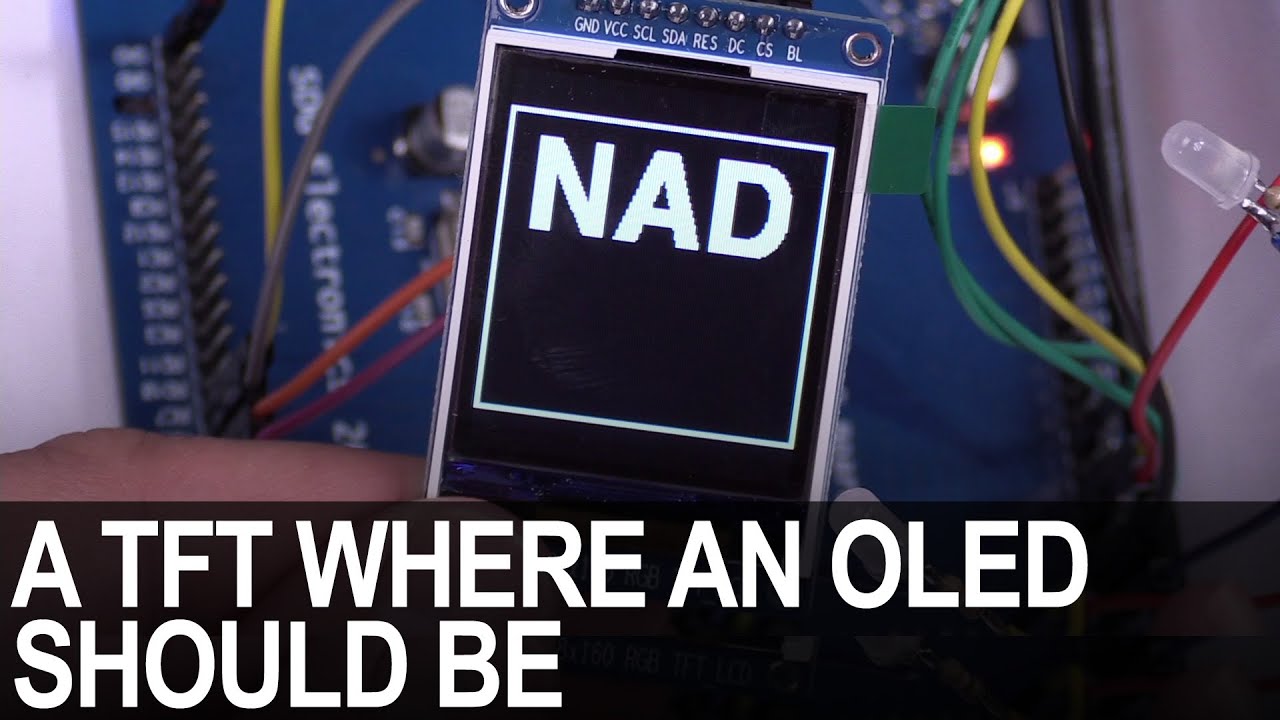
SDG #365 Reverse Engineering NAD D7050 OLED Replacement for IPS TFT
Decoding the NAD D7050's obsolete SSD1355 OLED protocol with a logic analyser, then driving an SSD1351 OLED and ST7735S IPS TFT as replacements.

SDG #360 Zero Crossing Detection and PCBWay 3D Prints
Testing PCBWay nylon PA12 and clear resin wall mounts for a Waveshare 4in ESP32-S3 touch dimmer, plus lower-power zero crossing detection options.