SDG #360 Zero Crossing Detection and PCBWay 3D Prints
This episode divides neatly into two useful halves: a practical comparison of outsourced 3D printing finishes, and a reconsideration of the zero crossing detection circuit in an AC dimmer design.
The printed part is a custom frame that allows a Waveshare 4 inch square ESP32-S3 touch panel to hang on a standard UK single gang back box, something the module has no native mounting provision for. Two versions arrived: a dyed black nylon PA12 print at roughly $8.50, and a spray varnished UTR 8100 clear resin print at around $18. The nylon has a fine matte texture and better impact and warp resistance, making it the sensible choice for a wall fixture. The clear version is visually striking and opens the possibility of backlighting the bezel, but costs about double and carries a real risk of UV yellowing, less of an issue indoors. The keyed hook design is the clever element: the panel snaps firmly onto the box screws with no wobble yet lifts off for servicing. One design compromise worth noting is that the module’s USB port faces outward, so firmware updates will have to go over the air rather than through a side cutout.
The electronics discussion is arguably the more valuable part. The original circuit used two 100K resistors feeding a dual LED optocoupler, which conducts through almost the whole mains cycle and wastes power as heat continuously. Two alternatives are weighed: a dedicated zero crossing detector IC at about £2.44, and a capacitor fed opto arrangement that only pulses the LED at the crossing point, dramatically cutting dissipation. An expansion header on the controller board means both approaches can be trialled on the same hardware.
More Electronics Projects

SDG #374 Smart Home Lighting: Adding Wireless DMX to My ESP32 Controller
Adding wireless DMX to an ESP32-S3 touch dimmer using ESP-NOW, with a 16-channel receiver, pairing, smoothing and scope-verified DMX output.
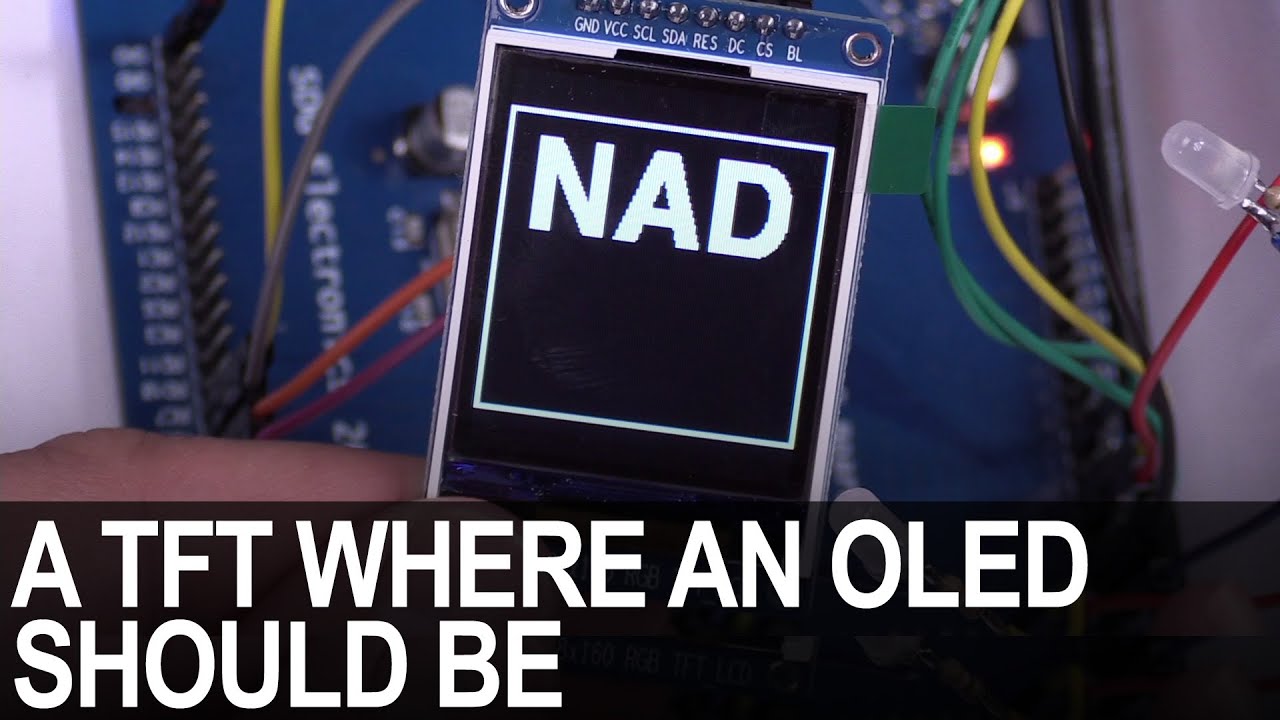
SDG #365 Reverse Engineering NAD D7050 OLED Replacement for IPS TFT
Decoding the NAD D7050's obsolete SSD1355 OLED protocol with a logic analyser, then driving an SSD1351 OLED and ST7735S IPS TFT as replacements.

SDG #357 RGB Meteor Shower LEDs Build using ESP32 and WLED
Custom meteor shower Christmas lights built from WS2812 LED PCBs, ESP32 controllers running WLED, acrylic tubes and 3D printed weatherproof caps.