SDG #206 Using an LTE external antenna/modem as broadband backup? Mikrotik SXT LTE6
Fixed broadband failures are frequent enough that a cellular fallback starts to look sensible, and the Mikrotik SXT LTE6 is one of the more interesting ways to provide it. Rather than sitting indoors behind a window and struggling for signal, this unit is a sealed outdoor enclosure combining an LTE Category 6 modem, integrated directional antennas and a full RouterOS device in one package, powered and connected over a single PoE Ethernet run.
The review covers what actually matters when deciding between this and a cheap indoor 4G router. Category 6 support means carrier aggregation across two bands, which in practice can roughly double achievable throughput compared with entry level Cat 4 hardware, assuming the local cell site supports it. Mounting outdoors and aiming the unit at the mast is the other major advantage, since a few extra dB of signal often does more for real world speed than any settings change.
A teardown shows how the electronics are arranged inside the weatherproof housing, including the modem module and antenna layout, which helps explain the directional radiation pattern and how the unit should be oriented. Setup is handled through the RouterOS web interface, which is far more capable than typical consumer 4G router firmware, though that flexibility comes with a steeper learning curve for anyone new to Mikrotik equipment.
Speed testing gives a realistic picture of what to expect on a UK network with a data SIM, and the closing assessment weighs cost, complexity and installation effort against simply buying a plug-in LTE dongle or hotspot. It is worth considering for anyone wanting a permanent, reliable secondary WAN rather than an emergency stopgap.
More Product Reviews

Festive Free Coupons and PCB Upgrades #electronicscreators #3dprinting #pcb
A quick look at December PCB fabrication offers: free pink, purple or matte black solder mask upgrades, half price 3D printing, and coupon codes.
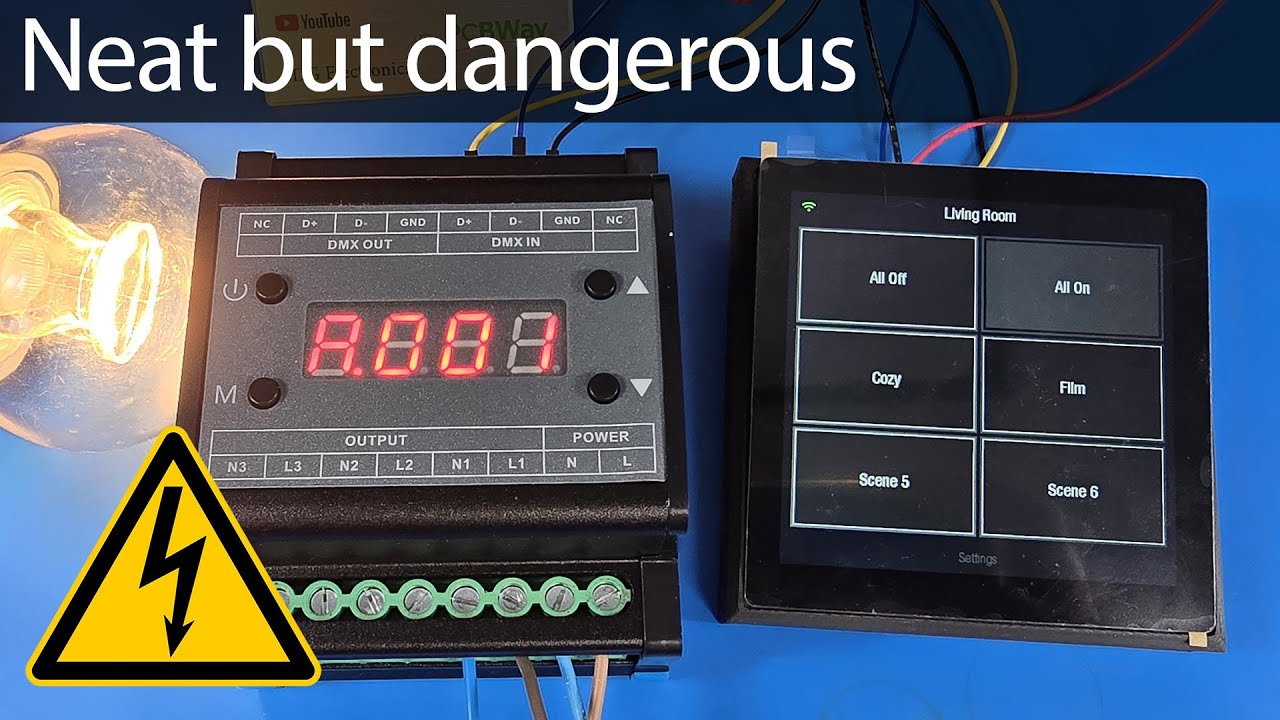
SDG #359 Dodgy AliExpress MOSFET-based multichannel AC Dimmer
Teardown and testing of a 3-channel DMX512 MOSFET AC trailing edge dimmer from AliExpress. Good circuit design, but the PCB isolation is a serious safety fail.
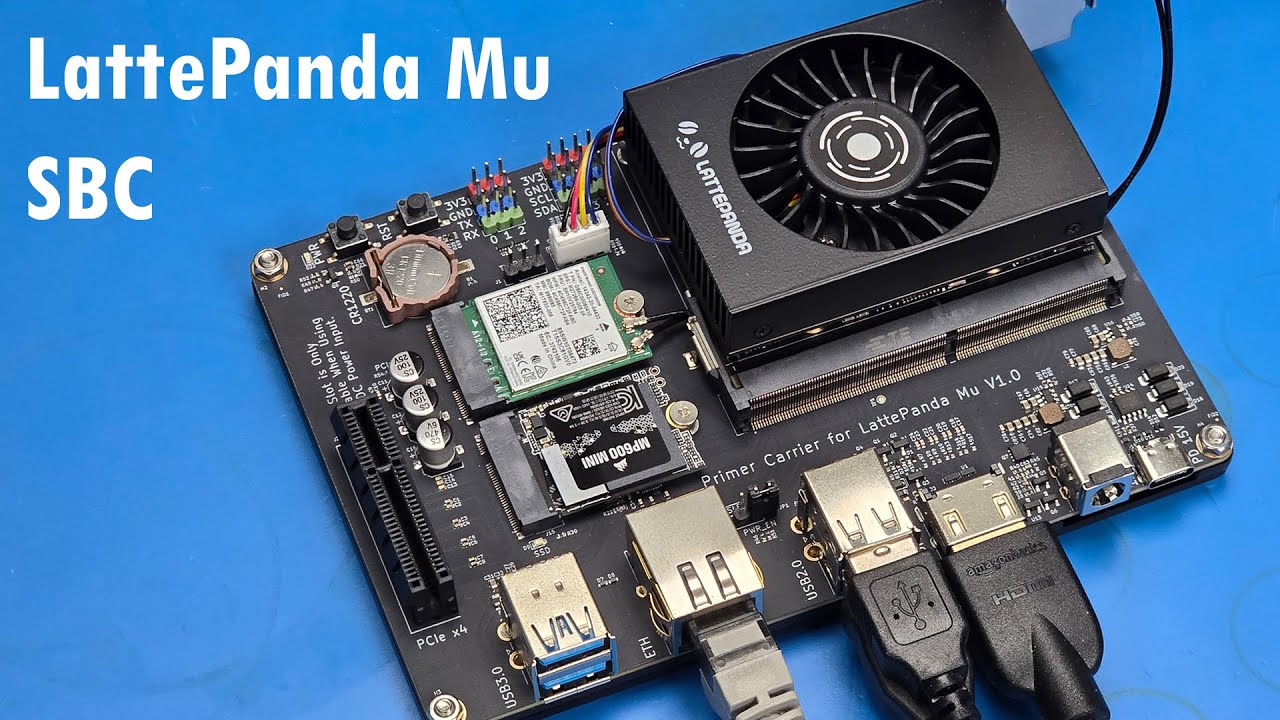
SDG #346 LattePanda Mu Small Board Computer
Hands-on with the LattePanda Mu compute module and carrier board: Intel N100, 8GB LPDDR5, PCIe x4, power draw tested and Raspberry Pi 5 compared.