SDG #274 Read datasheets properly! Level shifting and gate resistors.
This episode is a design log style walkthrough of a real circuit problem rather than a product test, and it makes a strong case for treating datasheets as design documents instead of pinout references. The starting point is a voltage mismatch between a controller’s logic output and the device it needs to drive, and the discussion works methodically through the practical options: dedicated level shifter ICs, discrete transistor stages, and the trade-offs each brings in part count, speed, direction of translation and idle state behaviour.
The most useful point is the reasoning behind the open collector low side switch. It looks like the crude option next to a purpose built translator IC, but when the load side already has a pull up to its own rail, a single transistor provides clean translation, tolerance of a higher voltage rail, and a predictable default state at almost no cost. That is exactly the kind of decision that only becomes obvious once the absolute maximum ratings, input threshold specifications and recommended operating conditions have been read rather than the front page block diagram skimmed.
The final schematic brings the pieces together, then attention turns to series gate resistors on MOSFET drives. These are frequently omitted by hobby designers, yet they tame ringing, limit peak gate current from the driver and reduce radiated noise, at the cost of slightly slower switching edges. For anyone building their own boards, the wider lesson is that most mysterious reliability problems trace back to specifications that were available all along. A short note on production progress closes the episode.
More Electronics Projects

SDG #374 Smart Home Lighting: Adding Wireless DMX to My ESP32 Controller
Adding wireless DMX to an ESP32-S3 touch dimmer using ESP-NOW, with a 16-channel receiver, pairing, smoothing and scope-verified DMX output.
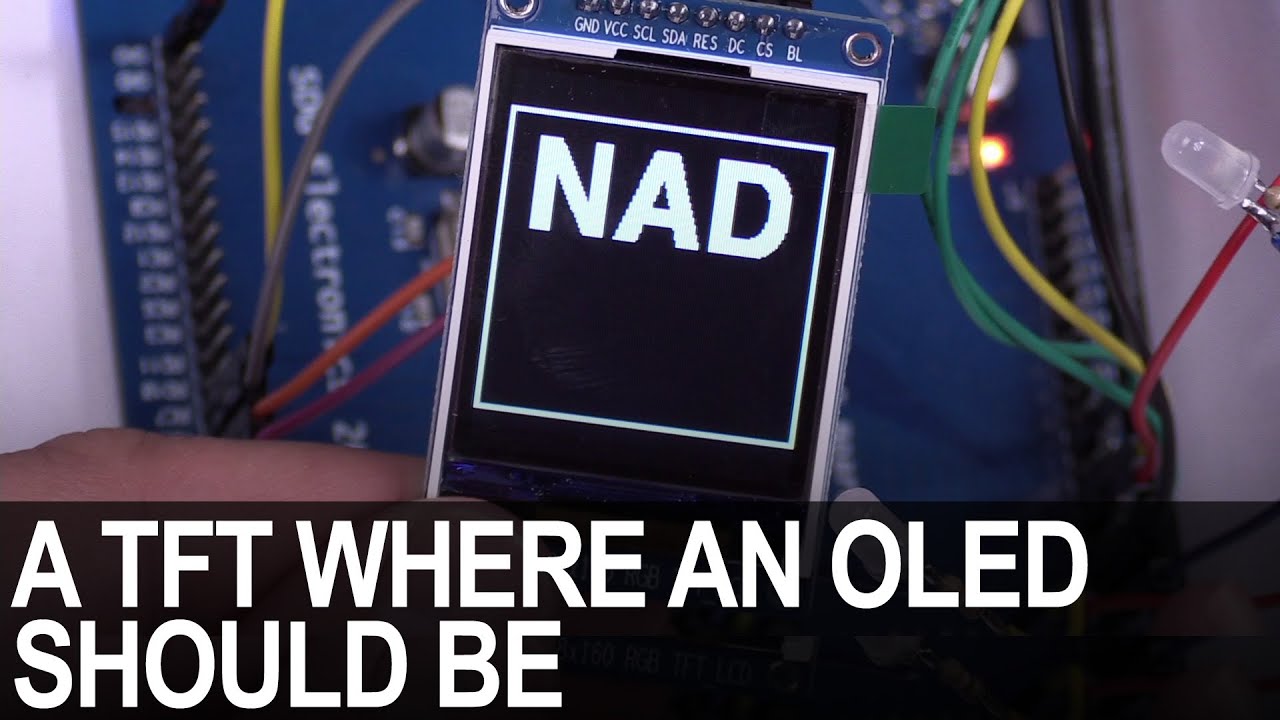
SDG #365 Reverse Engineering NAD D7050 OLED Replacement for IPS TFT
Decoding the NAD D7050's obsolete SSD1355 OLED protocol with a logic analyser, then driving an SSD1351 OLED and ST7735S IPS TFT as replacements.

SDG #360 Zero Crossing Detection and PCBWay 3D Prints
Testing PCBWay nylon PA12 and clear resin wall mounts for a Waveshare 4in ESP32-S3 touch dimmer, plus lower-power zero crossing detection options.