SDG #146 Driving an LED Matrix with the ESP32 and using OpenWeatherMap
This instalment of the Wharton display project moves from bare hardware to a working, network connected sign. With the custom PCB assembled, the focus shifts to getting an ESP32 to scan the LED matrix reliably and then to pulling real data from the internet so that the panel shows something more useful than a test pattern.
The matrix side of the work is the part most builders underestimate. Driving a multiplexed panel means shifting column data out fast enough that the eye sees a steady image, keeping row switching in step with that data, and doing so without starving the rest of the firmware of CPU time. Getting brightness even across the panel, avoiding ghosting between rows, and choosing a refresh rate that will not beat against a camera shutter are all practical problems that only appear once real LEDs are lit.
The OpenWeatherMap side demonstrates why the ESP32 is such a good fit for signage projects. Wi-Fi, TLS and enough RAM to parse a JSON response are all built in, so a forecast request becomes a modest firmware task rather than a bolt on module. Anyone copying the approach should note the usual pitfalls: API keys need to be kept out of the source tree, free tier call limits mean polling every few minutes rather than every few seconds, and the JSON parser needs to fail gracefully when the connection drops.
The result is a good template for any ESP32 display project. For a networked clock, weather board or status panel, the combination of a multiplexed matrix, ESP-IDF and a free weather API covers most of the requirement without any extra hardware.
More Electronics Projects

SDG #374 Smart Home Lighting: Adding Wireless DMX to My ESP32 Controller
Adding wireless DMX to an ESP32-S3 touch dimmer using ESP-NOW, with a 16-channel receiver, pairing, smoothing and scope-verified DMX output.
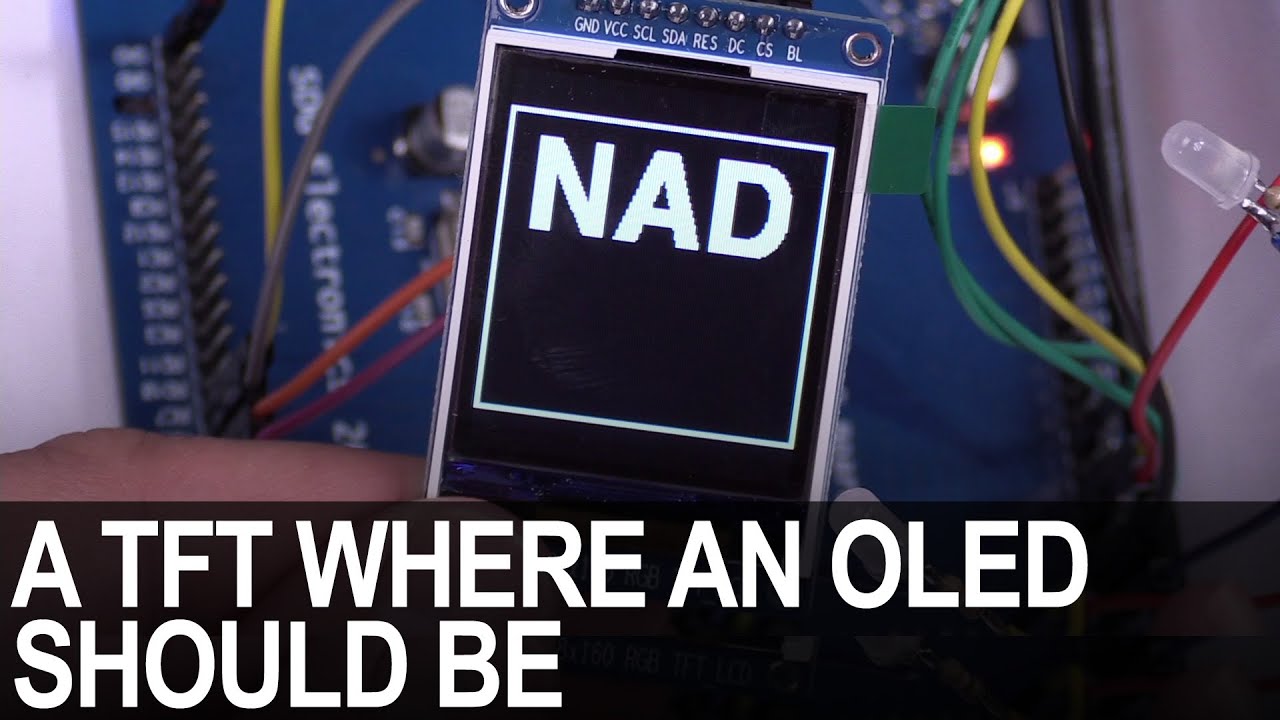
SDG #365 Reverse Engineering NAD D7050 OLED Replacement for IPS TFT
Decoding the NAD D7050's obsolete SSD1355 OLED protocol with a logic analyser, then driving an SSD1351 OLED and ST7735S IPS TFT as replacements.

SDG #360 Zero Crossing Detection and PCBWay 3D Prints
Testing PCBWay nylon PA12 and clear resin wall mounts for a Waveshare 4in ESP32-S3 touch dimmer, plus lower-power zero crossing detection options.