SDG #037 Anglink USB Charger Electrocution Risk?
After widespread warnings about cheap USB chargers with almost no isolation between mains and the low voltage output, this follow-up revisits the Anglink multi-port USB charger to ask whether it belongs in the same dangerous category. The concern with the notorious examples is not just poor build quality but a genuine electrocution risk: mains potential separated from the 5V rail by a fraction of a millimetre of PCB, an undersized or unrated transformer, and no functional Y capacitor or safety spacing.
The assessment focuses on the things that actually decide whether a charger is dangerous rather than on cosmetic details. That means examining the physical gap between the primary and secondary sides of the board, whether the transformer construction offers real reinforced insulation, how the fuse and input protection are implemented, and whether slots or routing on the PCB genuinely increase creepage distance rather than merely appearing to. Output behaviour, ripple and port current sharing matter for how well a phone charges, but they are secondary to the isolation question.
For buyers, the practical conclusion is that brand names on charging accessories reveal very little, and two units that look identical externally can differ enormously inside. Anyone relying on a multi-port charger for phones, tablets or anything that touches the skin while charging should know which specific design they have. The video sets out what to inspect and how the Anglink unit compares against the genuinely lethal designs circulating online, so that viewers can judge the risk rather than guess at it.
More Product Reviews

Festive Free Coupons and PCB Upgrades #electronicscreators #3dprinting #pcb
A quick look at December PCB fabrication offers: free pink, purple or matte black solder mask upgrades, half price 3D printing, and coupon codes.
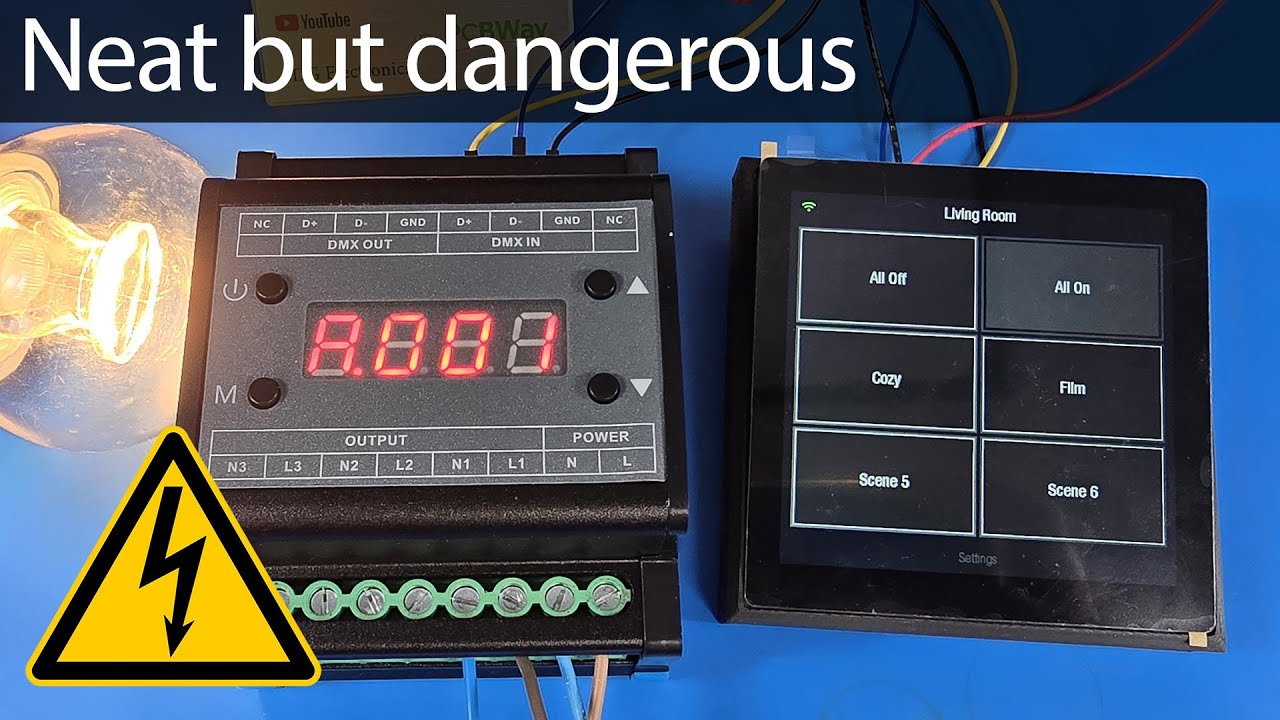
SDG #359 Dodgy AliExpress MOSFET-based multichannel AC Dimmer
Teardown and testing of a 3-channel DMX512 MOSFET AC trailing edge dimmer from AliExpress. Good circuit design, but the PCB isolation is a serious safety fail.
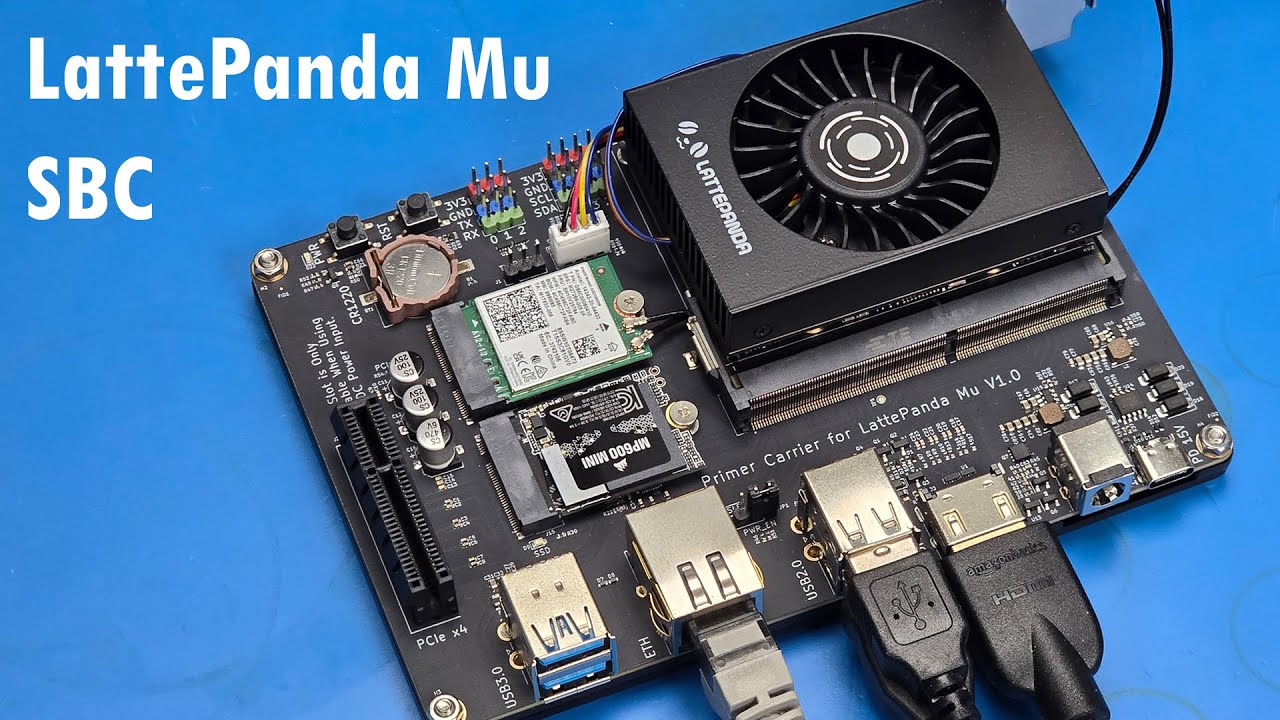
SDG #346 LattePanda Mu Small Board Computer
Hands-on with the LattePanda Mu compute module and carrier board: Intel N100, 8GB LPDDR5, PCIe x4, power draw tested and Raspberry Pi 5 compared.