SDG #083 Elegoo Super Starter Kit Contents - Uno R3
Beginner Arduino bundles stand or fall on the quality of what is actually in the box, so this walkthrough of the Elegoo Uno Project Super Starter Kit goes part by part rather than quoting the marketing bullet points. The centrepiece is an Uno R3 clone, and it is worth understanding how these boards differ from an official Arduino: USB interface chip choice, driver installation quirks and the practical impact on a first time user all matter more than the silkscreen branding.
The rest of the kit is the familiar spread of breadboard, jumper wires, resistors, LEDs, tactile switches, potentiometers and a small selection of active modules. Displays and sensors are where kits usually justify their price, and the mix here includes character LCD, seven segment and matrix style output plus common hobby sensors, a servo, a stepper with driver board and the usual buzzer and relay. Seeing them laid out makes it clear which items will genuinely be used across a run of tutorial projects and which will stay in the box after one experiment.
For a buyer, the question is value density. Buying these components individually, even from cheap overseas sellers, usually costs more than the bundle once shipping and the plastic storage case are accounted for, and having everything sorted in one place removes much early frustration. The trade-offs are those common to all starter kits: modest component tolerances, no test equipment, and documentation that is adequate but not a substitute for learning the underlying electronics. As a low risk entry point into microcontroller work, or as a source of spare parts for someone already experimenting, it compares well.
More Product Reviews

Festive Free Coupons and PCB Upgrades #electronicscreators #3dprinting #pcb
A quick look at December PCB fabrication offers: free pink, purple or matte black solder mask upgrades, half price 3D printing, and coupon codes.
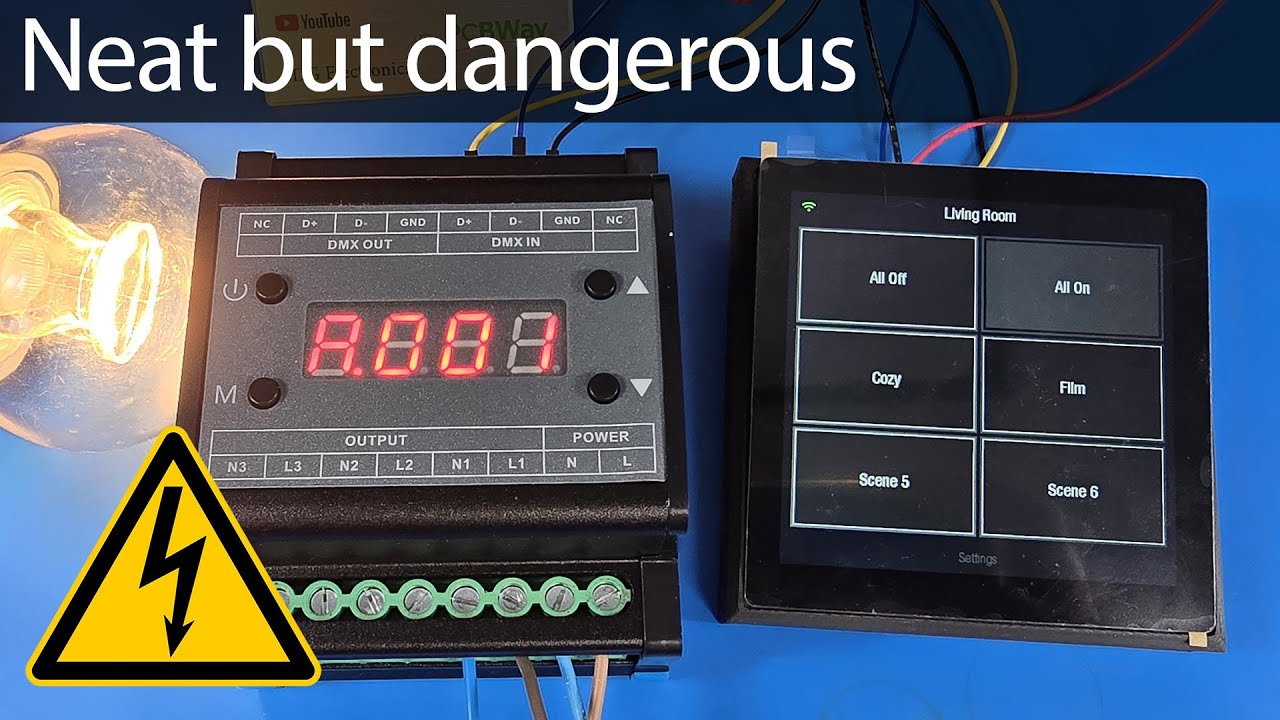
SDG #359 Dodgy AliExpress MOSFET-based multichannel AC Dimmer
Teardown and testing of a 3-channel DMX512 MOSFET AC trailing edge dimmer from AliExpress. Good circuit design, but the PCB isolation is a serious safety fail.
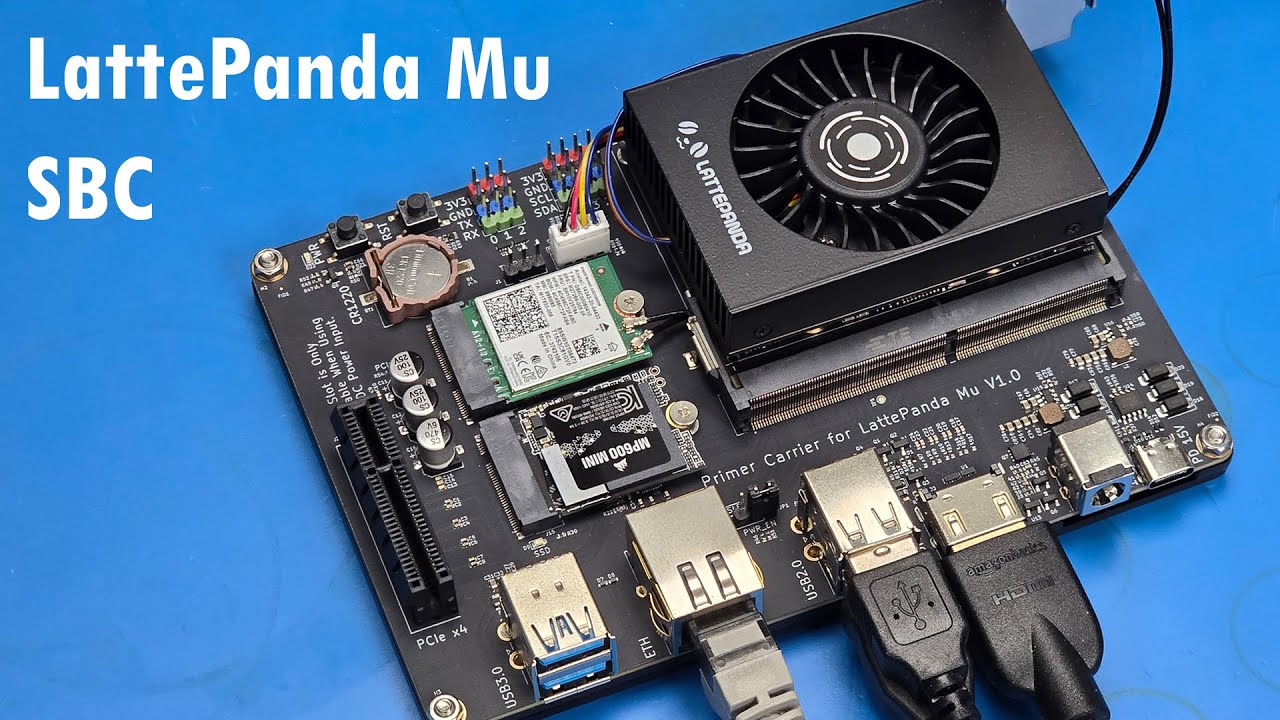
SDG #346 LattePanda Mu Small Board Computer
Hands-on with the LattePanda Mu compute module and carrier board: Intel N100, 8GB LPDDR5, PCIe x4, power draw tested and Raspberry Pi 5 compared.