SDG #254 Soldering Microscope Improvements using Geeetech Mizar S
This build combines a printer review with a practical bench upgrade. The Geeetech Mizar S is put to work producing functional parts for a stereo soldering microscope rather than the usual decorative test prints, which is a far more honest way to judge whether a budget FDM machine deserves bench space.
On the printer itself, the points that matter for a workshop user receive attention: bed levelling behaviour, first layer consistency, general fit and finish out of the box, and how much adjustment is needed before parts come off dimensionally usable. Functional mounts and adapters are unforgiving compared with models, since holes have to line up with existing hardware and clamps need to hold rigidly under the weight of an optical head and camera.
The microscope side focuses on a problem anyone doing SMD rework will recognise: specular glare from ring lighting reflecting off fresh solder joints and shiny component packages. The fix is cross polarisation, with a polarising film over the illumination and a second rotatable polariser on the objective side, both held by printed carriers. Rotating the analyser removes reflections progressively, which restores surface detail on solder fillets, silkscreen and part markings that would otherwise be washed out. Testing shows the trade-off as well, since polarisers cut a meaningful amount of light and more illumination or camera exposure is needed to compensate.
For buyers, the conclusion is twofold: an inexpensive printer justifies itself quickly for anyone designing their own bench tooling, and polarisation is one of the cheapest microscope improvements available.
More Product Reviews

Festive Free Coupons and PCB Upgrades #electronicscreators #3dprinting #pcb
A quick look at December PCB fabrication offers: free pink, purple or matte black solder mask upgrades, half price 3D printing, and coupon codes.
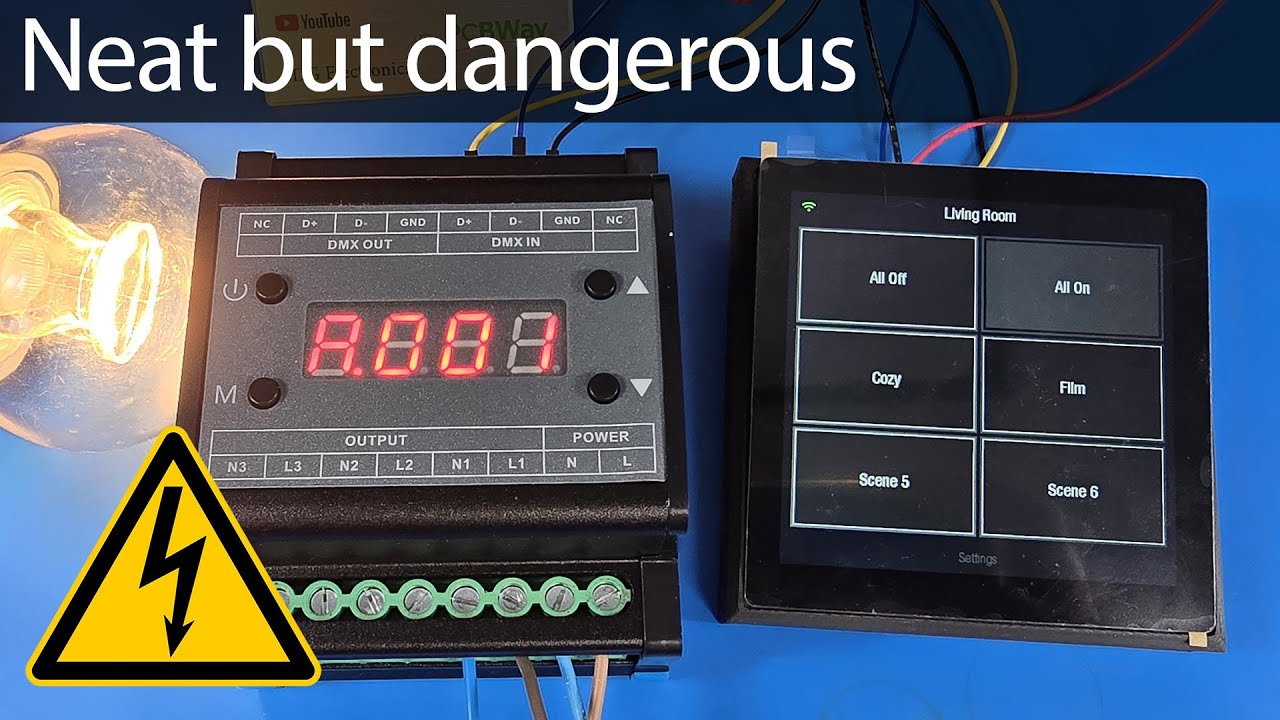
SDG #359 Dodgy AliExpress MOSFET-based multichannel AC Dimmer
Teardown and testing of a 3-channel DMX512 MOSFET AC trailing edge dimmer from AliExpress. Good circuit design, but the PCB isolation is a serious safety fail.
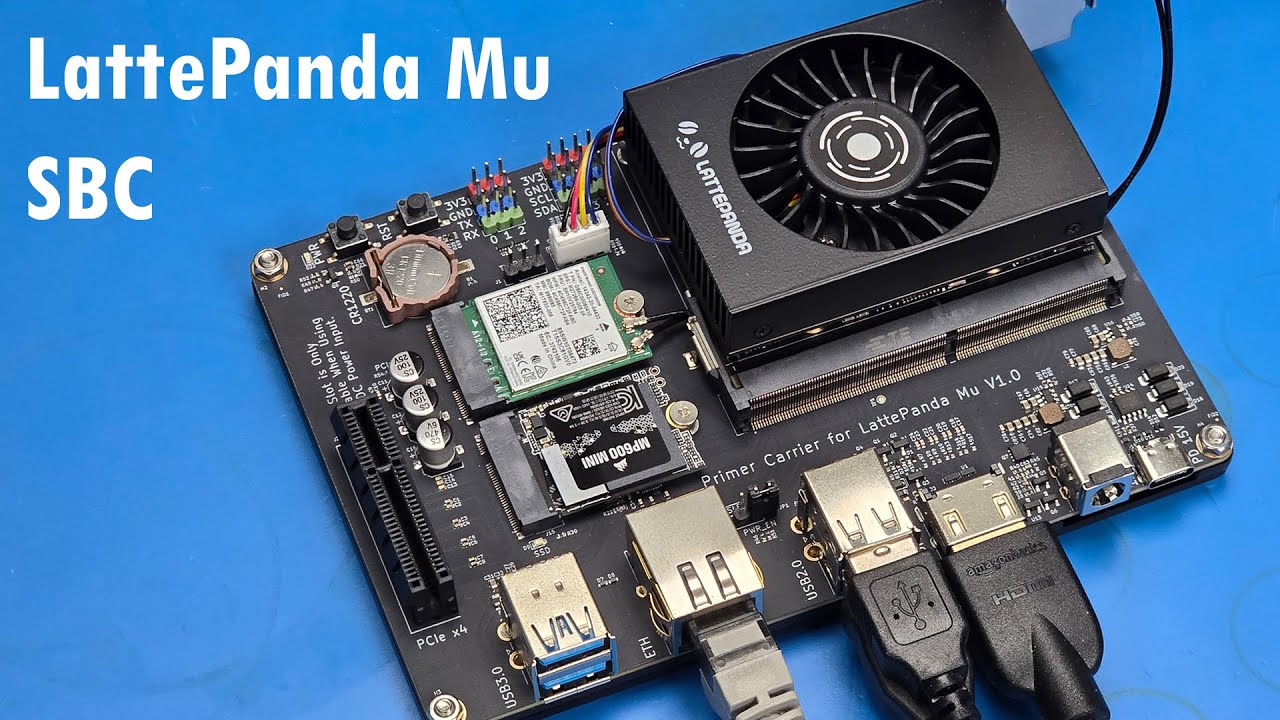
SDG #346 LattePanda Mu Small Board Computer
Hands-on with the LattePanda Mu compute module and carrier board: Intel N100, 8GB LPDDR5, PCIe x4, power draw tested and Raspberry Pi 5 compared.