SDG #144 What's Inside a Commercial Ozone Generator Sterilization Unit?
Ozone generators sold as room sterilisers have become an easy impulse purchase, so it is worth seeing how the commercial style units are actually built before trusting one in a home or workshop. This teardown strips a mains powered ozone generator down to its constituent parts: the enclosure and fan assembly that moves air across the discharge element, the ceramic ozone plate module itself, the high voltage supply that drives it, and the timer and control circuitry that decides how long the unit runs.
The engineering interest is in the high voltage section. Corona discharge across a ceramic plate needs several kilovolts, generated by a small inverter and step-up transformer, and the layout of that section reveals a great deal about the manufacturer’s attitude to insulation, creepage and clearance distances, and mains isolation. Cheap units frequently cut corners here, with minimal spacing between primary and secondary sides, unpotted transformers, no fusing, and enclosures that offer little protection if a plate arcs or the ceramic cracks. The plate modules themselves are replaceable and sold separately, which is useful because they degrade over time and lose output as the dielectric erodes.
For buyers, the practical conclusions concern use more than construction quality. Ozone is genuinely effective at oxidising odours and organic residues, but it is also a respiratory irritant, attacks rubber and elastomers, and should never be run in an occupied space. A unit with a reliable timer, a properly rated mains inlet and sensible high voltage layout is worth paying slightly more for. One of these should be treated as a tool for treating empty rooms or vehicle interiors, followed by thorough ventilation, rather than as a continuous air purifier.
More Product Reviews

Festive Free Coupons and PCB Upgrades #electronicscreators #3dprinting #pcb
A quick look at December PCB fabrication offers: free pink, purple or matte black solder mask upgrades, half price 3D printing, and coupon codes.
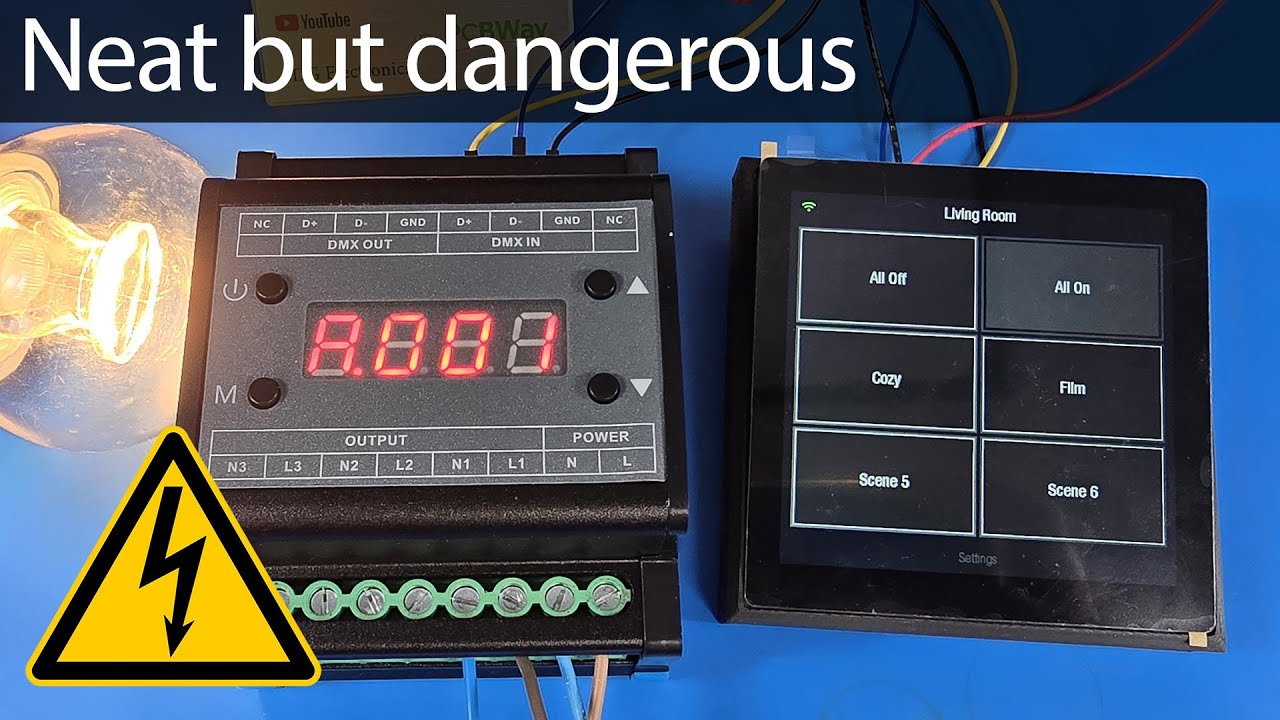
SDG #359 Dodgy AliExpress MOSFET-based multichannel AC Dimmer
Teardown and testing of a 3-channel DMX512 MOSFET AC trailing edge dimmer from AliExpress. Good circuit design, but the PCB isolation is a serious safety fail.
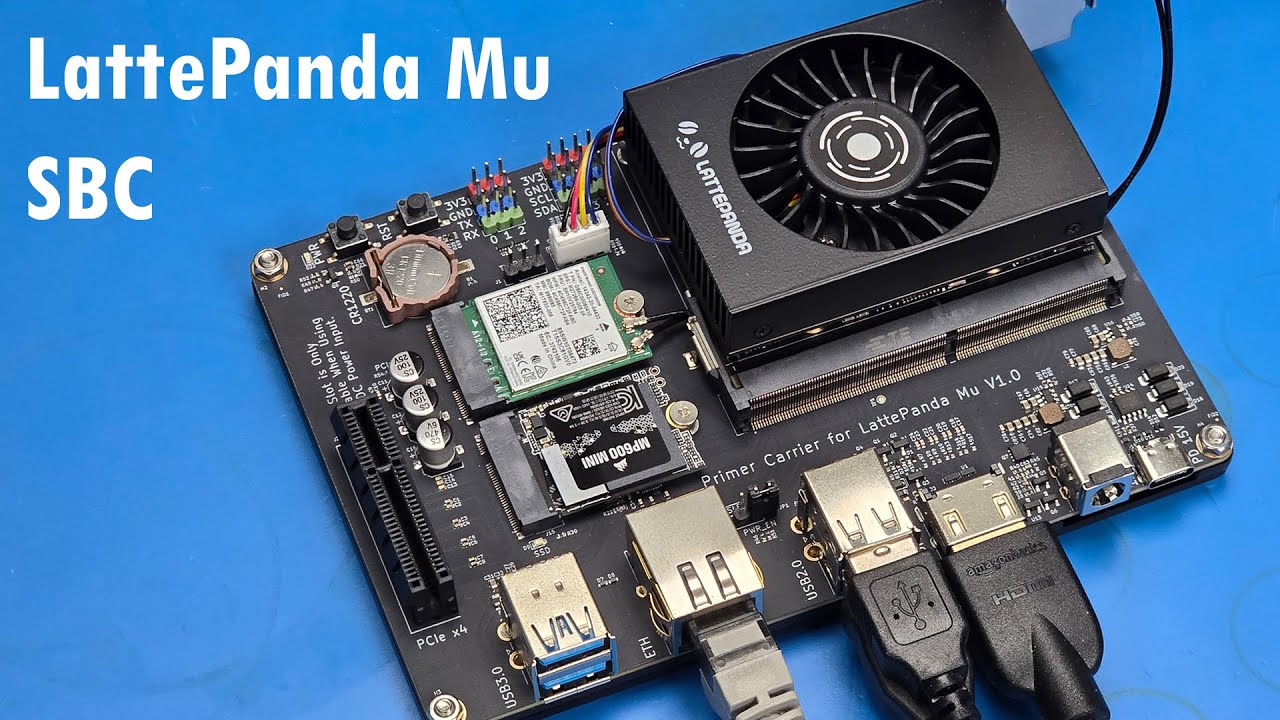
SDG #346 LattePanda Mu Small Board Computer
Hands-on with the LattePanda Mu compute module and carrier board: Intel N100, 8GB LPDDR5, PCIe x4, power draw tested and Raspberry Pi 5 compared.