SDG #188 JLCPCB or PCBWay's Black PCBs?
Black solder mask is the finish most people choose for a premium looking board, but it is also the least forgiving. It shows fingerprints, mask thickness variation, silkscreen registration errors and routing debris far more clearly than green. This comparison puts boards from the same Gerber files through two of the most widely used low cost prototype houses, JLCPCB and PCBWay, and examines what actually differs once the panels arrive.
The points worth attention for a buyer are mask uniformity over copper pours versus bare substrate, how glossy or matte each supplier’s black comes out, and whether white silkscreen stays crisp and opaque on small text rather than turning grey and patchy. Silkscreen contrast is the single biggest practical difference between vendors on black boards, because thin mask coverage over a dark base tends to swallow reference designators. Edge quality is the other giveaway: routed or V-scored edges on black material expose glass fibre as a pale line, so a clean cut matters more cosmetically here than on lighter colours.
Also relevant is what is given up. Black mask is visually harder to work with during rework, since it absorbs light under a microscope and hides trace outlines, which makes probing and modification slower than on green or blue.
The conclusion is that both suppliers produce boards that are electrically sound at this price point, and the decision comes down to cosmetic consistency, silkscreen legibility and how much the finish matters for a project that will be seen rather than enclosed.
More Product Reviews

Festive Free Coupons and PCB Upgrades #electronicscreators #3dprinting #pcb
A quick look at December PCB fabrication offers: free pink, purple or matte black solder mask upgrades, half price 3D printing, and coupon codes.
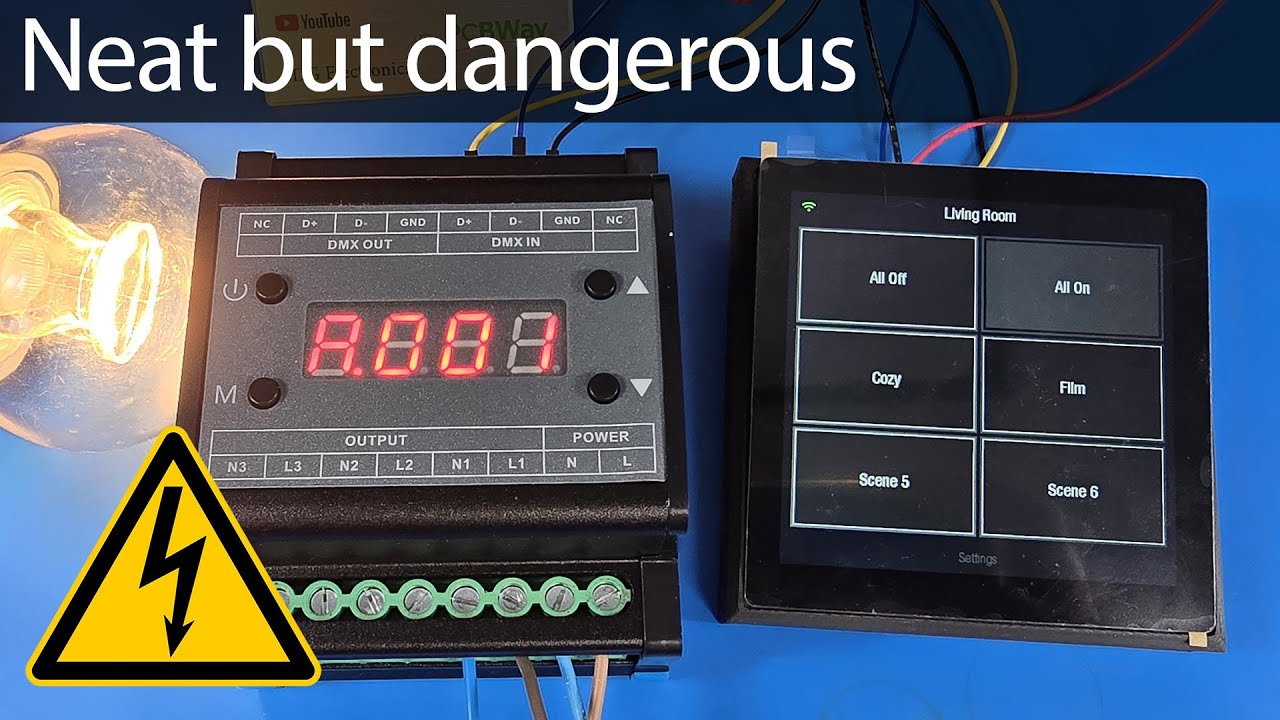
SDG #359 Dodgy AliExpress MOSFET-based multichannel AC Dimmer
Teardown and testing of a 3-channel DMX512 MOSFET AC trailing edge dimmer from AliExpress. Good circuit design, but the PCB isolation is a serious safety fail.
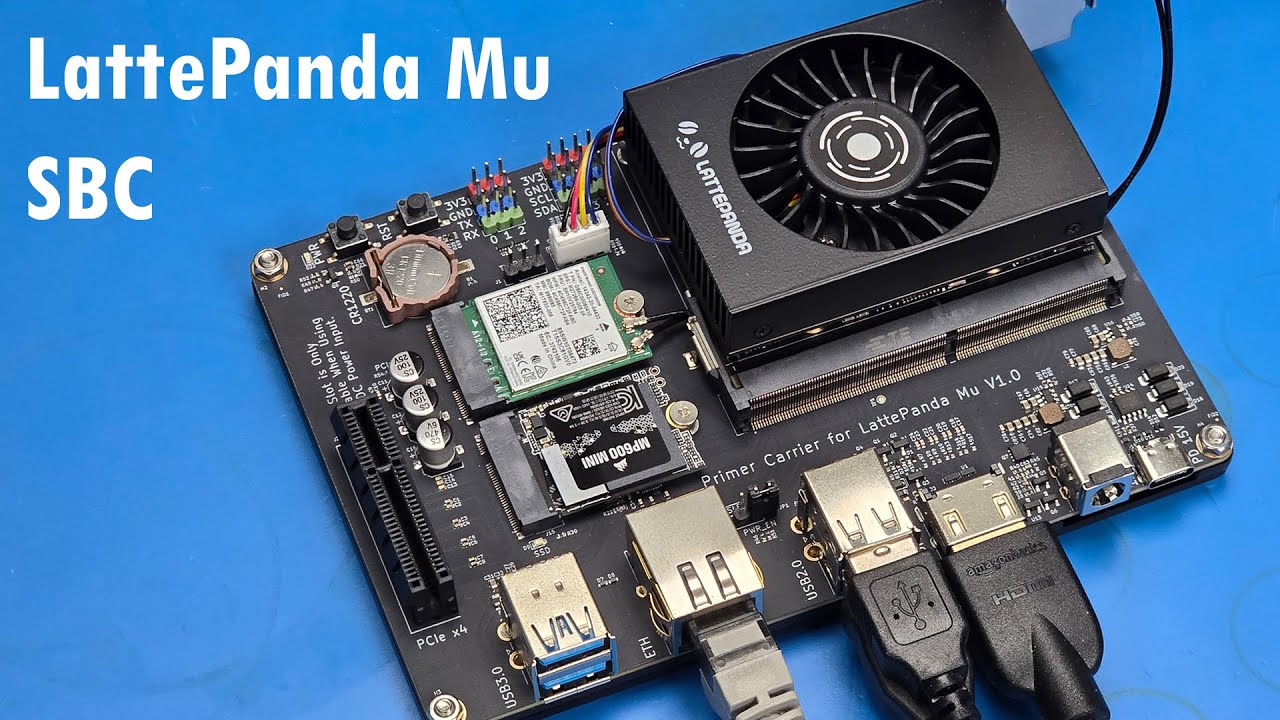
SDG #346 LattePanda Mu Small Board Computer
Hands-on with the LattePanda Mu compute module and carrier board: Intel N100, 8GB LPDDR5, PCIe x4, power draw tested and Raspberry Pi 5 compared.