SDG #220 T12 KSGER and QUICKO STM32 Station with Custom Firmware
The T12 cartridge ecosystem has become the default budget upgrade path for hobbyists, and the two compact STM32 based controllers examined here, the KSGER Mini and the QUICKO, represent the cheapest credible entry point. Both use a small OLED display, an encoder driven menu and an STM32 microcontroller, which matters far more than the enclosure: because the MCU is programmable, these units can be reflashed with DavidAlfa’s open source stm32_soldering_iron_controller firmware rather than remaining with whatever unfinished stock menu the factory shipped.
That firmware is the real story. It brings a much more coherent interface, proper multi point temperature calibration, configurable sleep and boost behaviour, PID tuning and support for multiple iron profiles, turning a cheap board into something closer to a mid range station in behaviour. The video walks through flashing it on the KSGER and then compares the resulting menu structure and settings on the QUICKO, so that buyers can see what changes and what remains limited by the hardware itself.
Practical testing covers the supplied T12 handpieces, which vary noticeably in build and cable quality between the two kits, followed by heat-up and recovery soldering tests on each station and a calibration pass to check displayed temperature against reality. A side by side comparison of genuine Hakko tips against the cheaper clone tips shows where the compromise lies, and a thermal mass test on a two pence coin gives a blunt indication of how much real power is available.
For anyone weighing these against a name brand station, the conclusion is that the hardware differences between KSGER and QUICKO are relatively minor; tip quality and firmware choice have the bigger influence on how the station actually feels to use.
More Soldering Iron Reviews

SDG #373 Ultimate Precision Soldering Setup – Metcal Micro-Fine Iron & Tweezers + PCBWay PCBs
Hands-on with Metcal's MX-H9 micro-fine soldering iron and MX-H10 tweezers: cartridge range, microscope ergonomics, 01005 rework and JBC comparisons.
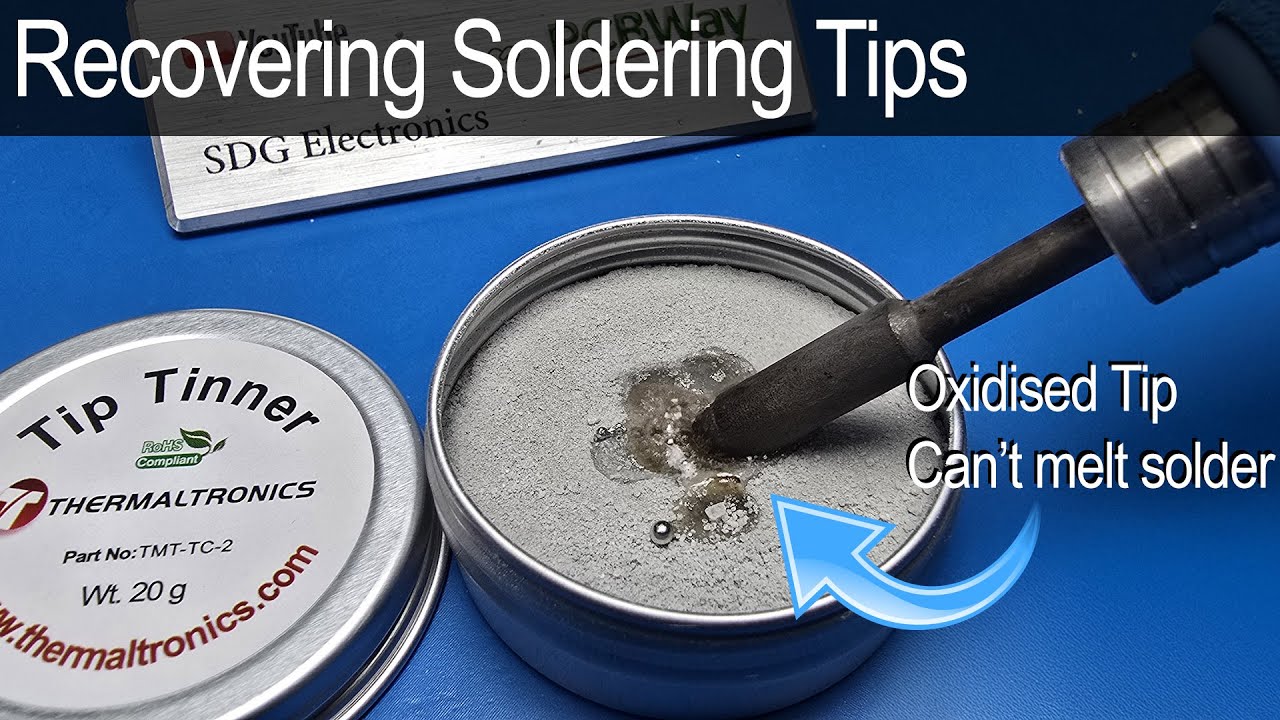
SDG #372 Solder Not Melting? Here’s Why (and How to Fix Your Iron Tip)
Damp sponge, brass wool, JBC Inox wool, rosin, tip tinner and sal ammoniac tested on badly oxidized soldering tips. See what actually works.

SDG #371 Geeboon HC24 Low Cost High Power Soldering System for JBC handpieces.
Testing the Geeboon HC24 SMPS soldering station with T470, T245 and T115 JBC handpieces: teardown, calibration, tip leakage, firmware fix and fan noise.