SDG #173 Testing the High Power Cree XHP50.2 LED PCBs
This episode moves the high output microscope ring light project forward by putting the custom Cree XHP50.2 LED PCBs through real bench testing rather than trusting datasheet figures. The XHP50.2 is a high output emitter that can accept serious current, so the interesting questions are not whether it lights up, but how the board handles the heat, how the measured output scales with drive current, and whether the small thermal pad on a standard FR4 board is sufficient before efficiency starts to fall away.
The practical conclusions mostly concern the gap between headline lumen ratings and usable light. Driving an emitter like this hard gives diminishing returns: current rises steeply while measured lux climbs far more slowly, and junction temperature rises fast enough that the LED derates itself. That matters for anyone designing their own lighting, because the sensible operating point is usually well below the absolute maximum, where efficiency, colour stability and LED lifetime are all much better behaved. Lux meter readings are also treated with appropriate caution, since inexpensive meters are calibrated to the eye’s response and are best used for relative comparisons between setups rather than absolute claims.
There is useful assembly detail as well. The XHP50.2 package has a bottom mounted thermal slug and small pads, so it is a hot air and solder paste job, not something to attempt with an iron alone. Board layout choices, copper area for heat spreading, and driving multiple emitters from a common supply all feed into the final ring light design. Anyone building high power LED illumination for a microscope, camera rig or workbench will find the measured results more informative than typical marketing specifications.
More Electronics Projects

SDG #374 Smart Home Lighting: Adding Wireless DMX to My ESP32 Controller
Adding wireless DMX to an ESP32-S3 touch dimmer using ESP-NOW, with a 16-channel receiver, pairing, smoothing and scope-verified DMX output.
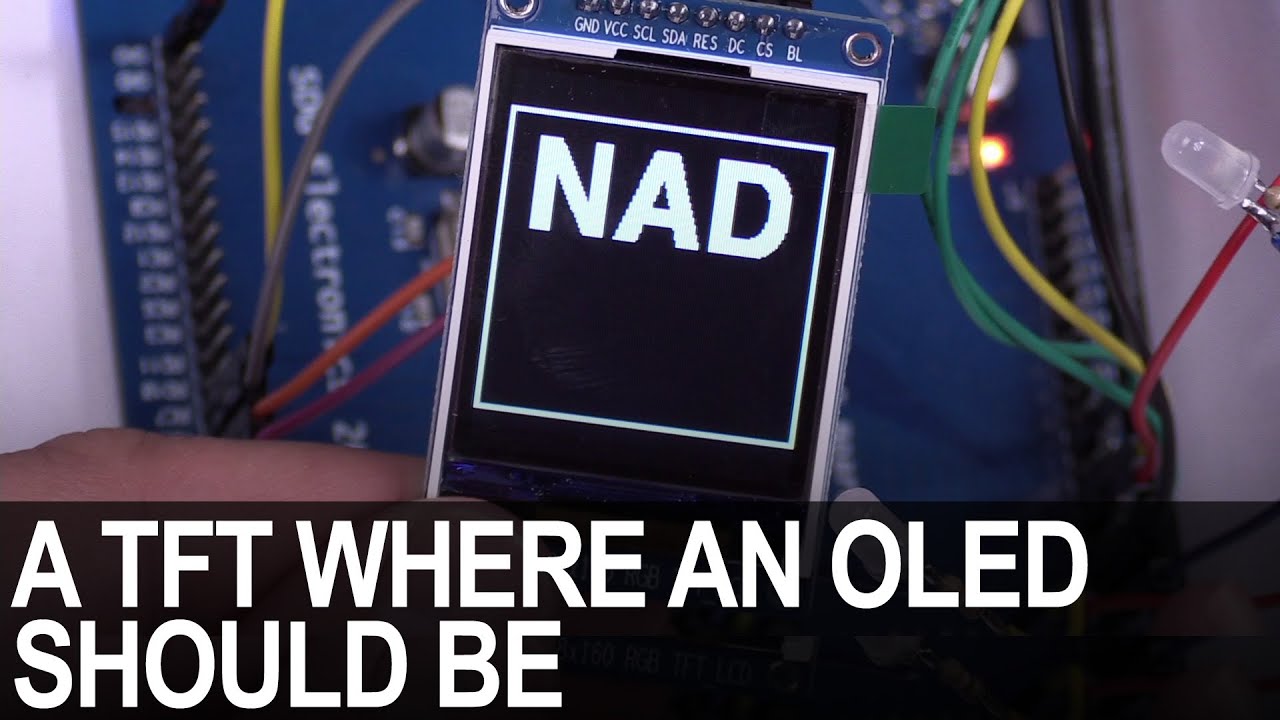
SDG #365 Reverse Engineering NAD D7050 OLED Replacement for IPS TFT
Decoding the NAD D7050's obsolete SSD1355 OLED protocol with a logic analyser, then driving an SSD1351 OLED and ST7735S IPS TFT as replacements.

SDG #360 Zero Crossing Detection and PCBWay 3D Prints
Testing PCBWay nylon PA12 and clear resin wall mounts for a Waveshare 4in ESP32-S3 touch dimmer, plus lower-power zero crossing detection options.