SDG #064 Soldering Tutorial PCBs and Components from JLCPCB
This episode steps away from tool reviews and focuses on technique, using inexpensive prototype PCBs and a mix of through hole and surface mount components as a practice platform. The idea is simple but effective: rather than learning to solder on a project that matters, order a cheap board, populate it with cheap parts, and make mistakes where they cost nothing.
The walkthrough covers the fundamentals that most beginners get wrong. Tip selection matters more than iron price, and a well tinned tip with adequate thermal mass beats a fine conical point for most work. Flux is treated as a consumable to be used generously rather than sparingly, and the difference between no-clean and rosin flux residue is worth understanding before committing to a bottle. Temperature choice, dwell time and how solder wets a pad are demonstrated rather than merely described, which is where video beats a written guide.
Surface mount work receives particular attention, including tacking one end of a chip resistor or capacitor before finishing the other side, drag soldering fine pitch IC legs, and clearing the bridges that inevitably result. Common failure modes such as tombstoned passives, cold joints and lifted pads are shown alongside the fixes, using solder wick and desoldering braid rather than force.
For anyone building a bench from scratch, the conclusion is that a modest iron plus good flux, decent solder and a practice board will go further than an expensive station used badly. Ordering blank boards for practice is a genuinely underused approach to self teaching, and the SMD sections are the most transferable part of the tutorial for anyone moving from kits to their own designs.
More Electronics Projects

SDG #374 Smart Home Lighting: Adding Wireless DMX to My ESP32 Controller
Adding wireless DMX to an ESP32-S3 touch dimmer using ESP-NOW, with a 16-channel receiver, pairing, smoothing and scope-verified DMX output.
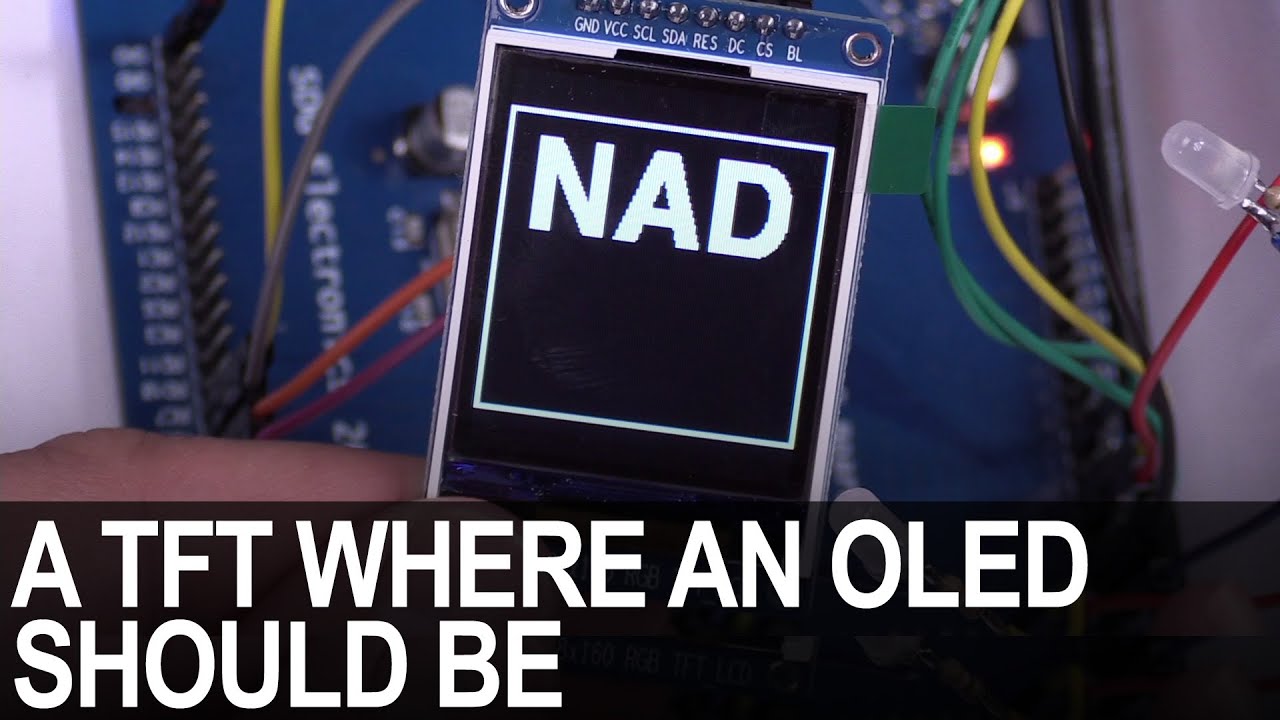
SDG #365 Reverse Engineering NAD D7050 OLED Replacement for IPS TFT
Decoding the NAD D7050's obsolete SSD1355 OLED protocol with a logic analyser, then driving an SSD1351 OLED and ST7735S IPS TFT as replacements.

SDG #360 Zero Crossing Detection and PCBWay 3D Prints
Testing PCBWay nylon PA12 and clear resin wall mounts for a Waveshare 4in ESP32-S3 touch dimmer, plus lower-power zero crossing detection options.