SDG #079 What's the best solder for electronics? Expensive or cheap?
Solder wire is the one consumable every hobbyist buys repeatedly, and the price spread between an unbranded reel and one from a company such as Multicore or Kester is large enough to question. This comparison puts cheap online marketplace wire, including Mechanic branded leaded solder and Pro’sKit wire, against established names such as Multicore 502 and 362 and Kester, to establish where the extra money actually goes.
The important variable is not really the alloy. Most of these wires are conventional 60/40 or 63/37 tin-lead, and once molten the joints they form are broadly similar. What separates them is the flux core: how much of it there is, how consistently it is distributed along the wire, how aggressively it cleans oxidised pads and legs, how much spitting and spatter it produces, and how sticky or corrosive the residue is once the joint has cooled. Cheap wire often has flux voids or an inconsistent flux percentage, which appears as joints that need reflowing, poor wetting on older through hole components, and residue that is harder to remove with isopropyl alcohol.
Microscope inspection of the finished joints makes the differences easier to judge than inspection at the bench, and the residue left behind is examined after cleaning as well. For most general repair and prototyping work, mid priced wire in a diameter around 0.5 to 0.7 mm is the sensible purchase. The very cheapest reels are a false economy once a bad joint costs diagnostic time, while premium branded wire mainly buys consistency and predictable flux behaviour rather than a dramatically better joint.
More Product Reviews

Festive Free Coupons and PCB Upgrades #electronicscreators #3dprinting #pcb
A quick look at December PCB fabrication offers: free pink, purple or matte black solder mask upgrades, half price 3D printing, and coupon codes.
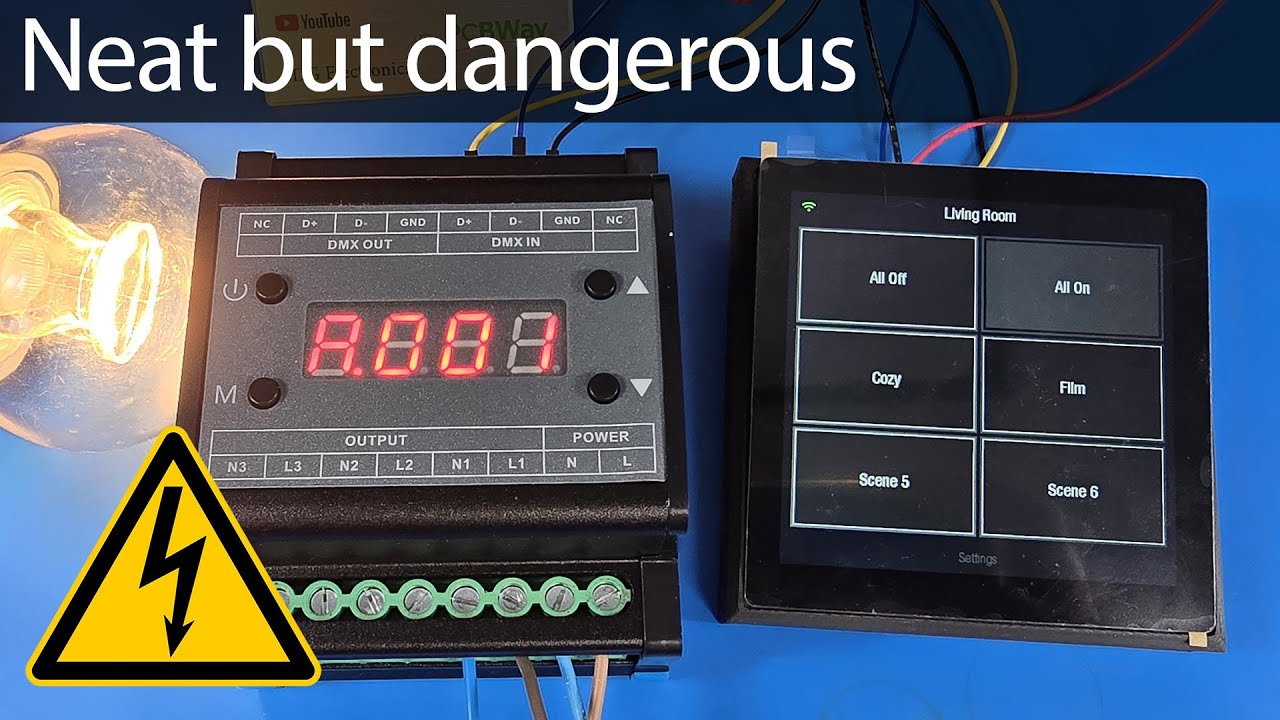
SDG #359 Dodgy AliExpress MOSFET-based multichannel AC Dimmer
Teardown and testing of a 3-channel DMX512 MOSFET AC trailing edge dimmer from AliExpress. Good circuit design, but the PCB isolation is a serious safety fail.
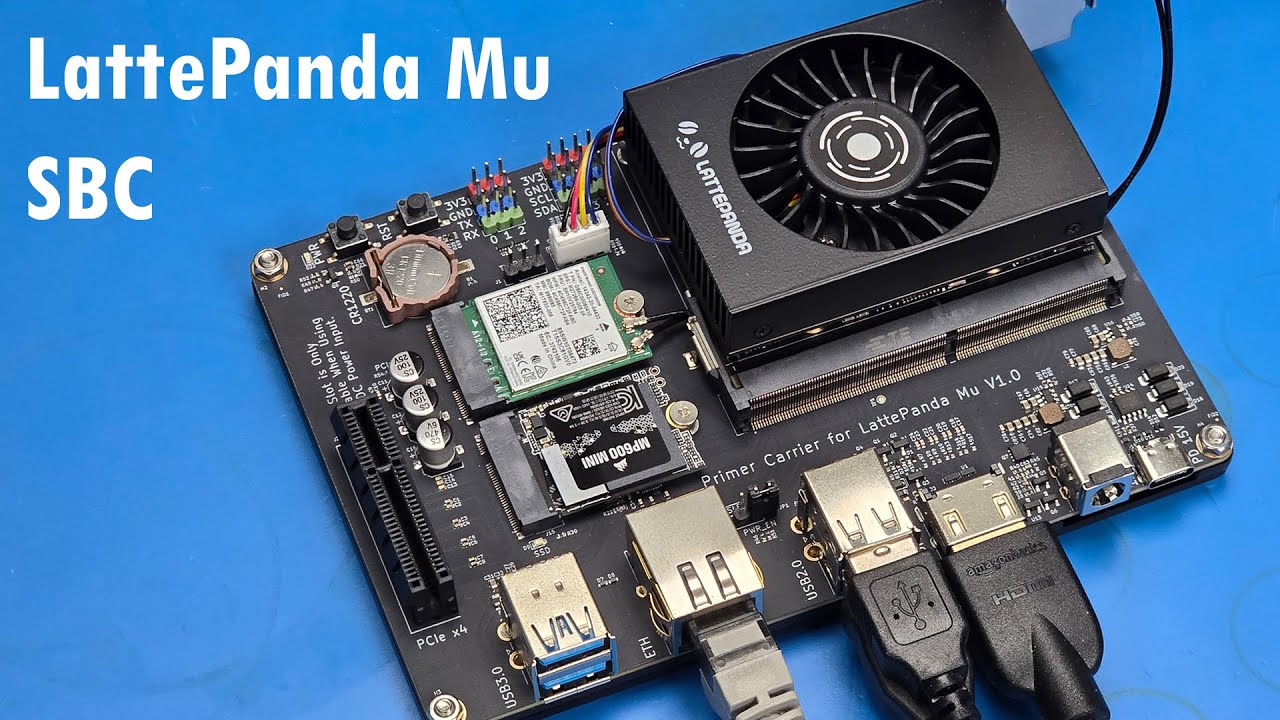
SDG #346 LattePanda Mu Small Board Computer
Hands-on with the LattePanda Mu compute module and carrier board: Intel N100, 8GB LPDDR5, PCIe x4, power draw tested and Raspberry Pi 5 compared.