SDG #080 Sony IMX290 Autofocus Microscope Camera First Impressions
Microscope cameras aimed at electronics work usually fall into two groups: cheap high megapixel sensors that look sharp on paper but struggle in real lighting, and smaller sensors with genuinely good pixels. This first impressions test puts a Sony IMX290 based autofocus camera on an AmScope trinocular microscope to see which group it belongs to, and whether autofocus is actually useful at bench magnifications.
The IMX290 is a 1/2.8 inch back illuminated sensor best known from security cameras, where its strength is low light sensitivity and clean output rather than raw resolution. On a microscope trinocular port that trade-off is interesting: for inspecting solder joints, reading part markings and following rework under hot air, low noise and a usable frame rate matter far more than a headline megapixel figure. The comparison points are the common 21MP HDMI microscope cameras and Hayear style units that many benches already use.
The autofocus element is the unknown. On a stereo microscope the optical path and working distance are fixed by the objective, so a camera that hunts for focus can either save time when changing magnification or become a distraction that never quite settles on the right plane. Anyone considering one should weigh how much of their work is at a single fixed magnification, since a manual focus C mount setup can be steadier and cheaper.
The episode is relevant to anyone choosing a camera for a trinocular head who wants a realistic view of image quality, latency and mounting practicality before committing, rather than relying on marketing specifications.
More Product Reviews

Festive Free Coupons and PCB Upgrades #electronicscreators #3dprinting #pcb
A quick look at December PCB fabrication offers: free pink, purple or matte black solder mask upgrades, half price 3D printing, and coupon codes.
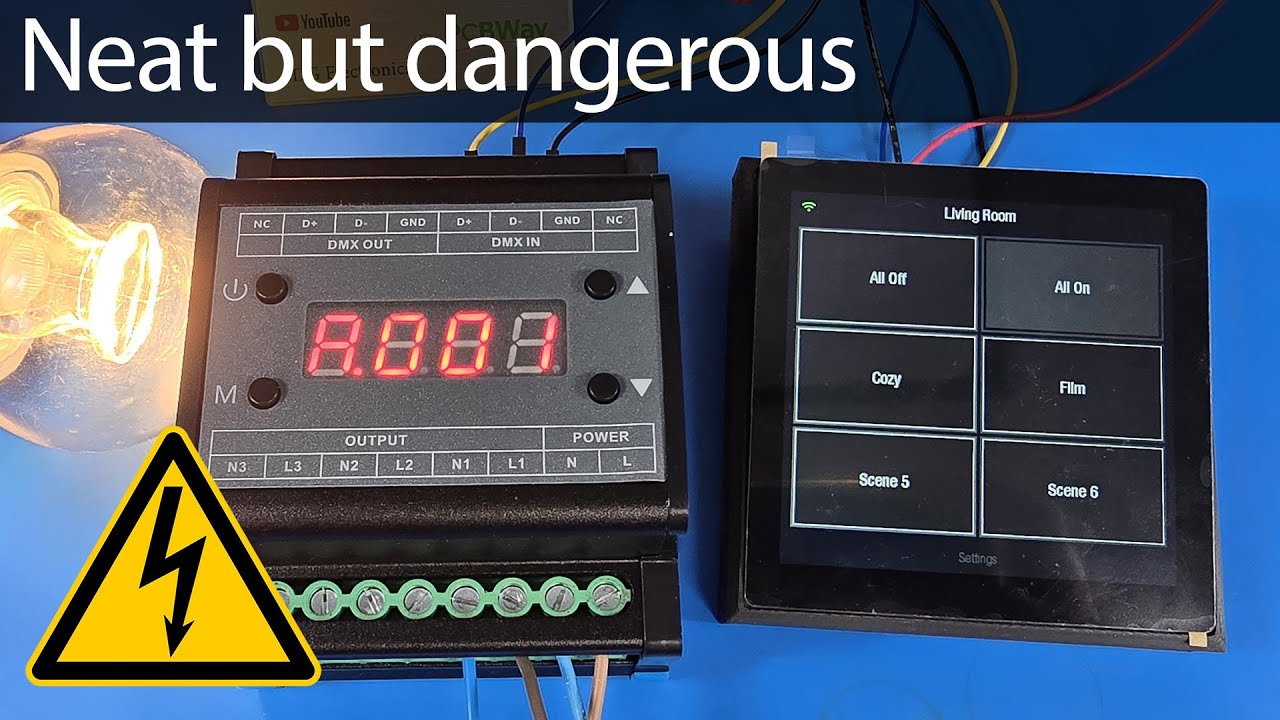
SDG #359 Dodgy AliExpress MOSFET-based multichannel AC Dimmer
Teardown and testing of a 3-channel DMX512 MOSFET AC trailing edge dimmer from AliExpress. Good circuit design, but the PCB isolation is a serious safety fail.
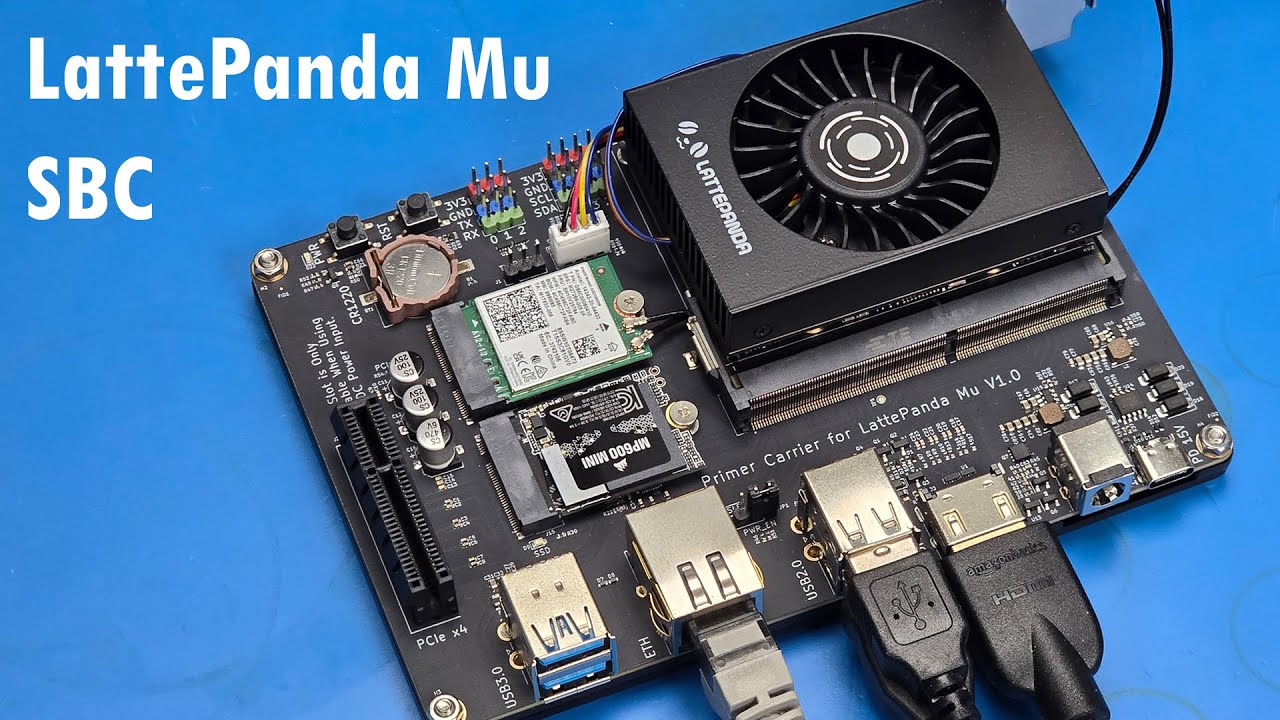
SDG #346 LattePanda Mu Small Board Computer
Hands-on with the LattePanda Mu compute module and carrier board: Intel N100, 8GB LPDDR5, PCIe x4, power draw tested and Raspberry Pi 5 compared.