SDG #086 What's the best flux for soldering? A comparison with PCBs from JLCPCB
Flux is the cheapest part of a soldering setup and the one that makes the biggest difference to results, yet most of what is sold online is unbranded gel in a syringe with no datasheet behind it. This comparison puts sixteen fluxes through the same set of tasks on identical test boards so that the differences come down to the chemistry rather than the technique.
The line-up spans the full price range: budget syringe gels including Mechanic MCN-UV80, Best BST-223-UV80, Relife RL-421-OR and RL-422-IM, Topnik Zel Flux and KSS S800; European branded products such as Weller F-SW21, AG Termopasty TK83 and LP-1, CIF F42202 and Pro’sKit 8S005; and the reference grade options MG Chemicals no-clean gel, Kester no-clean and Amtech NC-559-V2-TF. A counterfeit Amtech NC-559-ASM is included as well, which is significant because relabelled fake Amtech is extremely common and does not behave like the genuine product.
What matters when judging flux is not just whether solder flows. Tack and viscosity determine whether it will hold a fine pitch part in place, activity determines how well it wets oxidised pads and old joints, spatter and smoke affect how pleasant it is to use under a microscope, and residue behaviour decides whether it can be left on the board or must be cleaned off. Several of the cheap gels perform surprisingly well for drag soldering and rework, while others leave sticky, hard to remove residue that is a poor choice for anything intended to be kept. The practical conclusion for buyers is that a large outlay is unnecessary, but it is necessary to know which specific products are worth the money.
More Product Reviews

Festive Free Coupons and PCB Upgrades #electronicscreators #3dprinting #pcb
A quick look at December PCB fabrication offers: free pink, purple or matte black solder mask upgrades, half price 3D printing, and coupon codes.
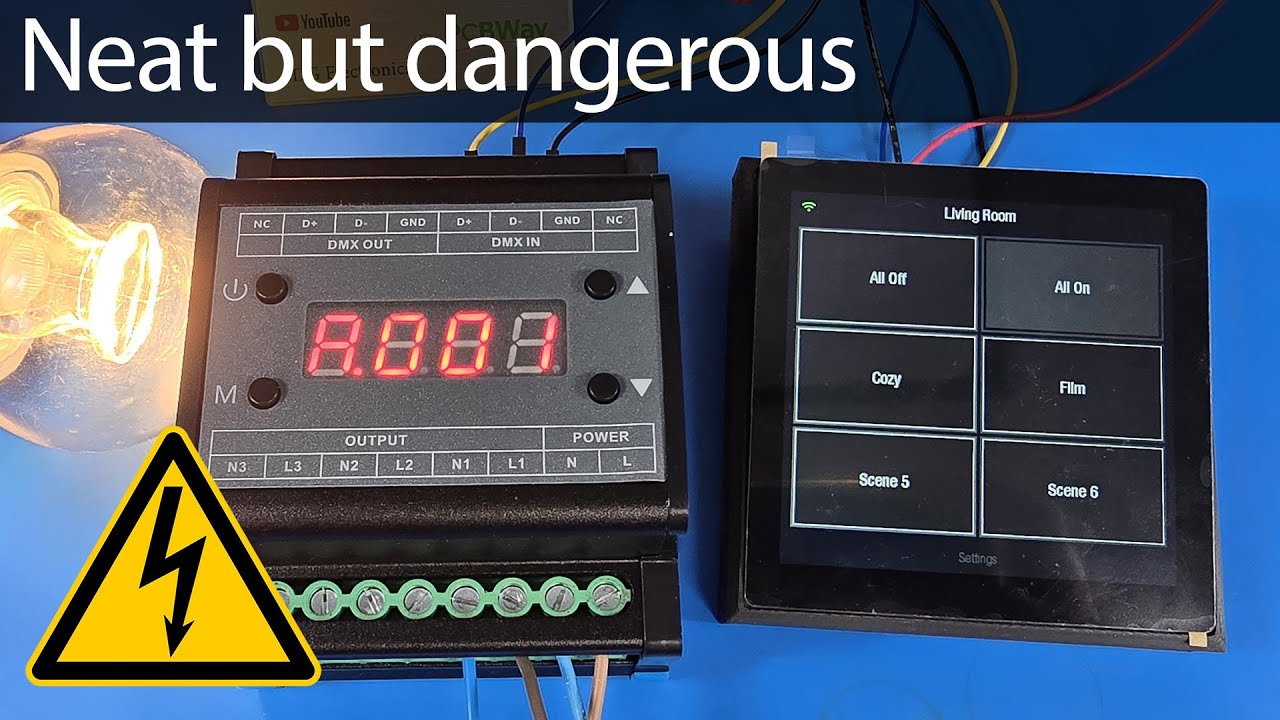
SDG #359 Dodgy AliExpress MOSFET-based multichannel AC Dimmer
Teardown and testing of a 3-channel DMX512 MOSFET AC trailing edge dimmer from AliExpress. Good circuit design, but the PCB isolation is a serious safety fail.
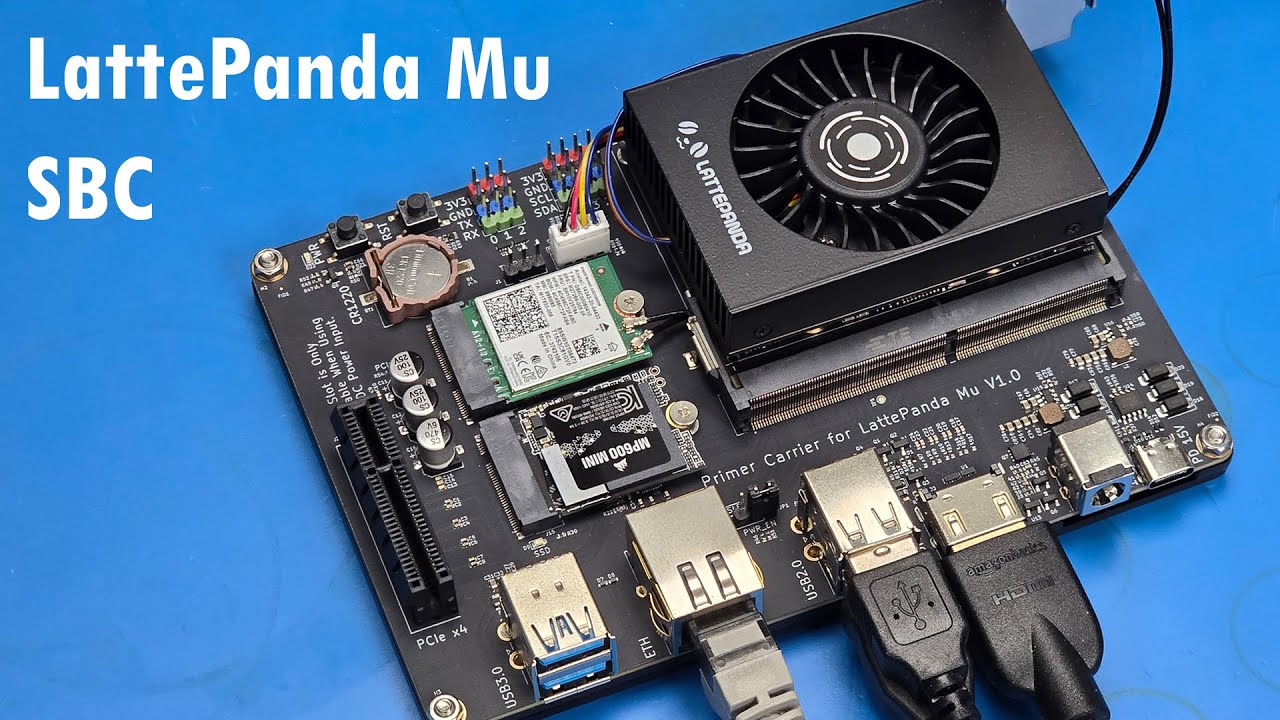
SDG #346 LattePanda Mu Small Board Computer
Hands-on with the LattePanda Mu compute module and carrier board: Intel N100, 8GB LPDDR5, PCIe x4, power draw tested and Raspberry Pi 5 compared.