SDG #087 A neat RGB LED Controller
RGB LED strip controllers are an accessory that is bundled with cheap 5050 strip kits and then quietly discarded, so it is worth knowing when a standalone unit is actually a better purchase. This episode examines a compact touch panel RGB controller aimed at 12V analogue (non-addressable) LED strip, covering how it feels to use, how well it drives the strip, and what is behind the glass.
The interesting part of any controller like this is not the marketing colour wheel but the electronics: how many channels it switches, what kind of output devices are used, whether the PWM frequency is high enough to avoid visible flicker or camera banding, and how much current the board will realistically handle before the traces and connectors become the limiting factor. Touch sensing adds another variable, since capacitive front panels can be either pleasantly responsive or frustratingly imprecise depending on the firmware and the electrode layout.
For anyone building under cabinet lighting, a display case, workshop task lighting or a mood lighting project, the practical points concern integration: the input voltage range, common anode versus common cathode wiring, connector type, whether brightness and colour are remembered after a power cycle, and how tidily the unit can be mounted. Units at this price are usually good enough for decorative work, and this one is judged on that basis rather than against expensive smart lighting systems. For anyone choosing between reusing a bundled IR remote controller and buying a neater dedicated panel, the comparison should make the decision straightforward.
More Product Reviews

Festive Free Coupons and PCB Upgrades #electronicscreators #3dprinting #pcb
A quick look at December PCB fabrication offers: free pink, purple or matte black solder mask upgrades, half price 3D printing, and coupon codes.
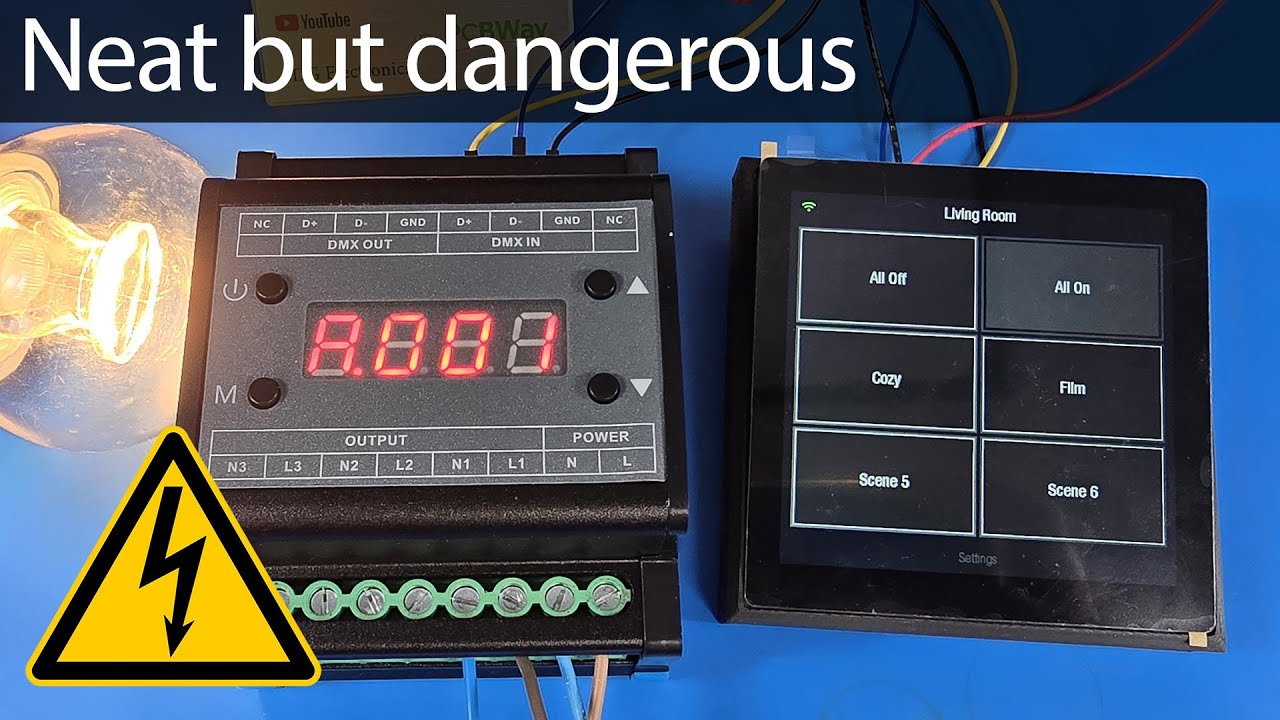
SDG #359 Dodgy AliExpress MOSFET-based multichannel AC Dimmer
Teardown and testing of a 3-channel DMX512 MOSFET AC trailing edge dimmer from AliExpress. Good circuit design, but the PCB isolation is a serious safety fail.
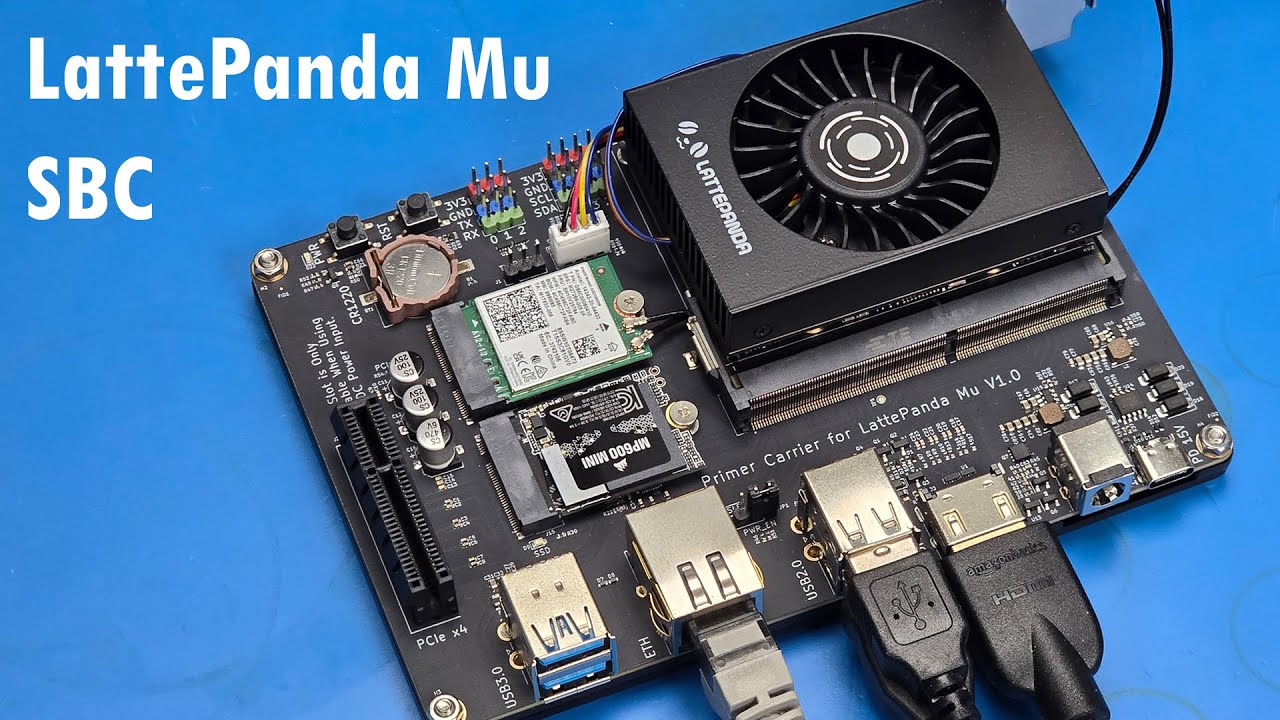
SDG #346 LattePanda Mu Small Board Computer
Hands-on with the LattePanda Mu compute module and carrier board: Intel N100, 8GB LPDDR5, PCIe x4, power draw tested and Raspberry Pi 5 compared.