SDG #196 What effect Colour Rendering Index (CRI) actually has on the spectrum of a white LED
Colour Rendering Index is a figure printed on datasheets and lighting packaging without much explanation of what is physically different inside the part. This video takes the practical route: measure the actual spectral output of white LEDs with different CRI ratings and see where the energy goes.
The starting point is how a white LED is constructed. Almost all are blue emitters with a phosphor coating that converts part of the blue output into longer wavelengths. That is why a typical low CRI white LED spectrum shows a tall, narrow blue peak with a broad but red deficient hump across the rest of the visible range. Higher CRI parts, including the Cree XHP50A variant used here in a CRI 90 version, use a modified phosphor blend that fills in the red end of the spectrum, which is exactly the region that makes skin tones, wood and warm coloured objects look natural rather than washed out.
The trade-off is efficiency. Converting more blue photons into deep red costs lumens per watt, so a high CRI LED will generally produce less light for the same drive current than its standard CRI equivalent. The video also examines how junction temperature shifts the output, which matters when emitters are run hard in a torch, work light or camera lighting build.
Colour test charts photographed under each LED make the difference visible rather than theoretical. For anyone specifying LEDs for bench lighting, photography or video work, the message is clear: accept the efficiency penalty for high CRI where colour judgement matters, and avoid it where raw brightness is the only goal.
More Product Reviews

Festive Free Coupons and PCB Upgrades #electronicscreators #3dprinting #pcb
A quick look at December PCB fabrication offers: free pink, purple or matte black solder mask upgrades, half price 3D printing, and coupon codes.
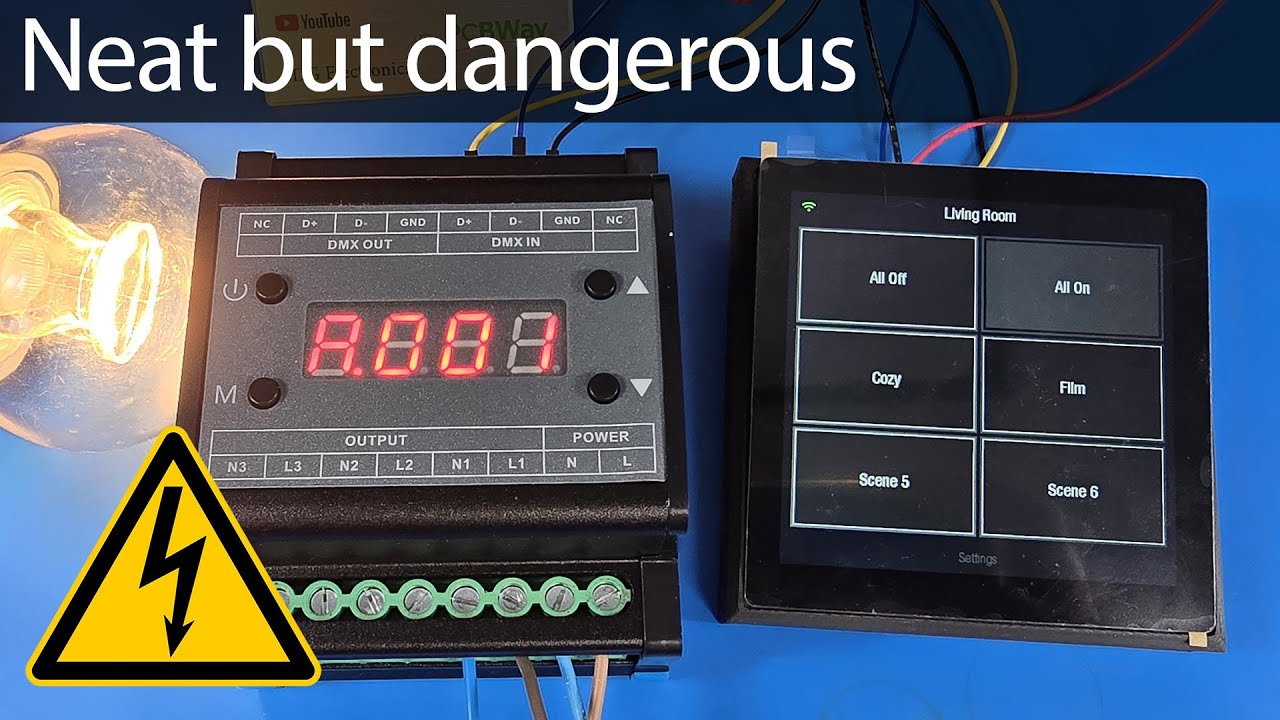
SDG #359 Dodgy AliExpress MOSFET-based multichannel AC Dimmer
Teardown and testing of a 3-channel DMX512 MOSFET AC trailing edge dimmer from AliExpress. Good circuit design, but the PCB isolation is a serious safety fail.
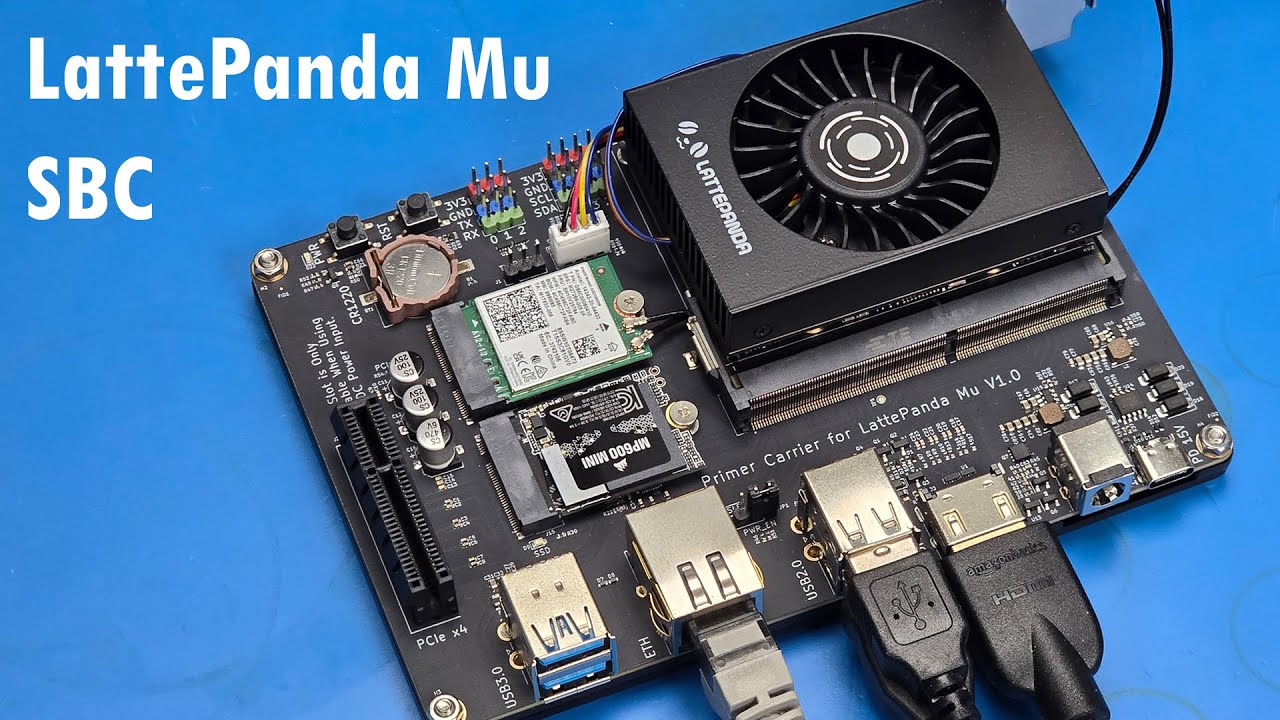
SDG #346 LattePanda Mu Small Board Computer
Hands-on with the LattePanda Mu compute module and carrier board: Intel N100, 8GB LPDDR5, PCIe x4, power draw tested and Raspberry Pi 5 compared.