SDG #118 Can ultrasonic cleaners damage your PCB and components?
Ultrasonic cleaning is one of the most argued about topics in electronics repair: it removes flux residue and grime better than any brush, but repair forums are full of warnings about destroyed crystals, cracked MEMS microphones and boards that never worked again. This video puts those claims under scrutiny using a GT Sonic tank, examining what cavitation actually does to a populated PCB rather than repeating received wisdom.
The practical conclusion is that the risk is rarely the ultrasound itself in isolation. Cavitation energy, frequency, tank power density, how long the board sits in the bath, and above all the cleaning fluid chosen are the variables that decide whether a board comes out cleaner or comes out broken. Components with an internal resonating structure or an acoustic port are the ones that deserve caution, along with anything with a paper or absorbent element, relay contacts, unsealed trimmers, electrolytic capacitors with vulnerable seals, and labels or markings that solvents can lift. Water intrusion under BGAs and shielding cans is the other hidden danger, because a board that is not thoroughly dried can corrode or short long after the cleaning appeared successful.
For anyone weighing a cheap benchtop tank, the useful conclusions concern process rather than fear: keep exposure times short, avoid resting a board directly on the transducer plate, use a suitable cleaning solution instead of raw solvents, rinse properly, and dry with warm air or IPA displacement before power up. Used that way, an ultrasonic bath is a reasonable addition to a repair bench, not a component destroyer.
More Product Reviews

Festive Free Coupons and PCB Upgrades #electronicscreators #3dprinting #pcb
A quick look at December PCB fabrication offers: free pink, purple or matte black solder mask upgrades, half price 3D printing, and coupon codes.
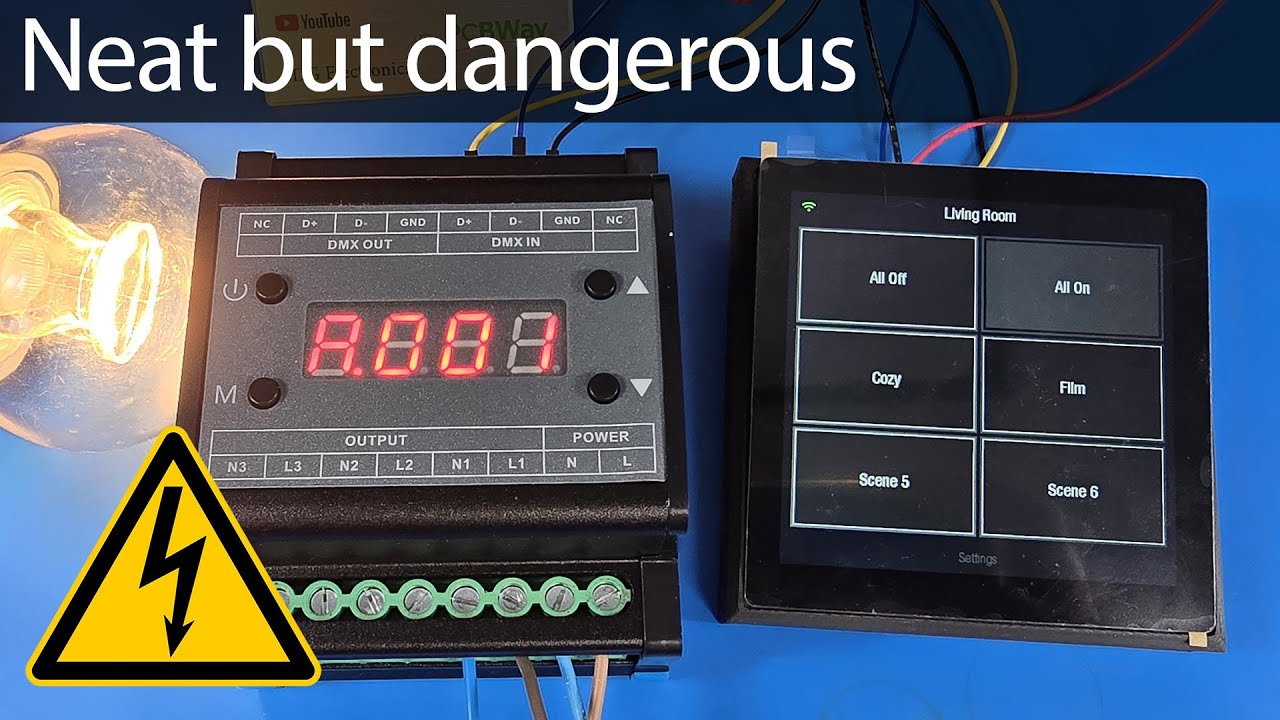
SDG #359 Dodgy AliExpress MOSFET-based multichannel AC Dimmer
Teardown and testing of a 3-channel DMX512 MOSFET AC trailing edge dimmer from AliExpress. Good circuit design, but the PCB isolation is a serious safety fail.
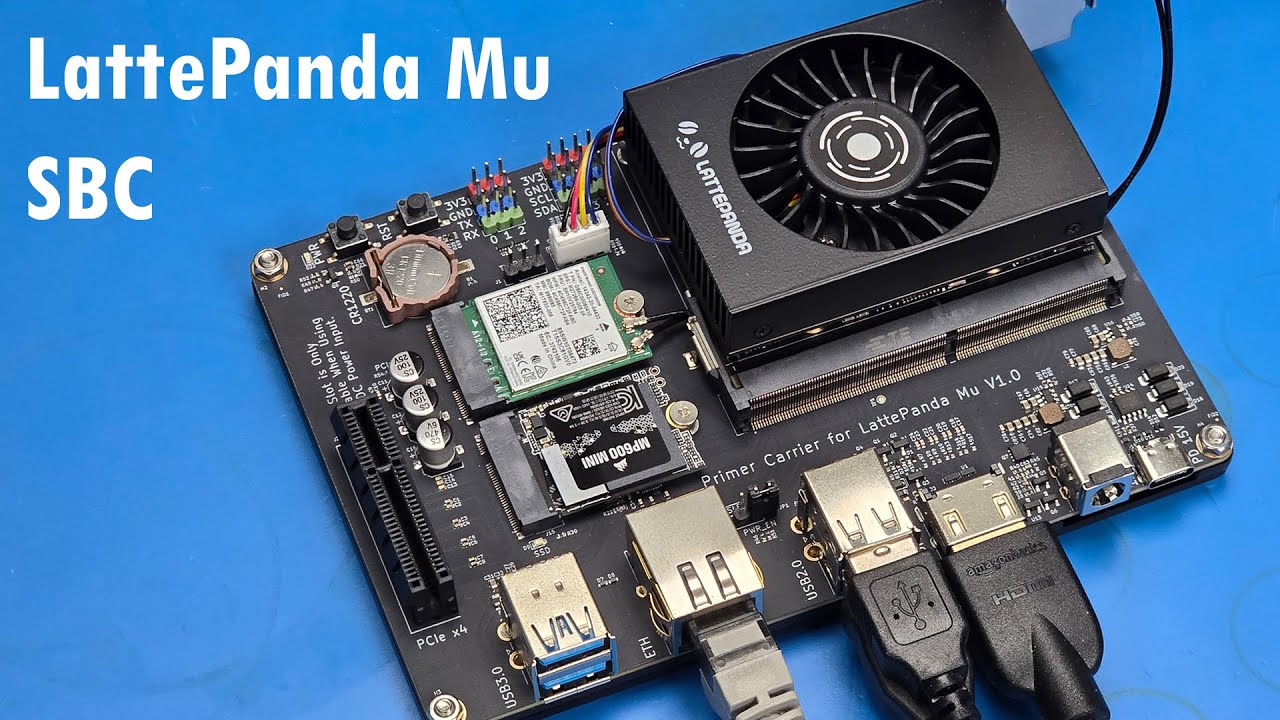
SDG #346 LattePanda Mu Small Board Computer
Hands-on with the LattePanda Mu compute module and carrier board: Intel N100, 8GB LPDDR5, PCIe x4, power draw tested and Raspberry Pi 5 compared.