SDG #062 SMD Assembly Using a Paste Dispenser and Hot Air with PCBs from JLCPCB
This build session puts the DS-982 pneumatic solder paste dispenser to work on a real board rather than a bench demonstration, which is where these cheap dispensers usually reveal their limits. The unit is essentially a timed air valve: it takes shop air from a compressor, regulates it down, and fires a controlled pulse into a syringe of paste so that each footprint receives a repeatable dot. That leaves two variables to tune, the regulated pressure and the pulse duration, and the practical finding is that paste viscosity, needle gauge and ambient temperature all shift the optimum. A few test dots on scrap card are needed before the volume looks right for fine pitch parts.
The supporting equipment matters as much as the dispenser. A quiet, oil free compressor is close to essential for working at a desk for any length of time, because a noisy hobby compressor cycling every minute makes the whole process unpleasant. Paste choice is the other major factor: leaded, no-clean paste in a syringe behaves very differently from stiff paste intended for stencil printing, and separated or old paste causes skipped shots and tailing.
After placement, reflow is handled with hot air rather than a hotplate or oven, which is realistic for one off prototypes but demands a slower ramp and patience around larger thermal masses. The boards themselves came from a low cost quick turn fabrication service, and the assembly quality shows how well cheap prototype PCBs with decent solder mask handle hand dispensing. For buyers, the honest question is whether a dispenser plus compressor is worthwhile compared with pushing a syringe by hand or ordering a stencil; the answer depends on how many pads are placed per week and how much wrist fatigue and inconsistency can be tolerated.
More Product Reviews

Festive Free Coupons and PCB Upgrades #electronicscreators #3dprinting #pcb
A quick look at December PCB fabrication offers: free pink, purple or matte black solder mask upgrades, half price 3D printing, and coupon codes.
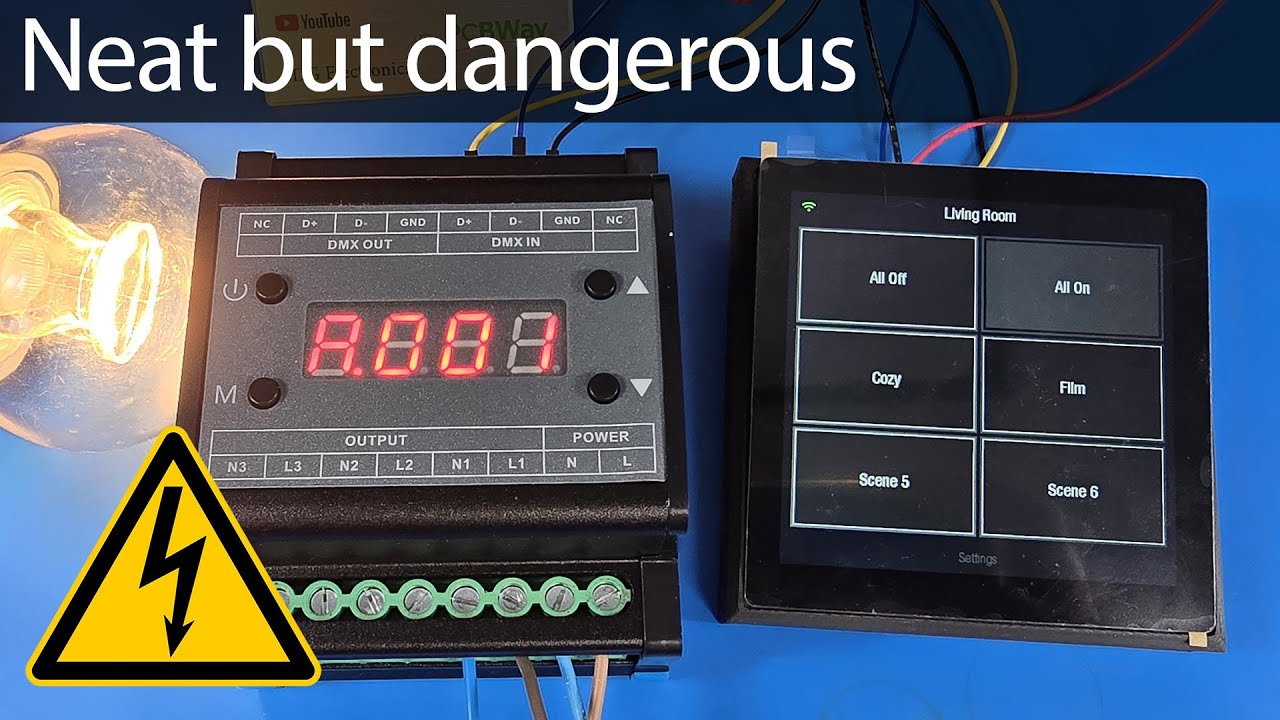
SDG #359 Dodgy AliExpress MOSFET-based multichannel AC Dimmer
Teardown and testing of a 3-channel DMX512 MOSFET AC trailing edge dimmer from AliExpress. Good circuit design, but the PCB isolation is a serious safety fail.
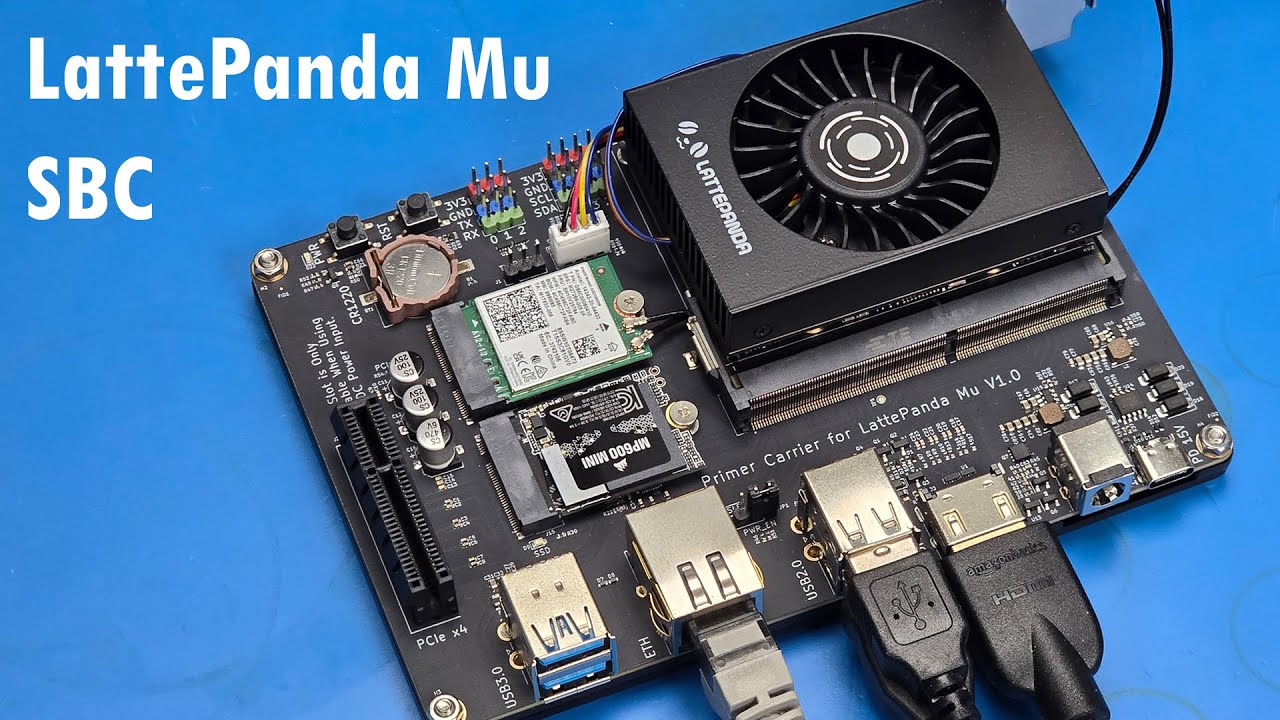
SDG #346 LattePanda Mu Small Board Computer
Hands-on with the LattePanda Mu compute module and carrier board: Intel N100, 8GB LPDDR5, PCIe x4, power draw tested and Raspberry Pi 5 compared.