SDG #112 Testing a Cheap Habotest AC Socket Wiring Tester (Use with caution...)
Plug-in socket testers are one of the cheapest “safety” tools available, and the Habotest HT106E is a good example of why cheap does not automatically mean useful. This review examines the HT106E’s ability to flag the classic wiring faults it advertises: reversed live and neutral, missing earth, missing neutral and correct wiring, plus its RCD trip test function. The neon and LED indicator logic is straightforward to read once the pattern chart is learned, and for the obvious gross faults it does what it claims.
The caution in the title matters. Testers of this class rely on simple voltage presence detection between pins, which means they cannot distinguish a genuinely low impedance protective earth from a high resistance or borrowed earth connection. A socket can indicate “correct” while still carrying a fault that only a proper loop impedance test or insulation resistance test would expose. There is also the interpretation trap: reversed live and neutral in some installations, or a bootleg earth bonded to neutral, can produce a pass indication that gives false confidence.
For a buyer, the sensible framing is that the HT106E is a quick triage device rather than a certification instrument. It is genuinely useful for spotting a wall socket wired backwards after DIY work, checking extension leads and adaptors, or confirming that an RCD actually trips, but it is not a substitute for a proper multifunction installation tester. Build quality, moulding and internal construction also deserve consideration given that the device sits directly across mains, and anyone uncomfortable with that risk profile should spend more on a known brand.
More Product Reviews

Festive Free Coupons and PCB Upgrades #electronicscreators #3dprinting #pcb
A quick look at December PCB fabrication offers: free pink, purple or matte black solder mask upgrades, half price 3D printing, and coupon codes.
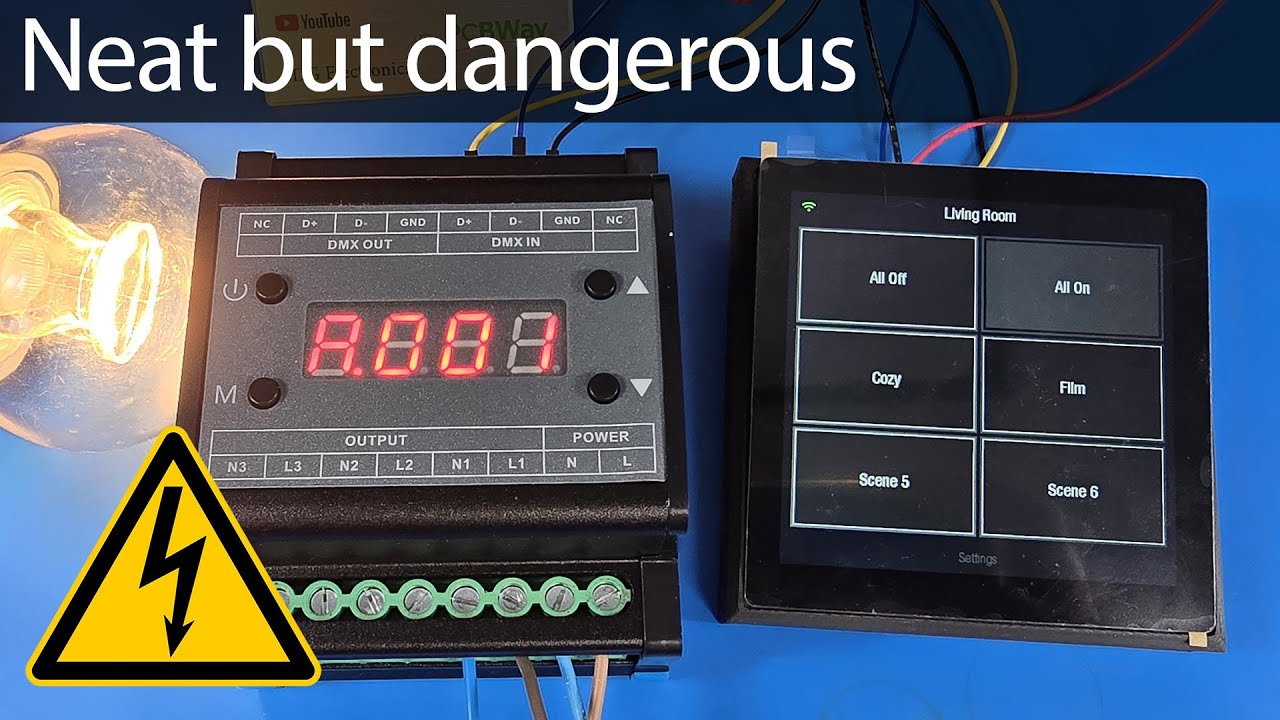
SDG #359 Dodgy AliExpress MOSFET-based multichannel AC Dimmer
Teardown and testing of a 3-channel DMX512 MOSFET AC trailing edge dimmer from AliExpress. Good circuit design, but the PCB isolation is a serious safety fail.
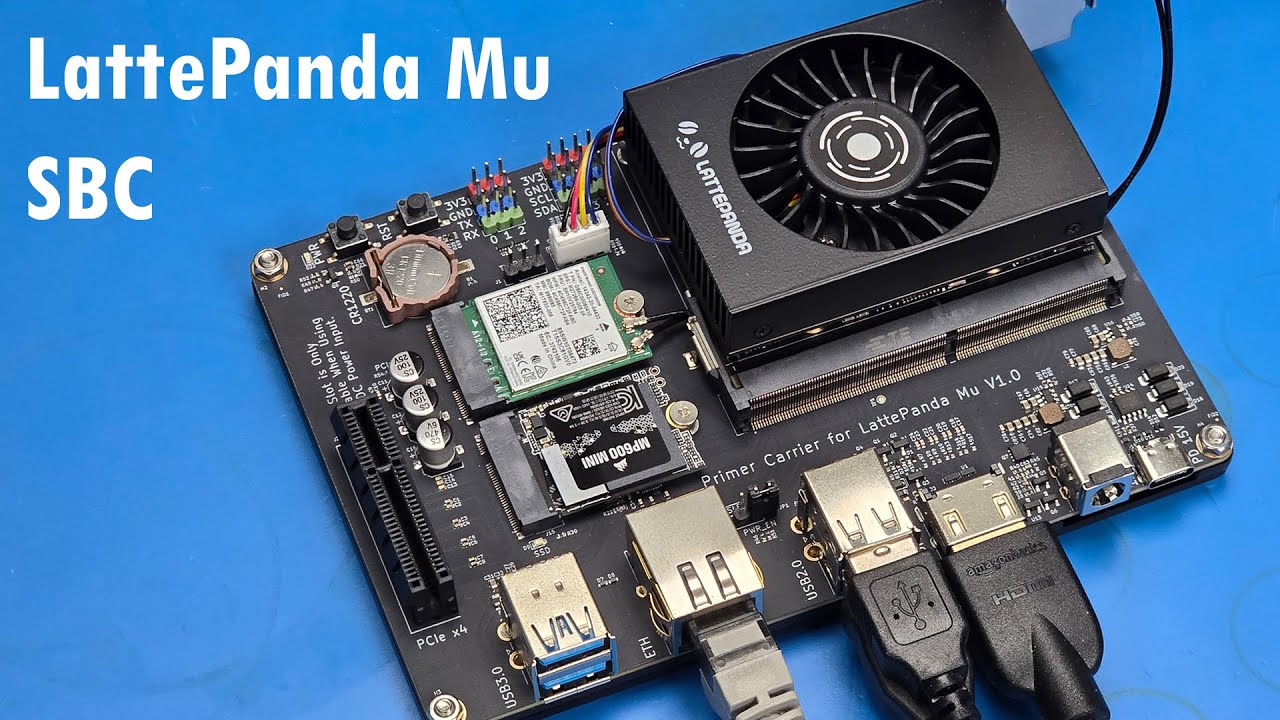
SDG #346 LattePanda Mu Small Board Computer
Hands-on with the LattePanda Mu compute module and carrier board: Intel N100, 8GB LPDDR5, PCIe x4, power draw tested and Raspberry Pi 5 compared.