SDG #295 Bluetooth Hager Arc Fault Detection AFDD ARR MCBs (ARR932U etc)
Arc fault detection devices are becoming a familiar sight in UK consumer units, but Hager’s ARR range adds something genuinely unusual: a Bluetooth radio inside the breaker. This video puts one on the bench alongside the older double width Hager AFDD/MCB combination to show why the new part is worth the change, and what the wireless link actually provides.
The practical case is space. The earlier double width AFDD has no RCD element, so protecting a circuit properly meant pairing it with a downstream RCBO, consuming at least three DIN modules. The ARR packs double pole disconnection, a Type A RCD, thermal overload and overcurrent detection into a single module, with visible current transformers on both the outgoing conductors and the incoming phase and neutral pair.
The Bluetooth side exists mainly because arc detection algorithms are imperfect. Brushed motors, welders and similar loads produce high frequency signatures that look convincingly like a series arc, and simpler analogue AFDDs relying on bandpass filter comparison either nuisance trip or miss real faults. A reprogrammable microcontroller means Hager can push improved arc signatures later, which is a reasonable future proofing argument for installers handing over to a customer.
More immediately useful is the event log. The Hager Pilot app reads back the last 16 trips with cause codes, which turns intermittent nuisance tripping from guesswork into a pattern that can be investigated. The app also stores circuit identification notes and includes a guided AFDD diagnosis routine, which reveals that a resistive load above roughly 1kW is needed before arc detection will act. Two caveats are worth noting: an account signup is required, and each unit draws around half a watt continuously, which adds up across a full board.
More Product Reviews

Festive Free Coupons and PCB Upgrades #electronicscreators #3dprinting #pcb
A quick look at December PCB fabrication offers: free pink, purple or matte black solder mask upgrades, half price 3D printing, and coupon codes.
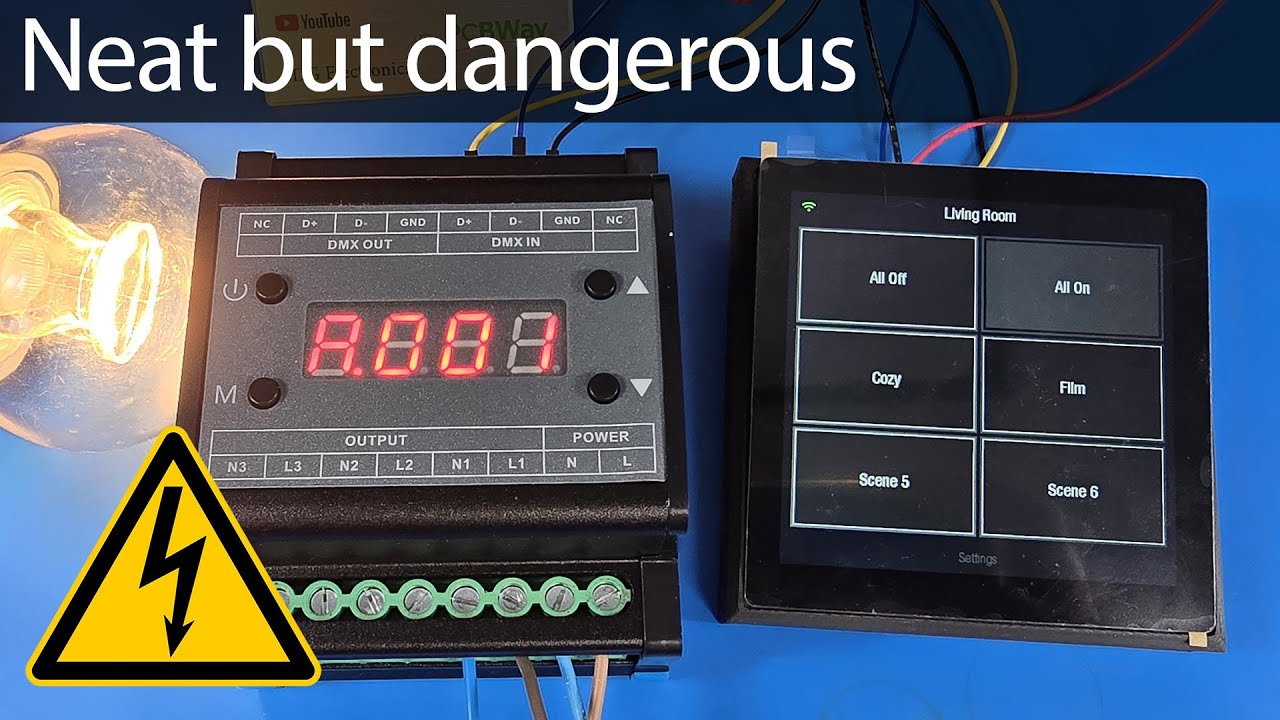
SDG #359 Dodgy AliExpress MOSFET-based multichannel AC Dimmer
Teardown and testing of a 3-channel DMX512 MOSFET AC trailing edge dimmer from AliExpress. Good circuit design, but the PCB isolation is a serious safety fail.
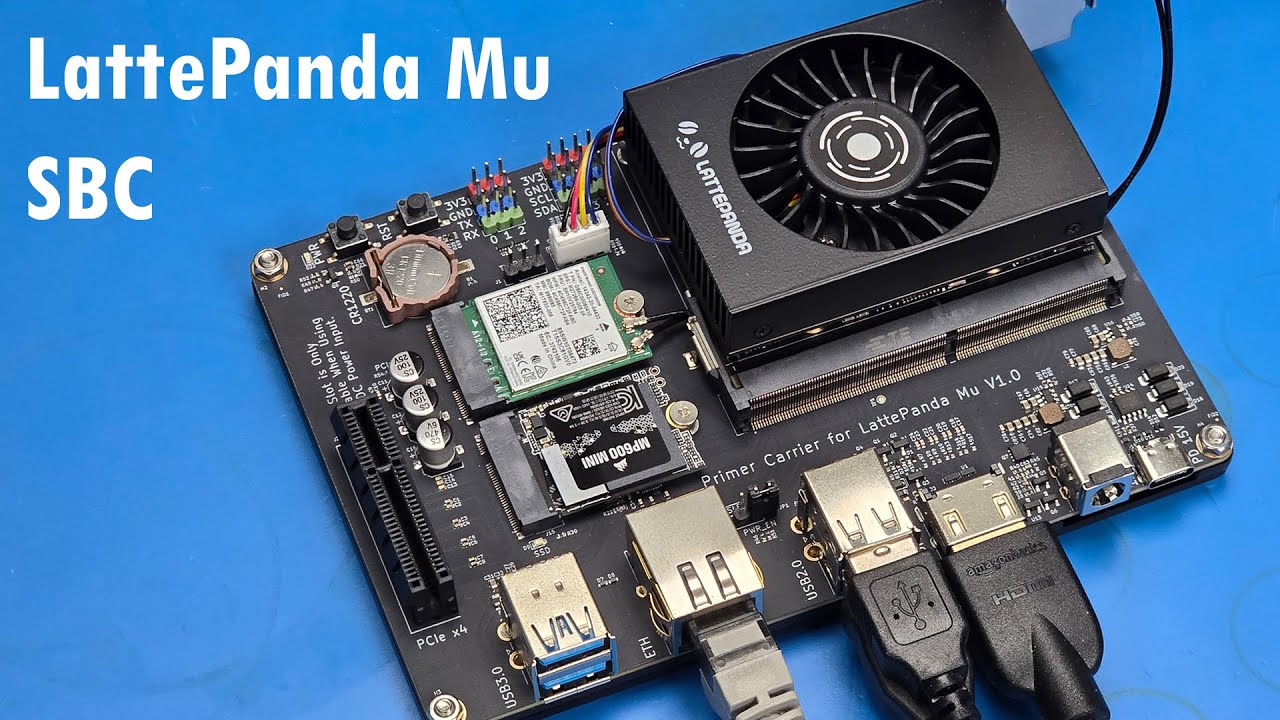
SDG #346 LattePanda Mu Small Board Computer
Hands-on with the LattePanda Mu compute module and carrier board: Intel N100, 8GB LPDDR5, PCIe x4, power draw tested and Raspberry Pi 5 compared.