SDG #058 1980's Pulse Rate and Sa02 Monitor Teardown (Ohmeda Biox 3700e)
The Ohmeda Biox 3700e is a late 1980s hospital grade pulse oximeter, a machine that reads blood oxygen saturation and pulse rate from a finger or ear probe. Stripping one down gives a useful snapshot of how medical instrumentation was built before surface mount assembly and switch mode supplies became the default, and it is a reminder that “medical grade” is a moving target rather than a permanent guarantee of safety.
The teardown focuses heavily on isolation, which is the single most important design consideration in any device that clips a sensor to a patient while being connected to the mains. Modern standards demand generous creepage and clearance distances, dedicated isolation barriers around the patient applied part, and optically or transformer coupled signal paths. What is found inside this unit is considerably more relaxed than a current design engineer would approve, with barrier spacing and construction choices that look distinctly casual by today’s IEC 60601 expectations.
On the electronics side there is plenty to appreciate. The build is dominated by socketed logic, through hole passives, a linear supply and clearly labelled boards, all of which makes the unit genuinely serviceable decades later, unlike a modern sealed instrument built around a custom ASIC and a proprietary display module. That repairability is the practical conclusion for anyone acquiring vintage medical equipment for a bench or a collection.
The conclusion for buyers is straightforward: as a study piece, a source of parts or a display item this class of instrument is interesting and largely repairable, but it is not something to trust for clinical measurements or to connect to a person.
More Product Reviews

Festive Free Coupons and PCB Upgrades #electronicscreators #3dprinting #pcb
A quick look at December PCB fabrication offers: free pink, purple or matte black solder mask upgrades, half price 3D printing, and coupon codes.
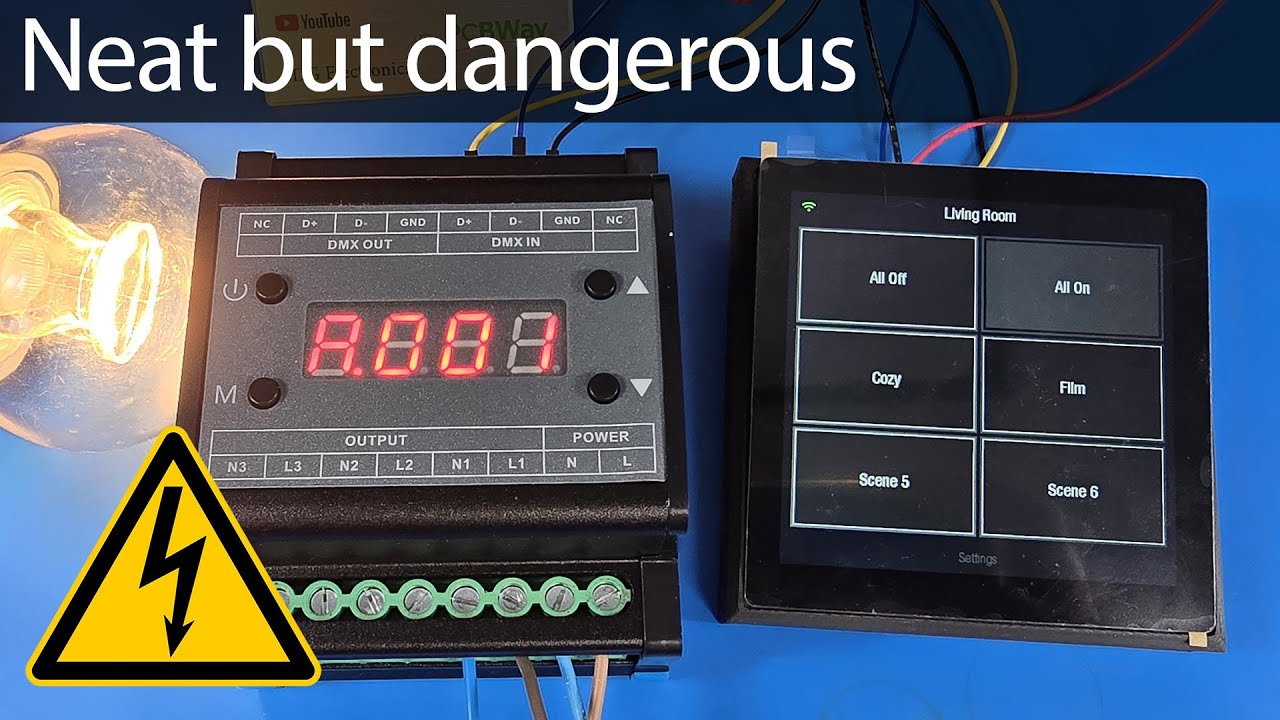
SDG #359 Dodgy AliExpress MOSFET-based multichannel AC Dimmer
Teardown and testing of a 3-channel DMX512 MOSFET AC trailing edge dimmer from AliExpress. Good circuit design, but the PCB isolation is a serious safety fail.
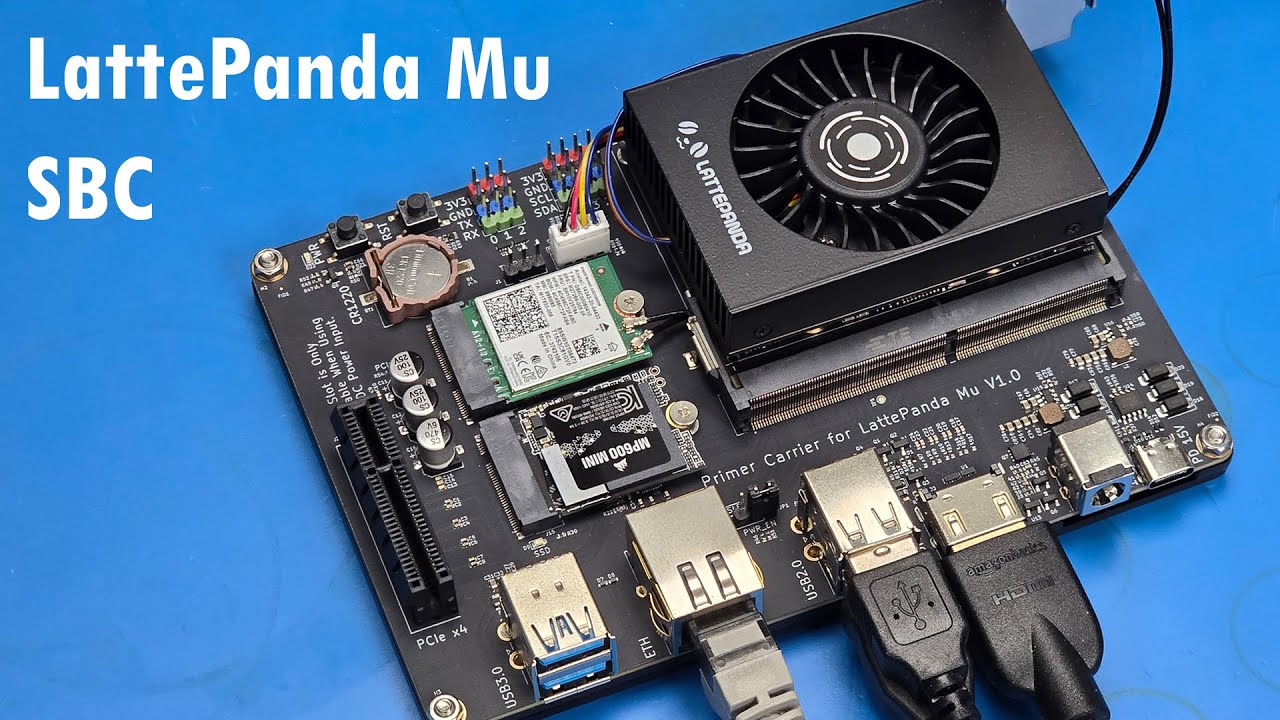
SDG #346 LattePanda Mu Small Board Computer
Hands-on with the LattePanda Mu compute module and carrier board: Intel N100, 8GB LPDDR5, PCIe x4, power draw tested and Raspberry Pi 5 compared.