SDG #010 Peak Atlas ESR Meter - Review, Teardown and Analysis
The Peak Atlas ESR70 (sold in earlier forms as the ESR60 and ESR+) is a single purpose instrument, and that focus is the whole argument for owning one. Rather than attempting to be a general LCR bridge, it measures equivalent series resistance at a frequency and current that reflect how an electrolytic capacitor behaves in a real switching supply, which is exactly where high ESR causes ripple, heat and eventual failure.
This review explains what ESR is and why a capacitor that reads correctly for capacitance can still be the fault in a dead power supply. Because the ESR70 injects a low test voltage, in circuit testing is practical without unsoldering parts or turning on nearby semiconductor junctions, and the meter also handles discharge of residual charge rather than being damaged by it. Resolution at the low end matters more than headline accuracy here, since the interesting difference is usually between a few milliohms and a couple of ohms.
The teardown examines how Peak achieves that performance: the microcontroller driven measurement front end, the current source arrangement, and the general standard of construction behind the familiar Peak enclosure and gold plated test clips. There is also a useful side demonstration of confirming capacitance independently using a Rigol 1000 series oscilloscope and RC time constant calculation, which is a good check for anyone wanting to trust a new meter before relying on it.
For anyone repairing switch mode supplies, monitors or audio equipment, the conclusion is that an ESR meter finds faults that a standard multimeter or cheap component tester will miss, and the ESR70 makes that a fast, one handed job at the bench.
More Product Reviews

Festive Free Coupons and PCB Upgrades #electronicscreators #3dprinting #pcb
A quick look at December PCB fabrication offers: free pink, purple or matte black solder mask upgrades, half price 3D printing, and coupon codes.
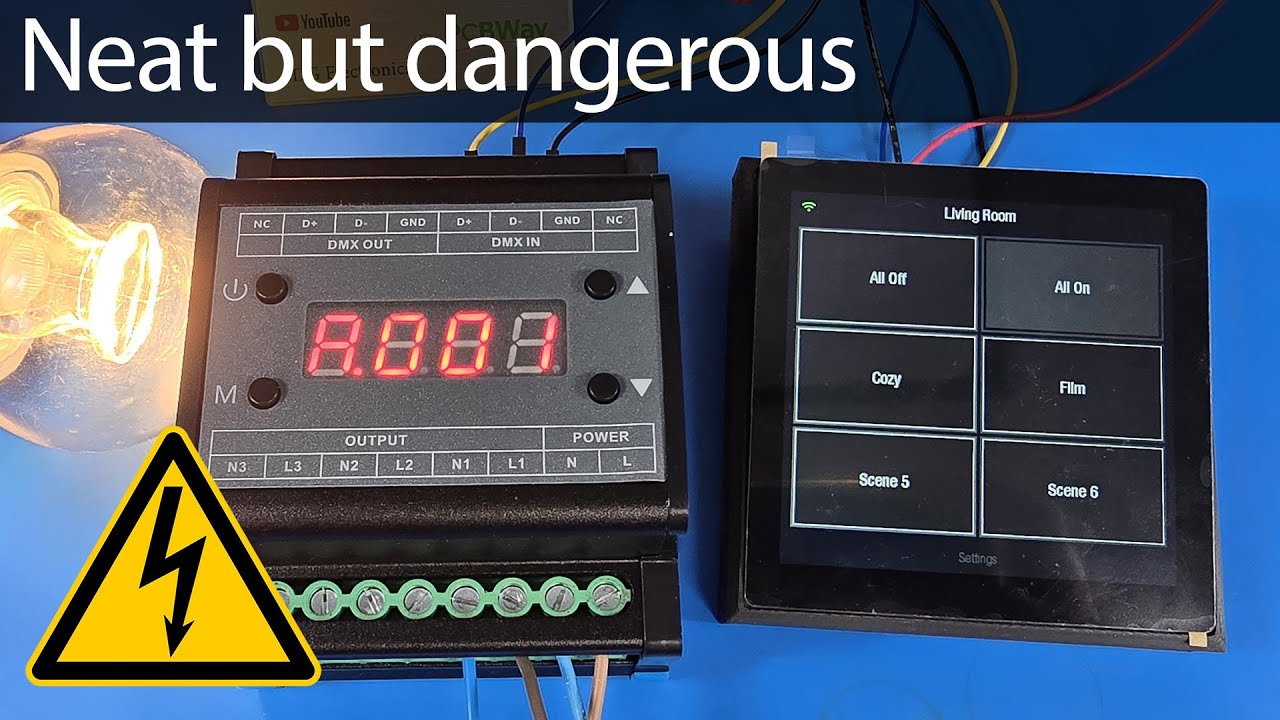
SDG #359 Dodgy AliExpress MOSFET-based multichannel AC Dimmer
Teardown and testing of a 3-channel DMX512 MOSFET AC trailing edge dimmer from AliExpress. Good circuit design, but the PCB isolation is a serious safety fail.
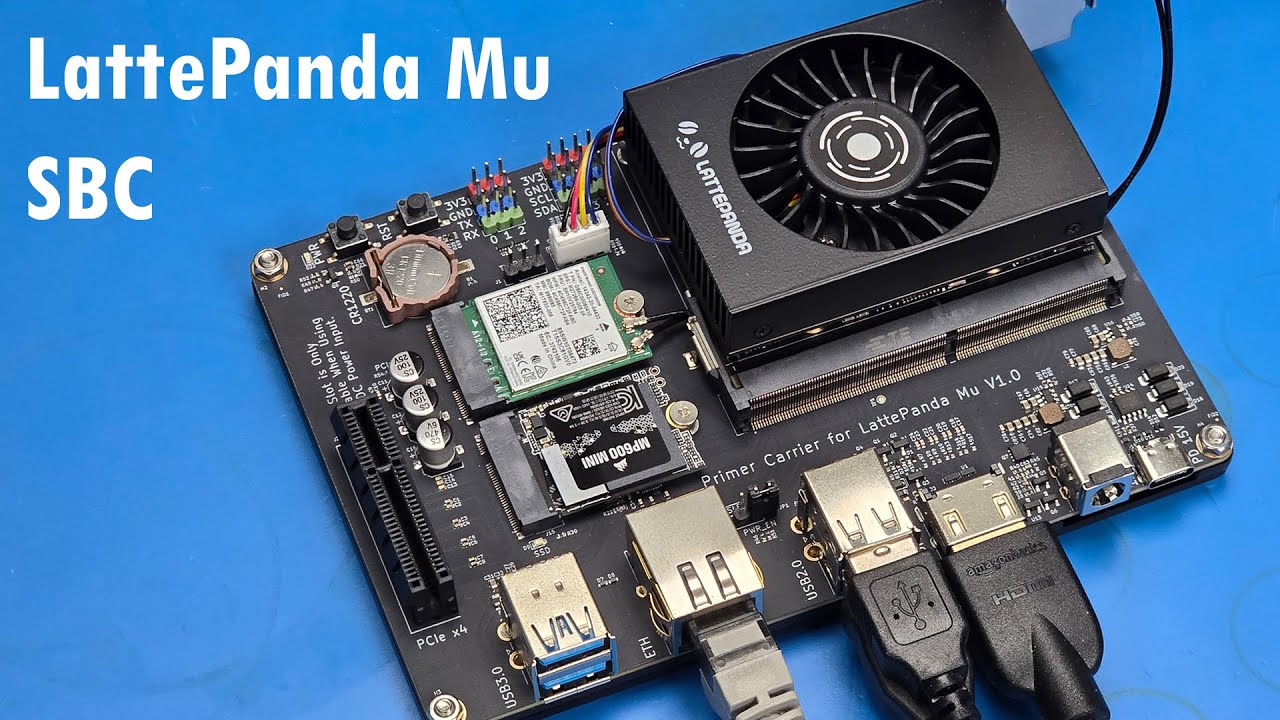
SDG #346 LattePanda Mu Small Board Computer
Hands-on with the LattePanda Mu compute module and carrier board: Intel N100, 8GB LPDDR5, PCIe x4, power draw tested and Raspberry Pi 5 compared.