SDG #011 Peak Atlas DCA75 Pro Semiconductor Analyser
The Peak Atlas DCA75 Pro sits at the top of Peak Electronics’ handheld semiconductor analyser range, and this review examines whether the extra outlay over the simpler DCA55 is justified for a hobbyist or a repair bench.
The basic premise is the same across both units: connect three colour coded probes to an unknown three legged part in any order, press test, and the analyser works out the device type, pinout and key parameters. That covers bipolar transistors including Darlingtons, MOSFETs and IGBTs, JFETs, diodes and diode networks, LEDs, Zeners, voltage regulators, SCRs, thyristors and TRIACs. Gain, gate threshold, forward voltage and leakage figures are reported on the built in display, which alone saves considerable time when sorting salvaged parts or verifying markings on suspect components removed from dead equipment.
What separates the DCA75 Pro is the USB link and Windows software, which turns the unit into a low cost curve tracer. Plotting output characteristics, transfer curves and diode or Zener I/V curves gives real insight into how a device behaves rather than a single headline figure, and it makes matching devices for audio or analogue work far easier. That capability is the main reason to choose the Pro over the DCA55.
The teardown shows how the measurement front end and microcontroller are arranged inside a compact enclosure, and confirms that this is a well made UK built instrument rather than a generic tester. Buyers should note that it is not a substitute for a full transistor curve tracer at high currents or voltages, but for low power semiconductor identification and characterisation it is a genuinely useful bench addition.
More Product Reviews

Festive Free Coupons and PCB Upgrades #electronicscreators #3dprinting #pcb
A quick look at December PCB fabrication offers: free pink, purple or matte black solder mask upgrades, half price 3D printing, and coupon codes.
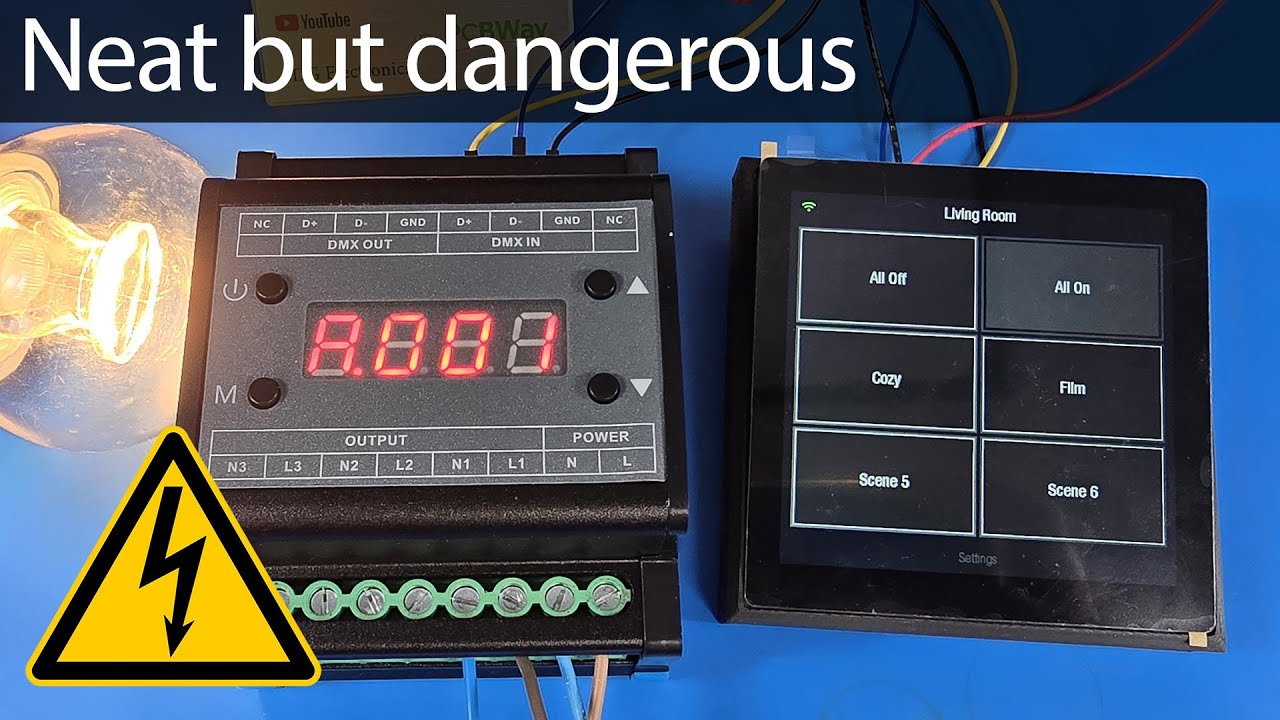
SDG #359 Dodgy AliExpress MOSFET-based multichannel AC Dimmer
Teardown and testing of a 3-channel DMX512 MOSFET AC trailing edge dimmer from AliExpress. Good circuit design, but the PCB isolation is a serious safety fail.
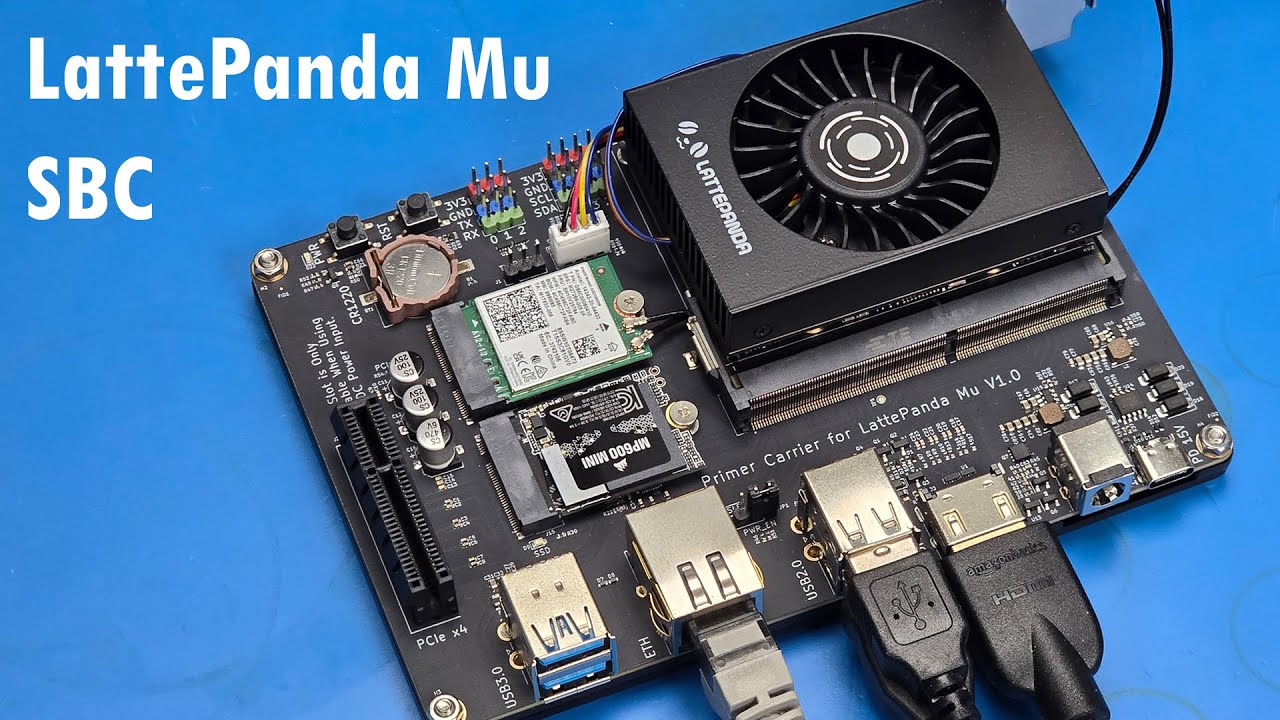
SDG #346 LattePanda Mu Small Board Computer
Hands-on with the LattePanda Mu compute module and carrier board: Intel N100, 8GB LPDDR5, PCIe x4, power draw tested and Raspberry Pi 5 compared.