SDG #131 Solder Fumes, Extractors and Purifiers
Solder fume safety is a bench topic that is either ignored or wildly overstated, so this episode attempts to separate the two. The starting point is what is actually being breathed: not lead vapour, which needs far higher temperatures than a soldering iron reaches, but the decomposition products of rosin and no-clean flux. Those particulates and volatile compounds are the recognised occupational hazard behind respiratory sensitisation and occupational asthma, which is why extraction matters even for hobbyists soldering a few hours a week.
The practical side covers the low cost benchtop fume extractor fan that most people encounter first. It is useful for drawing smoke away from the face, but the important caveat is filter media: a plain sponge does nothing for the fumes that matter, and an activated carbon pad only helps while it is fresh and while air is actually being drawn through it rather than around it. Placement, airflow rate and duct or window venting end up mattering more than the brand on the box.
The second half examines whole room filtration using a Xiaomi Mijia air purifier alongside a handheld PM2.5 air quality monitor, which gives a rough but revealing indication of how quickly soldering particulate builds up in a small workshop and how fast a HEPA based purifier brings the reading back down. For buyers the conclusion is layered: extract at the source, ventilate the room where possible, treat carbon filters as consumables, and use a cheap particle monitor to confirm that the setup is doing something rather than merely making noise.
More Product Reviews

Festive Free Coupons and PCB Upgrades #electronicscreators #3dprinting #pcb
A quick look at December PCB fabrication offers: free pink, purple or matte black solder mask upgrades, half price 3D printing, and coupon codes.
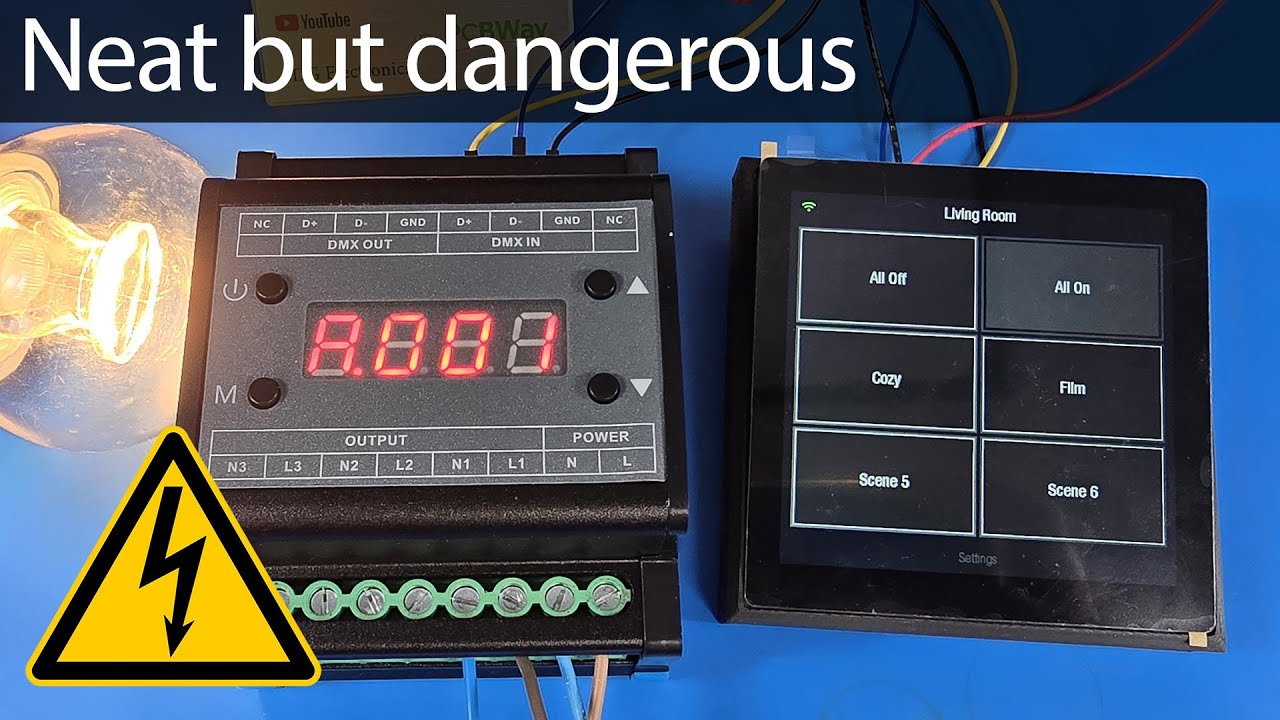
SDG #359 Dodgy AliExpress MOSFET-based multichannel AC Dimmer
Teardown and testing of a 3-channel DMX512 MOSFET AC trailing edge dimmer from AliExpress. Good circuit design, but the PCB isolation is a serious safety fail.
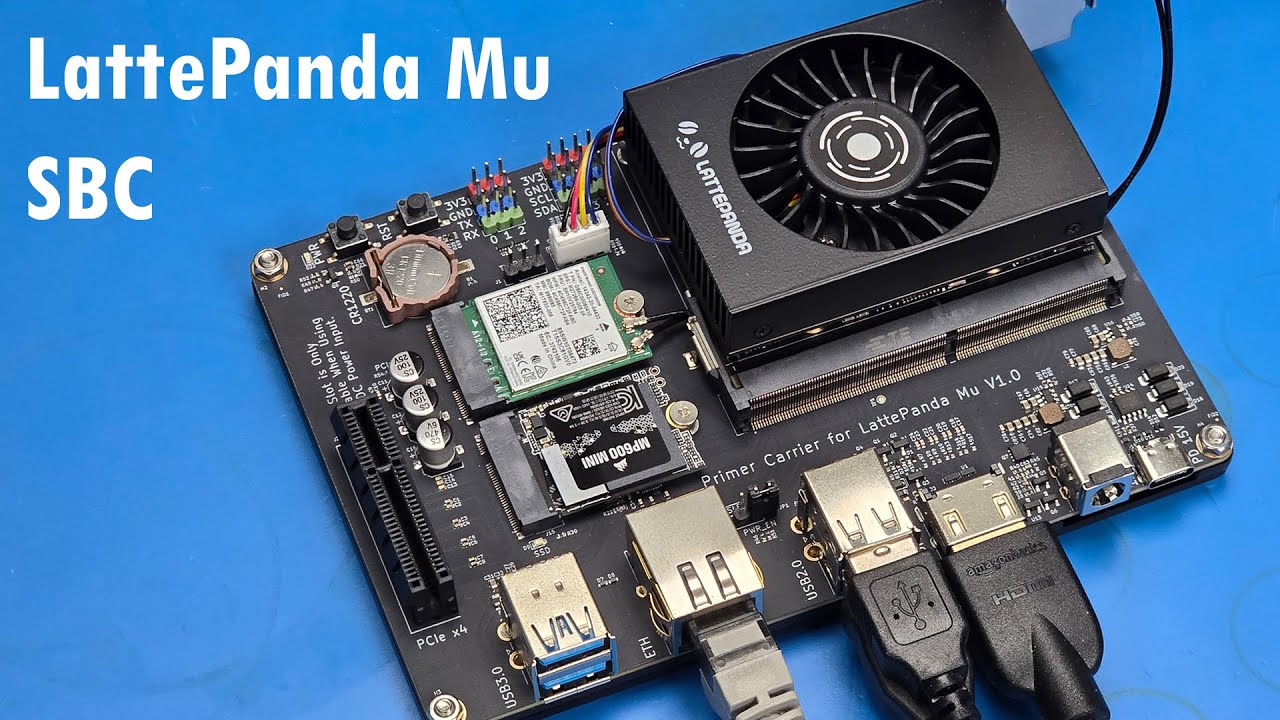
SDG #346 LattePanda Mu Small Board Computer
Hands-on with the LattePanda Mu compute module and carrier board: Intel N100, 8GB LPDDR5, PCIe x4, power draw tested and Raspberry Pi 5 compared.