SDG #071 British Aerospace 1988 Solder Ration...
Old stock solder appears on auction sites constantly, and this reel of 60/40 tin/lead wire packaged for British Aerospace in 1988 is a good example of why it can be worth the gamble. The interest is not the alloy, which is the same near eutectic 60/40 that hobbyists have used for decades, but the flux system: a generous rosin core with a high halide (activated) content, the sort of aggressive chemistry that has largely been reformulated out of modern consumer solder for corrosion and cleanliness reasons.
The practical result is that activated rosin cuts through oxide far more readily than the mild no-clean cores sold today. On tarnished component leads, old copper pads and stubborn plated surfaces, wetting happens quickly and at lower iron temperatures, which is exactly why this class of solder is prized for rework and for reviving corroded vintage boards. The trade-off is residue: halide activated flux leaves behind something that genuinely should be cleaned off with IPA rather than left on a board, particularly on high impedance circuits or anything destined for a humid environment.
Buyers should also weigh the practical realities of vintage stock. Reels can be oxidised on the outer layers, spool markings and specification labels say more about the intended military or aerospace standard than the flux percentage does, and lead content rules out anything RoHS relevant. For a home bench, though, a sealed reel of aerospace grade activated rosin solder is often better than what a general electronics shop sells now, provided fume extraction and post solder cleaning are attended to.
More Product Reviews

Festive Free Coupons and PCB Upgrades #electronicscreators #3dprinting #pcb
A quick look at December PCB fabrication offers: free pink, purple or matte black solder mask upgrades, half price 3D printing, and coupon codes.
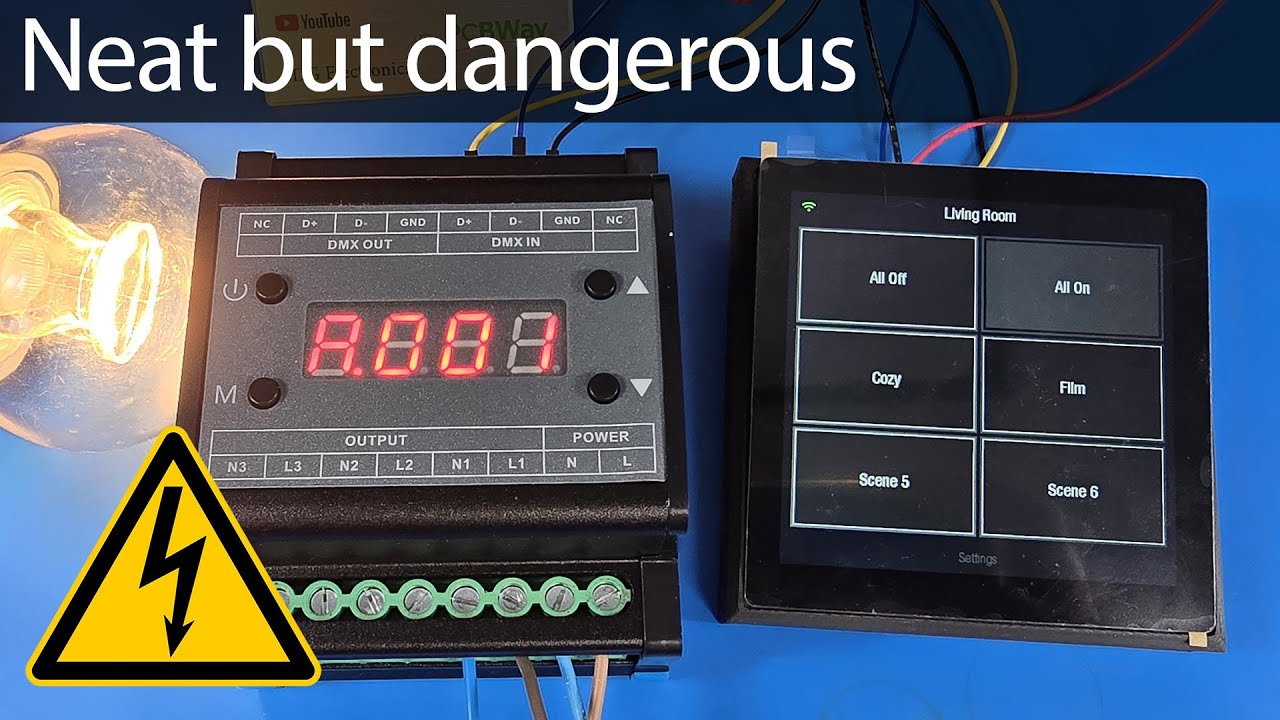
SDG #359 Dodgy AliExpress MOSFET-based multichannel AC Dimmer
Teardown and testing of a 3-channel DMX512 MOSFET AC trailing edge dimmer from AliExpress. Good circuit design, but the PCB isolation is a serious safety fail.
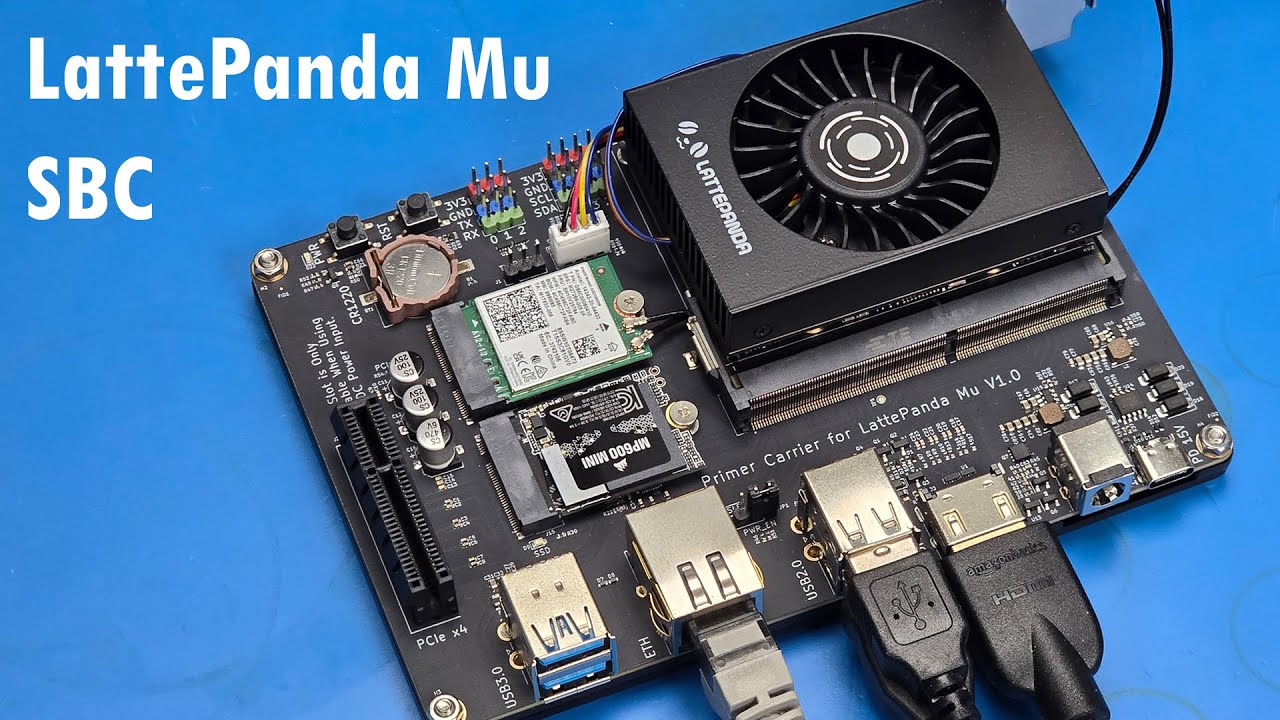
SDG #346 LattePanda Mu Small Board Computer
Hands-on with the LattePanda Mu compute module and carrier board: Intel N100, 8GB LPDDR5, PCIe x4, power draw tested and Raspberry Pi 5 compared.