SDG #091 The Importance of Good EMC Design - Texecom Alarm System
Electromagnetic compatibility is the part of electronics design that most hobbyists never consider until something in the house starts misbehaving. This teardown and investigation examines a Texecom alarm system that was doing exactly that: pushing conducted noise back onto the mains and interfering with other equipment sharing the same wiring.
The interesting part is the diagnostic process rather than the verdict. Conducted emissions problems are frustrating because the symptoms usually appear somewhere other than the offending device, so the culprit has to be identified by elimination and by observing what happens on the supply when the unit is powered up and down. The discussion then moves to the design side: what the switching supply and its associated wiring are doing, where the noise is coupling in, and which components should have been present on the board to keep that energy contained. Common mode chokes, Y capacitors, sensible earthing and layout, and adequate input filtering all receive attention as the elements that separate a product that passes real world testing from one that merely passes on paper.
For anyone designing their own boards, the conclusion is practical. Filtering is cheap at the design stage and expensive once units are in the field, and a product that technically works can still be a nuisance to everything around it. It is also a useful reminder that a commercial CE mark is no guarantee that a device will behave well on a shared mains circuit, and that alarm panels, permanently powered in a building, are exactly the sort of always on hardware where poor EMC design shows up as a long term annoyance.
More Repairs

SDG #368 Tricky Repair: Cambridge Audio Bluetone 100 - No Bluetooth
Diagnosing a Bluetone 100 that plays analogue audio but won't pair. Scope traces, EEPROM dumps and a CSR8645 to CSR8675 module swap that finally works.

SDG #363 eBay NAD Direct Digital Amplifier D 7050 Repair - Lots of issues
Repairing a faulty eBay NAD D 7050 digital amplifier: cracked SMPS transformer, dead caps, blown OLED boost converter and a burnt out white LED.
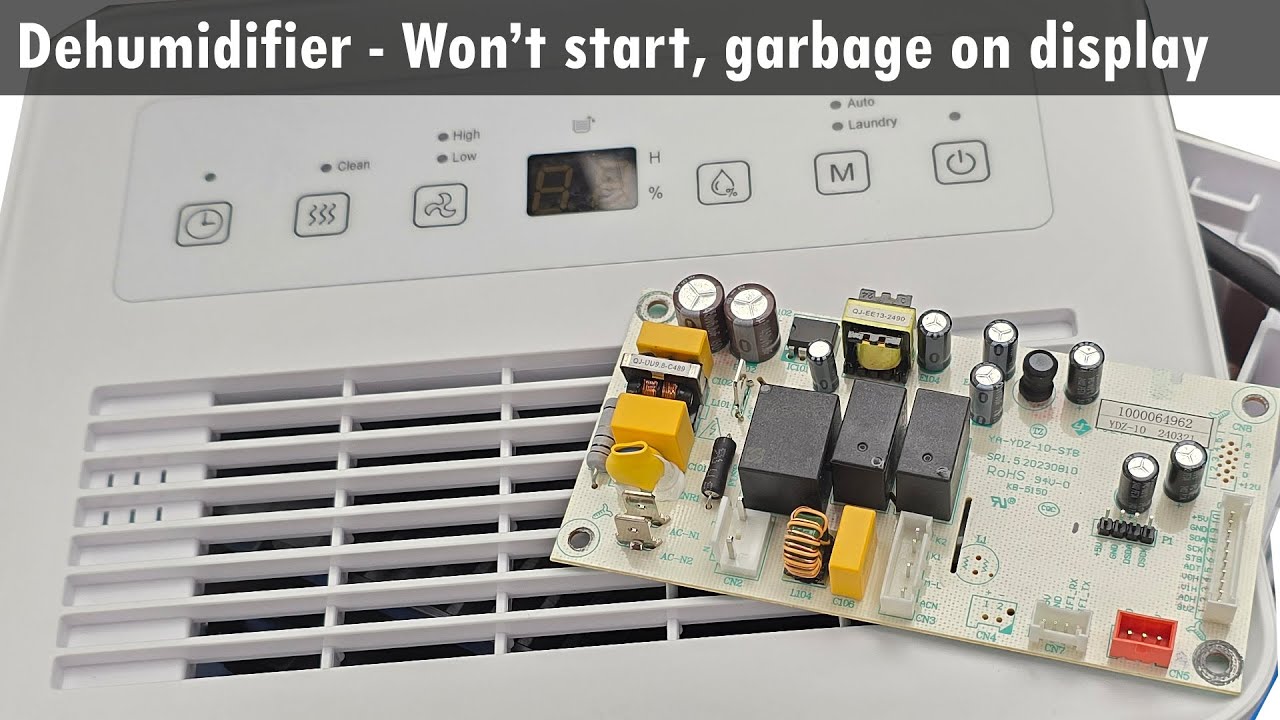
SDG #356 Repair of an Amazon Return Shinco Dehumidifier SDL5-10D
A faulty Shinco SDL5-10D dehumidifier bought for £5 as a customer return, diagnosed and fixed: blown display driver IC and an open-circuit resistor.