SDG #284 130W Capable JBC C245 Soldering Iron
This is the follow-up test to the earlier look at the L245 USB-C soldering iron, a compact handle built around genuine JBC C245 cartridges. The original problem was straightforward: USB power delivery supplies at 65W and even around 160W kept tripping out as soon as a real JBC cartridge was fitted, because the genuine element has a noticeably lower resistance than the cartridge bundled with the iron. Rather than blame the iron, the sensible next step was to remove the supply as a variable.
Feeding the handle from a bench supply through a modified USB-C cable shows that the iron will run anywhere from 5V up to 20V, which is genuinely useful when working from a low voltage source. At 20V with a 6A limit, the iron heats and solders without complaint, but the supply itself starts clicking under the load. The current waveform explains why: roughly 1ms pulses stepping from zero to over 6A, a severe duty cycle for any linear or switching bench supply. A local capacitor bank would make the demand on the source far more manageable.
The wider point is thermal headroom against cartridge lifespan. Driving a cartridge rated for around 120W with close to 300W gives very fast recovery on large copper planes, but it will shorten tip life. Reducing the supply voltage to cap peak power nearer 130W is the better setup. The remaining issue is firmware: higher frequency PWM, smaller duty cycles and a resistance measurement at power-up would allow this design to control cartridges properly. Solder wetting still lagged slightly behind a Metcal system using identical solder and tips, which remains unexplained.
More Soldering Iron Reviews

SDG #373 Ultimate Precision Soldering Setup – Metcal Micro-Fine Iron & Tweezers + PCBWay PCBs
Hands-on with Metcal's MX-H9 micro-fine soldering iron and MX-H10 tweezers: cartridge range, microscope ergonomics, 01005 rework and JBC comparisons.
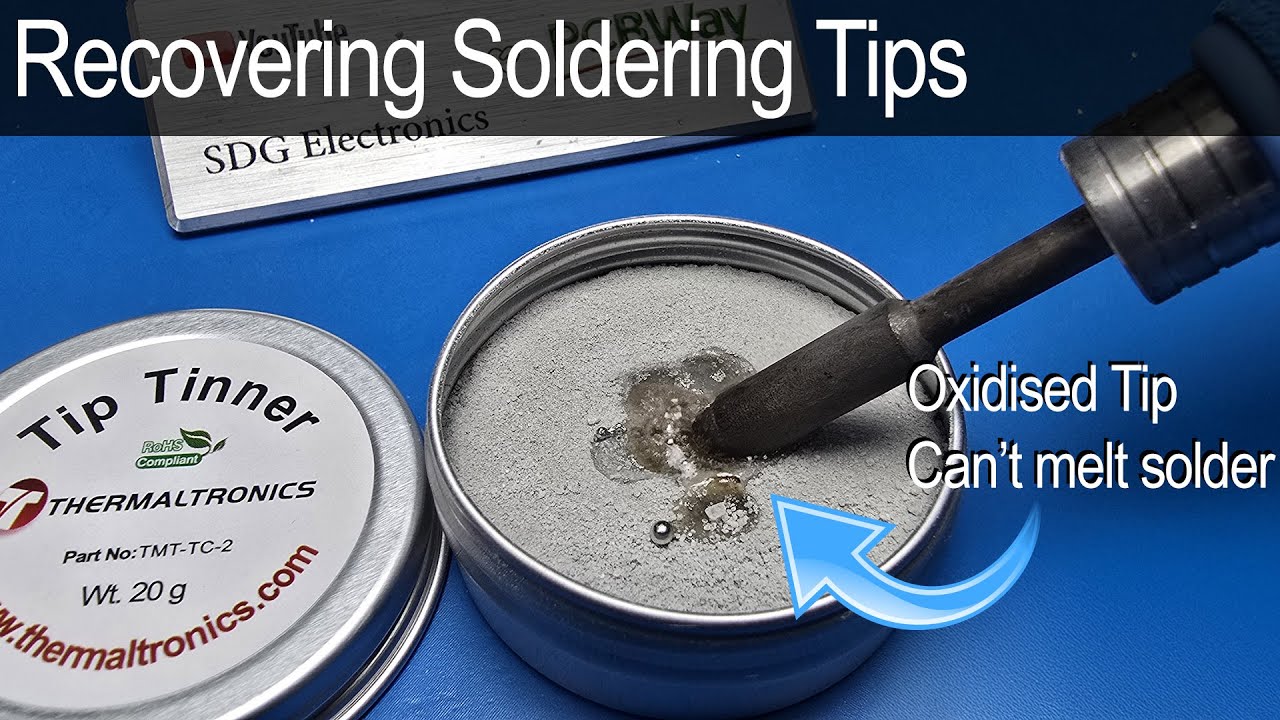
SDG #372 Solder Not Melting? Here’s Why (and How to Fix Your Iron Tip)
Damp sponge, brass wool, JBC Inox wool, rosin, tip tinner and sal ammoniac tested on badly oxidized soldering tips. See what actually works.

SDG #371 Geeboon HC24 Low Cost High Power Soldering System for JBC handpieces.
Testing the Geeboon HC24 SMPS soldering station with T470, T245 and T115 JBC handpieces: teardown, calibration, tip leakage, firmware fix and fan noise.