SDG #326 A copper core PCB with tiny 1.4mm Luxeon Rubix LEDs
This project episode addresses two things at once: working with a genuine copper core metal PCB, and hand assembling Luxeon Rubix LEDs, which at roughly 1.4mm square are small enough to make placement and reflow genuinely awkward.
The engineering question is thermal. Standard FR4 is a poor conductor, so high current LEDs run hot and lose efficiency and lifespan. Aluminium core boards are the usual budget answer, but copper offers noticeably better heat spreading, at higher cost and with different fabrication constraints. The video walks through what a metal core board order looks like from a prototype house, including the single layer copper limitation, the dielectric layer between the trace copper and the base metal, and why that thin insulating layer matters for both electrical isolation and heat flow.
Assembly is the part most viewers will learn from. A copper substrate draws heat away aggressively, so hotplate and hot air reflow behave differently from ordinary FR4: ramp times stretch out, and small parts can end up under reflowed if judged by the usual visual cues. Placing parts this small also means solder paste volume and pad geometry become the limiting factors rather than tweezer skill.
Testing covers current handling, brightness at the drive levels the Rubix parts are rated for, and thermal camera checks to see how effectively the copper core moves heat away from the die attach area. That comparison is the practical conclusion: in compact high power lighting, the substrate choice, not the LED datasheet, often decides how hard the part can actually be driven.
More Electronics Projects

SDG #374 Smart Home Lighting: Adding Wireless DMX to My ESP32 Controller
Adding wireless DMX to an ESP32-S3 touch dimmer using ESP-NOW, with a 16-channel receiver, pairing, smoothing and scope-verified DMX output.
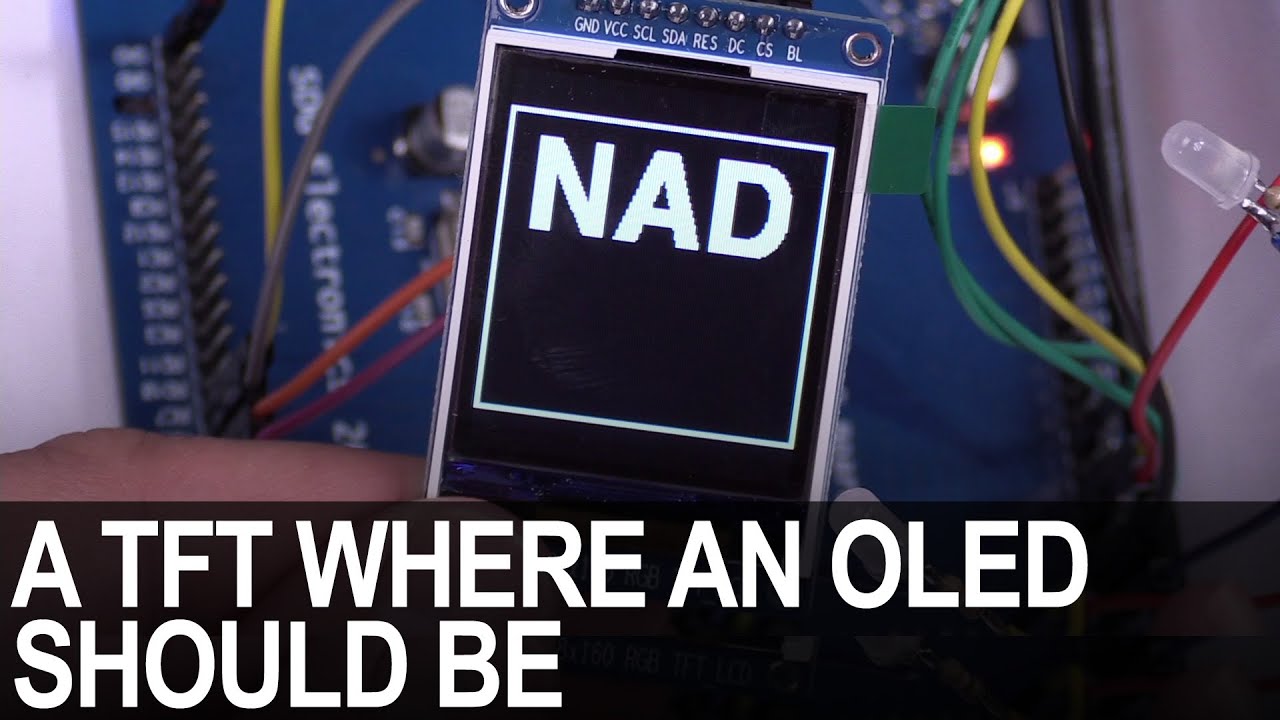
SDG #365 Reverse Engineering NAD D7050 OLED Replacement for IPS TFT
Decoding the NAD D7050's obsolete SSD1355 OLED protocol with a logic analyser, then driving an SSD1351 OLED and ST7735S IPS TFT as replacements.

SDG #360 Zero Crossing Detection and PCBWay 3D Prints
Testing PCBWay nylon PA12 and clear resin wall mounts for a Waveshare 4in ESP32-S3 touch dimmer, plus lower-power zero crossing detection options.