SDG #175 Cree XHP50.2 LED Microscope Ring Light is ☀️ BRIGHTER THAN THE SUN ☀️
Stock microscope ring lights are usually built from cheap 5mm or low power SMD LEDs, and while they are adequate for casual inspection, they fall short when fine detail on dark solder joints has to be seen or when enough light is needed to shoot video at a sensible shutter speed and aperture. This project takes the opposite approach: rather than many weak emitters, it uses Cree XHP50.2 high power LEDs, which are among the highest flux density single die packages available, arranged as a ring around the objective lens.
The engineering problems are thermal and electrical rather than optical. High power LEDs of this class put serious heat into a small footprint, so the PCB design, copper area and any aluminium backing become the real limit on how hard the parts can be driven. Current regulation matters as well, because these emitters have a low forward voltage spread and will readily destroy themselves on a naive constant voltage supply. Dimming behaviour, colour temperature choice and how evenly the light lands on the work surface all deserve attention from anyone copying the design.
The result is measured rather than claimed: output is checked with a lux meter and compared against a conventional ring light, which puts the brightness gain into numbers instead of adjectives. That measurement is the useful part for anyone deciding whether to build one. Very high illuminance also brings practical trade-offs, including glare from shiny pads and reflective solder, so the ability to reduce the output is essential. For anyone already comfortable with reflow assembly, this is a genuinely worthwhile upgrade to a soldering microscope setup, and the project files make it reproducible.
More Electronics Projects

SDG #374 Smart Home Lighting: Adding Wireless DMX to My ESP32 Controller
Adding wireless DMX to an ESP32-S3 touch dimmer using ESP-NOW, with a 16-channel receiver, pairing, smoothing and scope-verified DMX output.
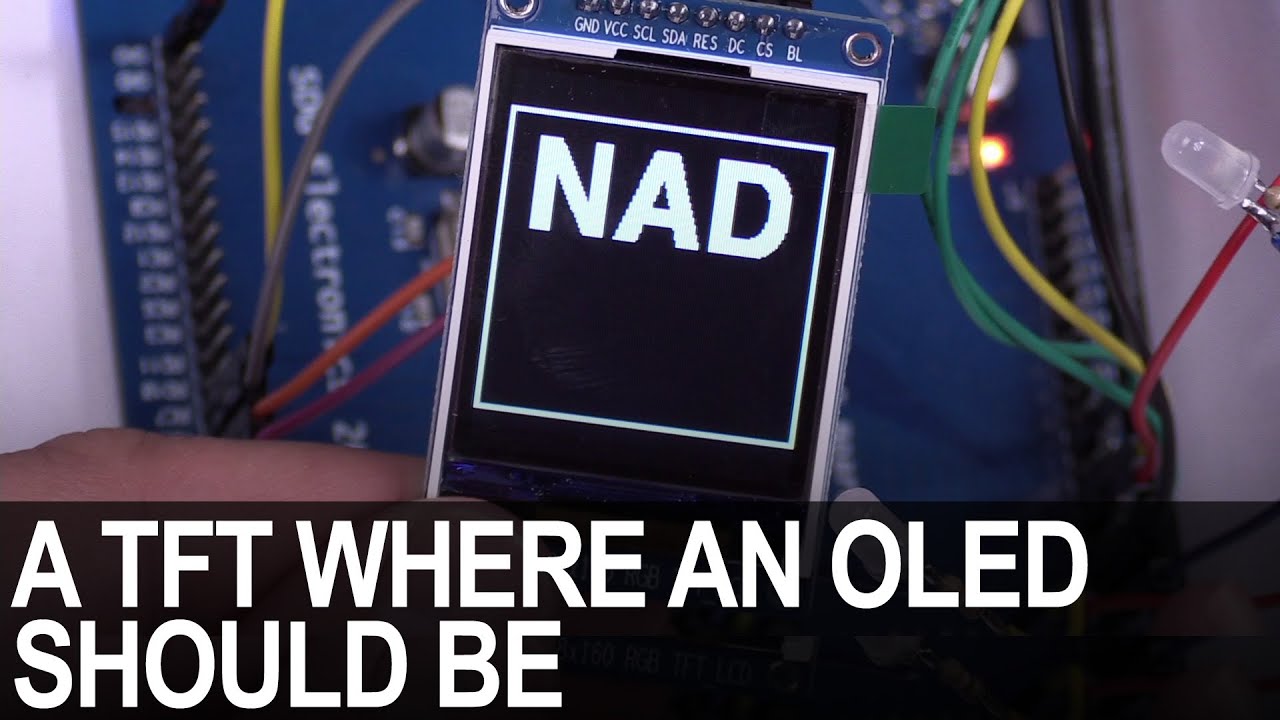
SDG #365 Reverse Engineering NAD D7050 OLED Replacement for IPS TFT
Decoding the NAD D7050's obsolete SSD1355 OLED protocol with a logic analyser, then driving an SSD1351 OLED and ST7735S IPS TFT as replacements.

SDG #360 Zero Crossing Detection and PCBWay 3D Prints
Testing PCBWay nylon PA12 and clear resin wall mounts for a Waveshare 4in ESP32-S3 touch dimmer, plus lower-power zero crossing detection options.