SDG #199 Aquarium Light Controller PCB and MQTT on the ESP32
This episode moves the aquarium lighting project from the breadboard to a custom PCB built around the ESP32, and it is as much a lesson in real world board bring-up as a build log. The board layout choices are explained first, including layer stackup, the power section feeding the LED channels and how the ESP32 module is positioned relative to the switching hardware to keep noise away from the sensitive analogue and control lines.
The schematic review is the most useful part for anyone attempting something similar, since it explains why each part is present rather than just showing the finished netlist. Assembly uses the paste and reflow techniques familiar from other builds on the channel, and the candid inclusion of bodge wires afterwards deserves attention: even a carefully checked design usually needs one or two corrections on the first revision, and seeing how those errors are diagnosed and patched is more instructive than a board that works first time.
On the firmware side, the controller is connected to an MQTT broker so that the lighting channels can be commanded over the network, which is the sensible route for anyone already running home automation rather than depending on a vendor cloud service. The first boot, mechanical integration into the light fixture, and a full functional test of the channels together show whether the design holds up under load rather than only on the bench. The closing section outlines what needs to change for a second revision, which is the realistic conclusion: treat revision 1 as a prototype and budget for a respin.
More Electronics Projects

SDG #374 Smart Home Lighting: Adding Wireless DMX to My ESP32 Controller
Adding wireless DMX to an ESP32-S3 touch dimmer using ESP-NOW, with a 16-channel receiver, pairing, smoothing and scope-verified DMX output.
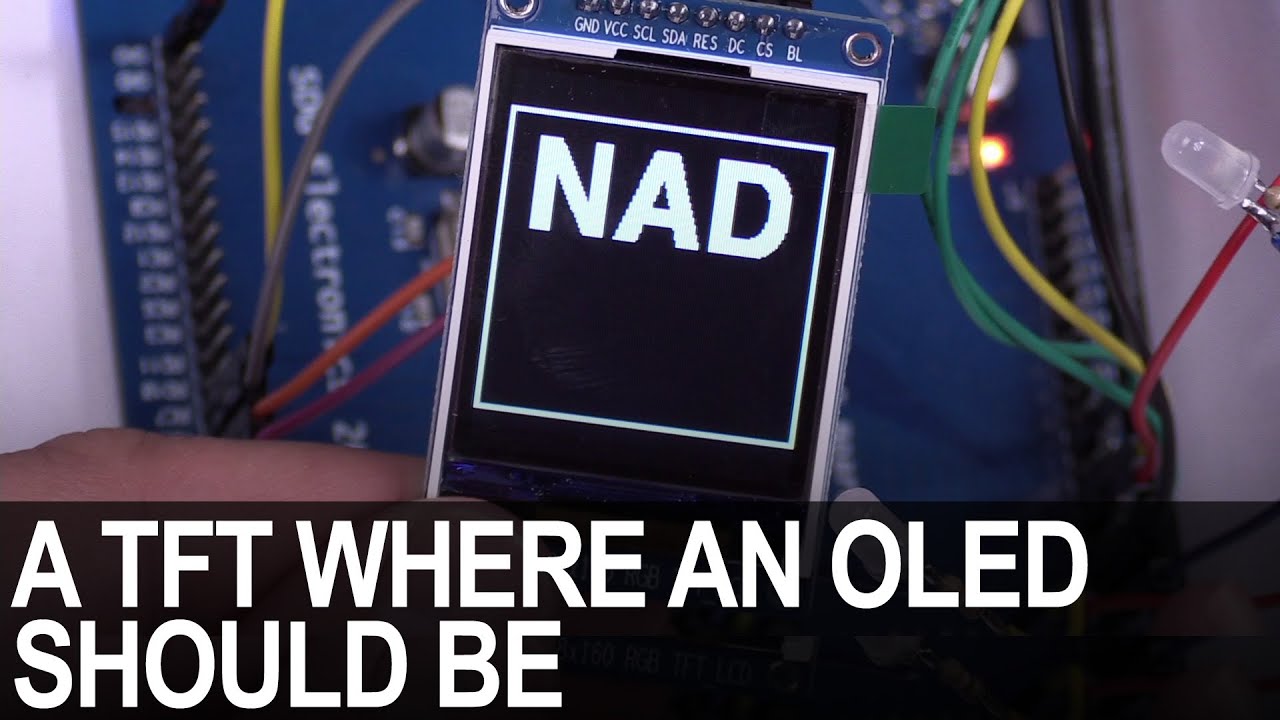
SDG #365 Reverse Engineering NAD D7050 OLED Replacement for IPS TFT
Decoding the NAD D7050's obsolete SSD1355 OLED protocol with a logic analyser, then driving an SSD1351 OLED and ST7735S IPS TFT as replacements.

SDG #360 Zero Crossing Detection and PCBWay 3D Prints
Testing PCBWay nylon PA12 and clear resin wall mounts for a Waveshare 4in ESP32-S3 touch dimmer, plus lower-power zero crossing detection options.