SDG #198 A $28 UVC LED and Quantadose Test Cards
Deep UVC emitters have moved from laboratory curiosities to parts that can be bought in small quantities, but the price gap between them remains enormous. This review examines a Luminus XBT-3535 series surface mount UVC LED costing around $28 for a single part and asks what that money actually buys compared with the sub-dollar UVC parts now listed by suppliers such as TONYU, Paralight and Tuozhan.
The datasheet figures are examined first, because they matter more here than with visible LEDs: radiant flux in milliwatts rather than lumens, the peak wavelength and how tightly it is binned, forward voltage in the 5 V to 7 V region, the viewing angle set by the quartz or fused silica window, and the very modest drive currents these dies tolerate before thermal derating applies. Anyone designing a sterilisation fixture needs to understand that a few milliwatts of 265 nm to 275 nm output is not much energy, so dose depends heavily on distance and exposure time.
Macro shots through the microscope show the die and window construction, which accounts for much of the cost. Verification follows: QuantaDose test cards use a photochromic indicator and a fluorescent checkerboard pattern that respond differently to genuine short wavelength UVC than to the UVA leakage many cheap “UV sterilizer” products actually emit. That makes them a practical check for hobbyists without access to a spectrometer.
The conclusion concerns trust and verification. A branded, properly binned emitter with a real datasheet is expensive, and the cards provide a low cost way to confirm that a purchased part is emitting germicidal wavelengths at all.
More Product Reviews

Festive Free Coupons and PCB Upgrades #electronicscreators #3dprinting #pcb
A quick look at December PCB fabrication offers: free pink, purple or matte black solder mask upgrades, half price 3D printing, and coupon codes.
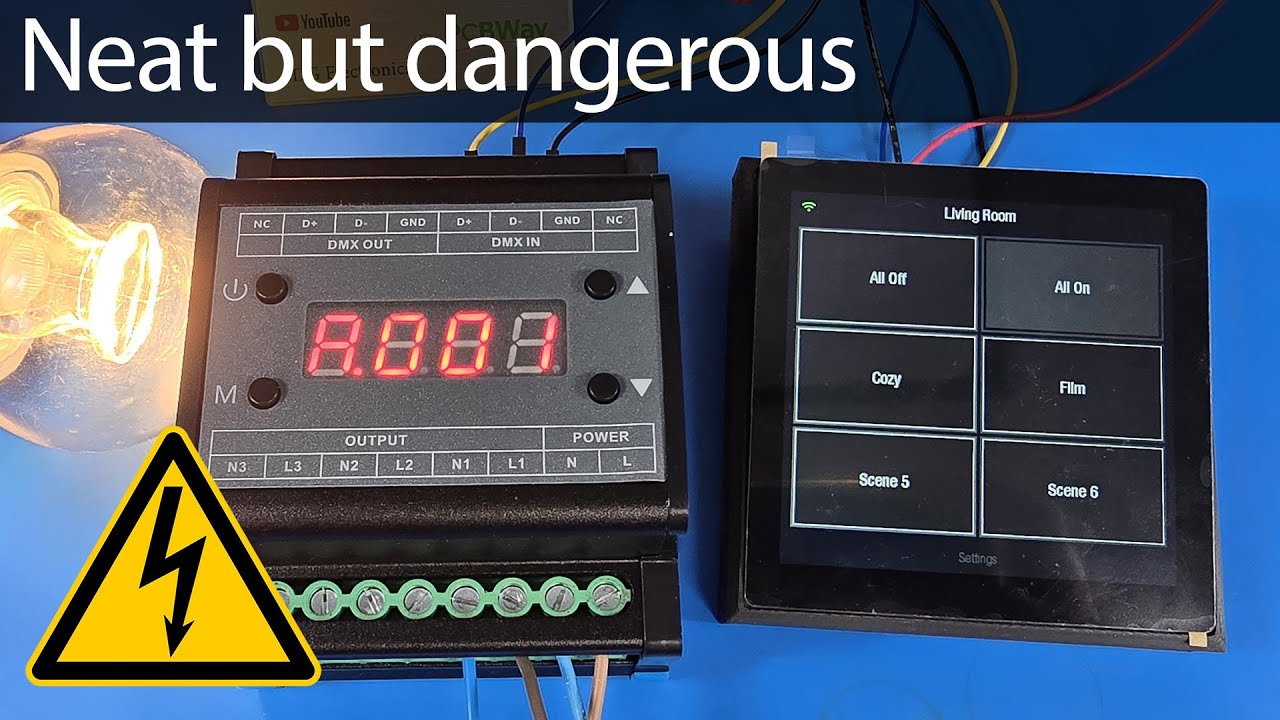
SDG #359 Dodgy AliExpress MOSFET-based multichannel AC Dimmer
Teardown and testing of a 3-channel DMX512 MOSFET AC trailing edge dimmer from AliExpress. Good circuit design, but the PCB isolation is a serious safety fail.
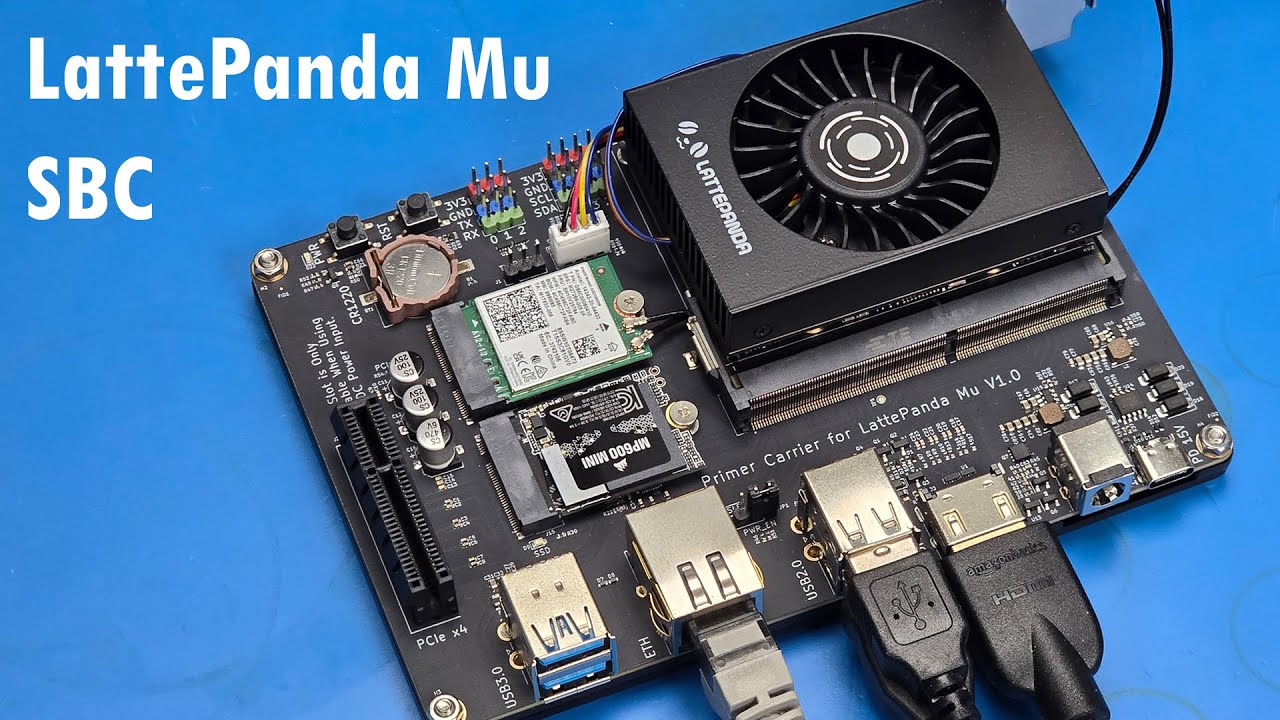
SDG #346 LattePanda Mu Small Board Computer
Hands-on with the LattePanda Mu compute module and carrier board: Intel N100, 8GB LPDDR5, PCIe x4, power draw tested and Raspberry Pi 5 compared.