SDG #193 An FTDI FT4232H adaptor for ESP32 programming and more! Neon - alicjamusial
The Neon board is an open source USB interface adaptor built around the FTDI FT4232H, a quad channel high speed USB bridge that can present four independent serial or MPSSE ports at once. That combination makes it far more flexible than the usual single channel CH340 or CP2102 dongles: one channel can drive UART for ESP32 flashing and console output, while others handle JTAG, SPI, I2C or GPIO duties. For anyone debugging microcontrollers, FPGAs or SPI flash, having several protocols available from a single USB cable removes a great deal of desk clutter and cable swapping.
This build works through the practical side of turning a published design into working hardware. The project repository and hardware files are reviewed first, along with the PCB fabrication choices and what the board revision contains, before moving to assembly. The FT4232H itself is the interesting part of the soldering job, being a fine pitch QFP that benefits from paste, flux and hot air rather than iron only work, and the video shows the technique used on the passives and connectors as well.
Testing covers whether the board enumerates correctly and whether the channels behave as expected once connected, which is the real test of an FTDI design given how sensitive these chips are to solder bridges on the data lines and crystal circuitry.
The conclusion for viewers is that for anyone who regularly programs ESP32 modules or needs low cost JTAG and multi-protocol access, a self built FT4232H adaptor is a genuinely useful bench tool, though it demands reasonable SMT skills and a genuine FTDI part to avoid driver problems.
More Electronics Projects

SDG #374 Smart Home Lighting: Adding Wireless DMX to My ESP32 Controller
Adding wireless DMX to an ESP32-S3 touch dimmer using ESP-NOW, with a 16-channel receiver, pairing, smoothing and scope-verified DMX output.
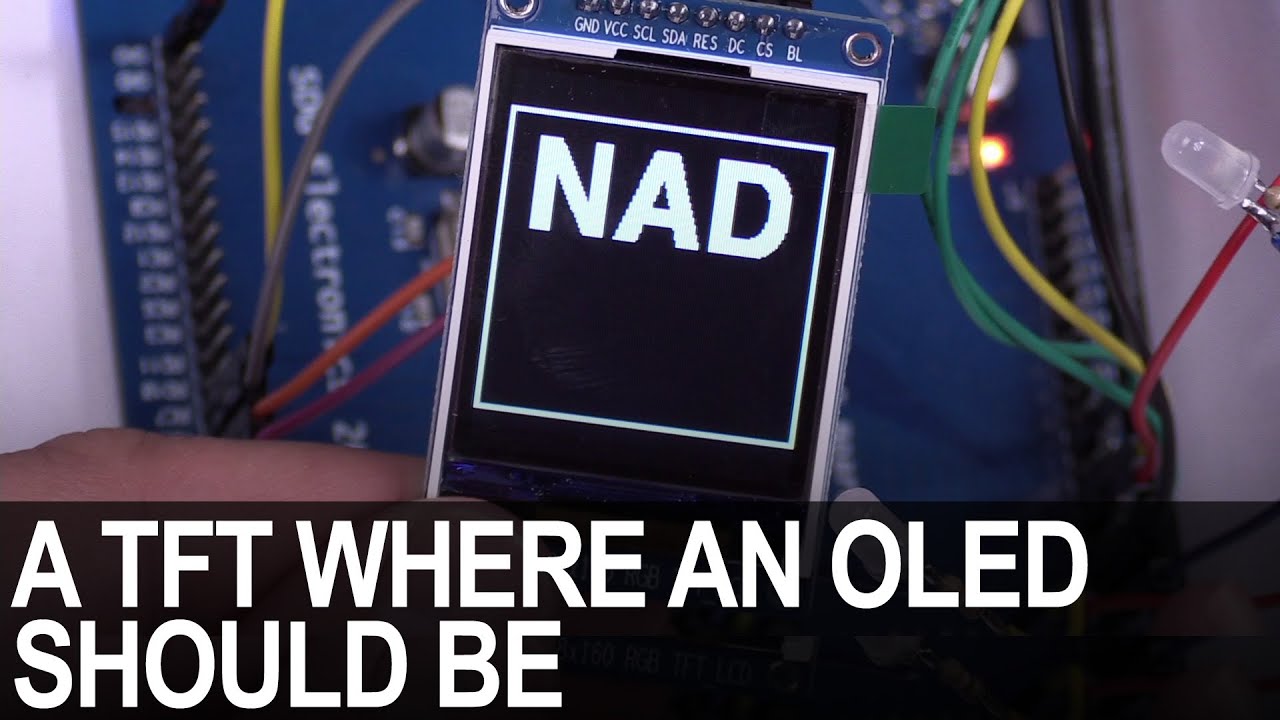
SDG #365 Reverse Engineering NAD D7050 OLED Replacement for IPS TFT
Decoding the NAD D7050's obsolete SSD1355 OLED protocol with a logic analyser, then driving an SSD1351 OLED and ST7735S IPS TFT as replacements.

SDG #360 Zero Crossing Detection and PCBWay 3D Prints
Testing PCBWay nylon PA12 and clear resin wall mounts for a Waveshare 4in ESP32-S3 touch dimmer, plus lower-power zero crossing detection options.