SDG #246 Testing and Analysis of a dimmable high power 60W Synchronous LED driver
High power constant current LED drivers are often bought on specification alone, and the figures printed on the case rarely reveal how the converter actually behaves. This episode puts a 60 W dimmable synchronous LED driver on the bench and works through both what it claims and what the circuit inside is doing.
The analysis covers the topology first: a synchronous buck stage, which replaces the usual catch diode with a second switching MOSFET to reduce conduction losses, is what allows a module this small to deliver 60 W without a large heatsink. From there the testing examines output current regulation across a range of input voltages and LED forward voltages, since a constant current driver is only useful if the setpoint holds steady as the load string warms up and its forward voltage drifts. Efficiency is measured rather than assumed, and the switching node waveforms are examined on the oscilloscope for ringing, dead time behaviour and inductor current ripple, all of which bear directly on EMI and long term reliability.
Dimming receives particular attention, because it is where cheap drivers most often disappoint. Linear range, low end behaviour, and whether the control input produces smooth output current changes or abrupt transients all matter if the driver is going into a light fitting rather than a test rig.
For anyone building high power LED lighting, grow lights or work lamps, the review identifies which parts of the design are genuinely well engineered, where corners have been cut, and how much thermal headroom to allow when running near the rated power continuously.
More Product Reviews

Festive Free Coupons and PCB Upgrades #electronicscreators #3dprinting #pcb
A quick look at December PCB fabrication offers: free pink, purple or matte black solder mask upgrades, half price 3D printing, and coupon codes.
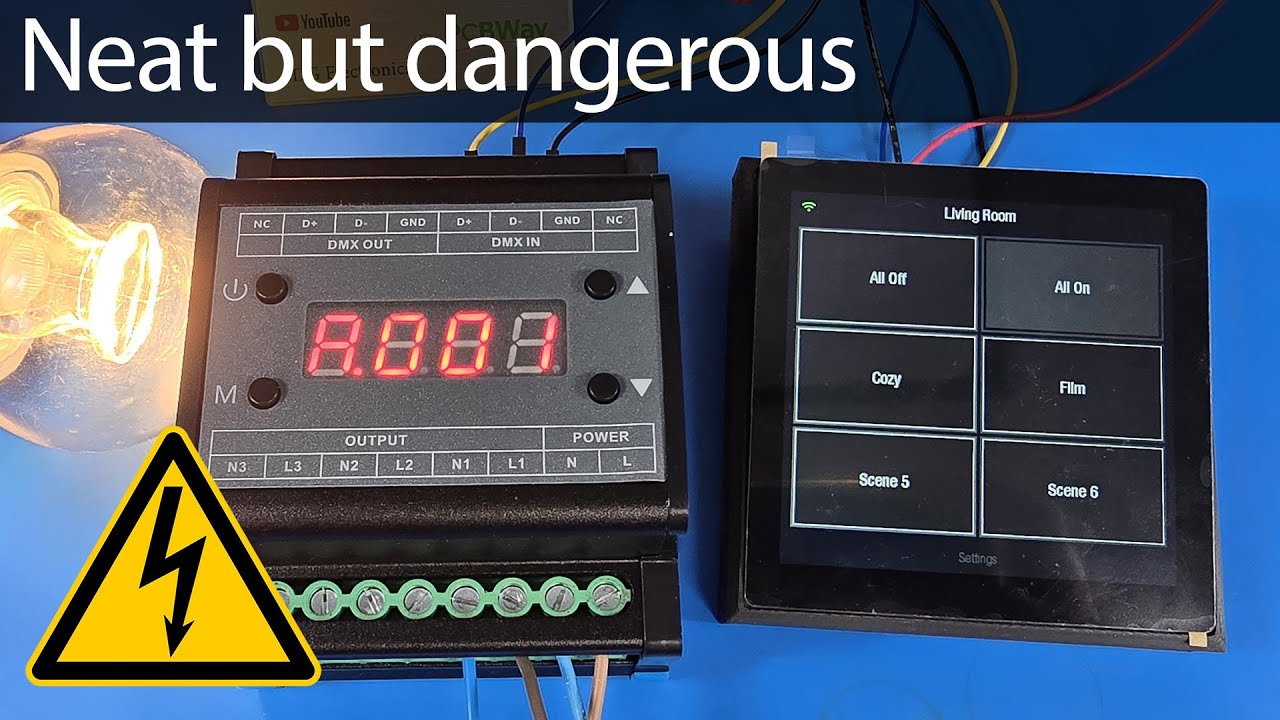
SDG #359 Dodgy AliExpress MOSFET-based multichannel AC Dimmer
Teardown and testing of a 3-channel DMX512 MOSFET AC trailing edge dimmer from AliExpress. Good circuit design, but the PCB isolation is a serious safety fail.
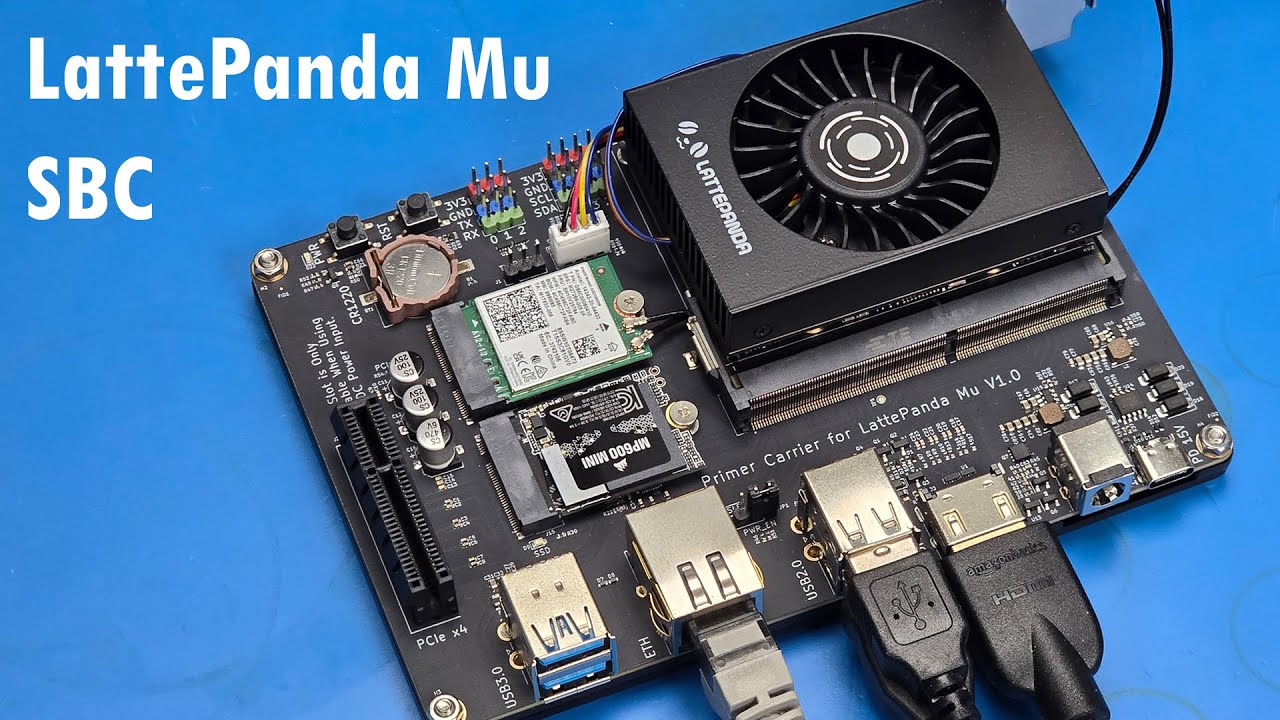
SDG #346 LattePanda Mu Small Board Computer
Hands-on with the LattePanda Mu compute module and carrier board: Intel N100, 8GB LPDDR5, PCIe x4, power draw tested and Raspberry Pi 5 compared.