SDG #247 Professional vs DIY 3D Printing
Anyone who owns a hobby FDM printer eventually reaches its limits, and this video is about finding where that line sits. The same or similar parts are produced through two very different routes: printed at home on desktop machines of the Ender 3 V2, Artillery Genius and Geeetech A20M class, and produced through a commercial rapid prototyping service using industrial 3D printing and CNC machining.
The comparison focuses on the things that matter when a part has to function rather than merely resemble the CAD model. Layer visibility and surface finish are the obvious differences, but the more useful observations concern dimensional accuracy, how well holes and threads come out, warping and shrinkage on larger flat areas, and whether snap fits and mating features hold up after assembly. Layer adhesion and part strength receive attention as well, since a home print’s anisotropy is often the reason a functional bracket or enclosure fails while an equivalent machined or SLS part survives.
For a viewer deciding where to spend money, the practical conclusion concerns workflow rather than appearance. Iterating a design on a desktop printer is cheap, fast and forgiving, and for most enclosures, jigs and one off fixtures it is entirely adequate. Once tolerances tighten, mechanical loads increase, cosmetic finish matters, or a part needs a material that a hobby machine cannot process reliably, outsourcing becomes the cheaper option overall once failed prints and post processing time are counted. The video also touches on how design choices need to change depending on which process will make the part.
More Product Reviews

Festive Free Coupons and PCB Upgrades #electronicscreators #3dprinting #pcb
A quick look at December PCB fabrication offers: free pink, purple or matte black solder mask upgrades, half price 3D printing, and coupon codes.
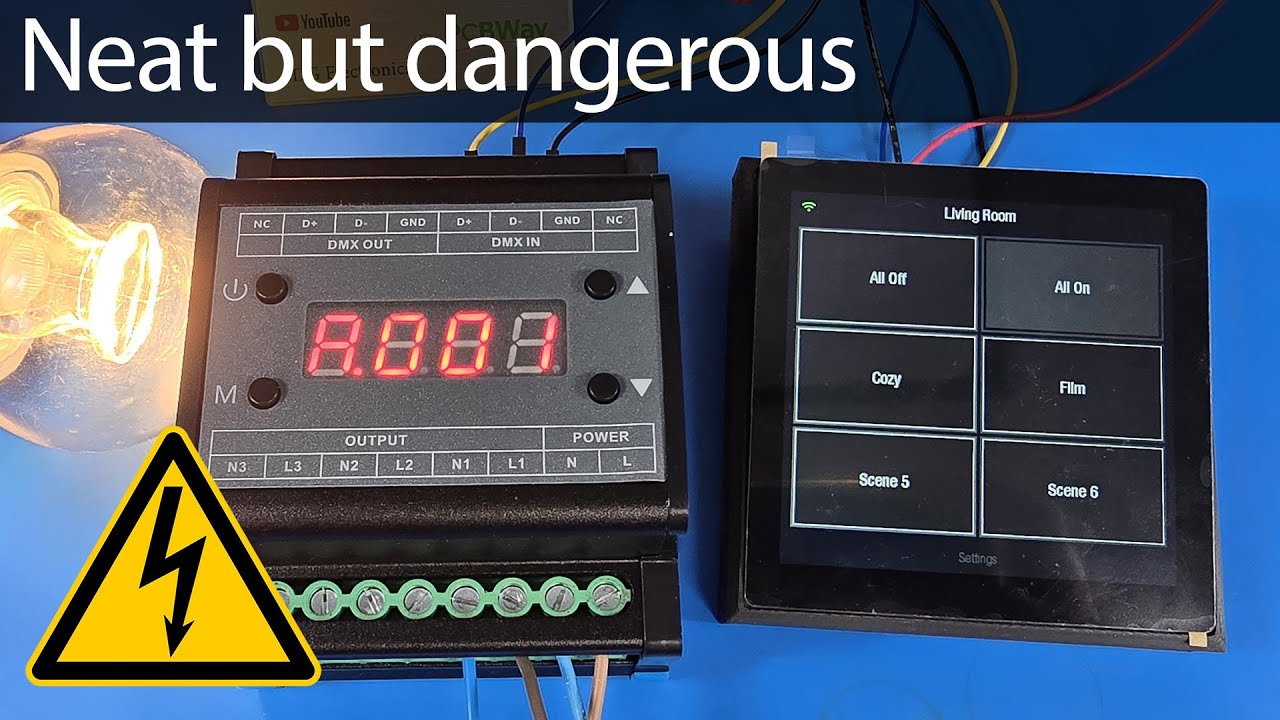
SDG #359 Dodgy AliExpress MOSFET-based multichannel AC Dimmer
Teardown and testing of a 3-channel DMX512 MOSFET AC trailing edge dimmer from AliExpress. Good circuit design, but the PCB isolation is a serious safety fail.
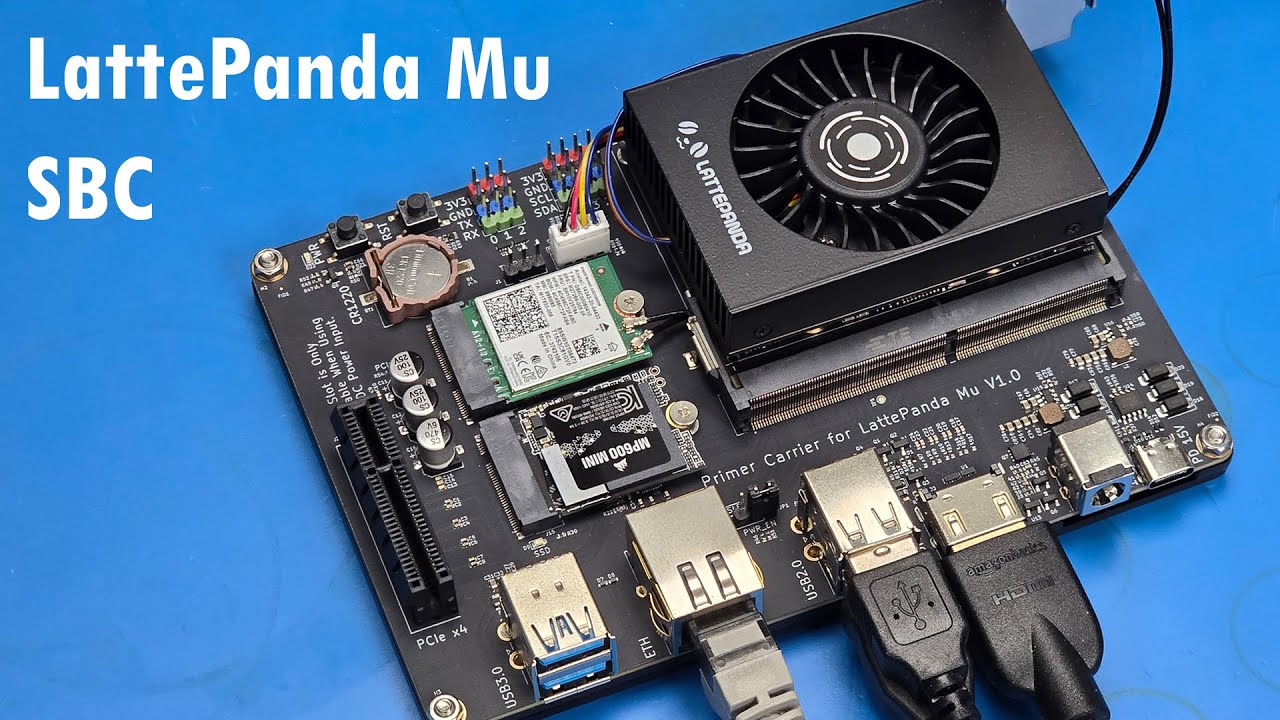
SDG #346 LattePanda Mu Small Board Computer
Hands-on with the LattePanda Mu compute module and carrier board: Intel N100, 8GB LPDDR5, PCIe x4, power draw tested and Raspberry Pi 5 compared.