SDG #162 Easily adding a Colour TFT to your electronics project
Adding a colour graphical display to a hobby or small commercial project usually means dealing with graphics libraries, frame buffers and a microcontroller with enough RAM and spare pins to drive a parallel panel. This video examines the alternative: an intelligent HMI TFT module that handles rendering itself and communicates with the host board over a simple serial link.
The practical appeal is the division of labour. The screen module carries its own controller, flash storage for images and fonts, and a PC based design tool in which pages, buttons, gauges and text fields are laid out visually. Once the project is uploaded to the panel, the host microcontroller only needs a UART and a handful of short commands to update a value or switch pages. That means an 8 bit AVR or a cheap STM32 can drive a full colour touchscreen interface that would otherwise be well beyond its resources, and the firmware stays readable rather than becoming a mass of drawing calls.
There are trade-offs to weigh before committing. The project is tied to the vendor’s editor and command protocol, the learning curve moves from C code to understanding how the design software addresses controls, and the module costs more than a bare SPI panel. Documentation quality for these HMI displays is also variable, so some experimentation should be expected. For panel meters, test equipment front ends, control boxes and any project where a polished interface matters more than absolute cost, the serial HMI approach removes most of the difficult work from the host firmware.
More Product Reviews

Festive Free Coupons and PCB Upgrades #electronicscreators #3dprinting #pcb
A quick look at December PCB fabrication offers: free pink, purple or matte black solder mask upgrades, half price 3D printing, and coupon codes.
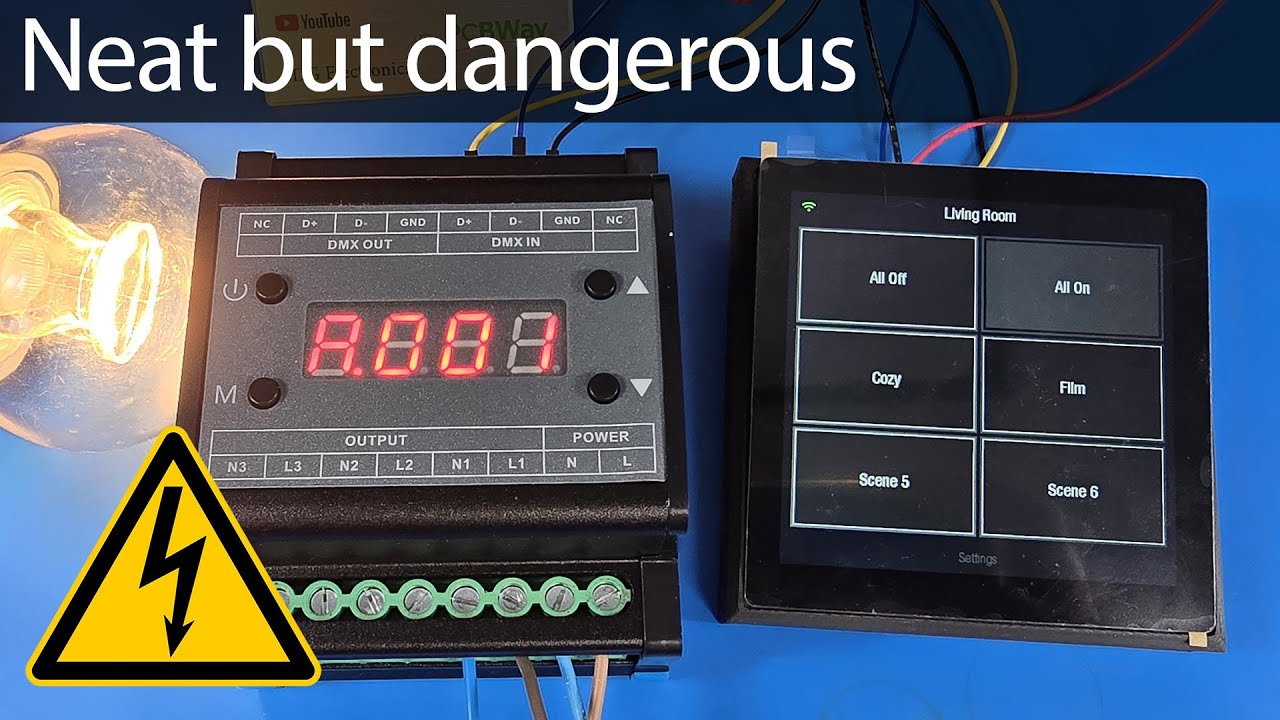
SDG #359 Dodgy AliExpress MOSFET-based multichannel AC Dimmer
Teardown and testing of a 3-channel DMX512 MOSFET AC trailing edge dimmer from AliExpress. Good circuit design, but the PCB isolation is a serious safety fail.
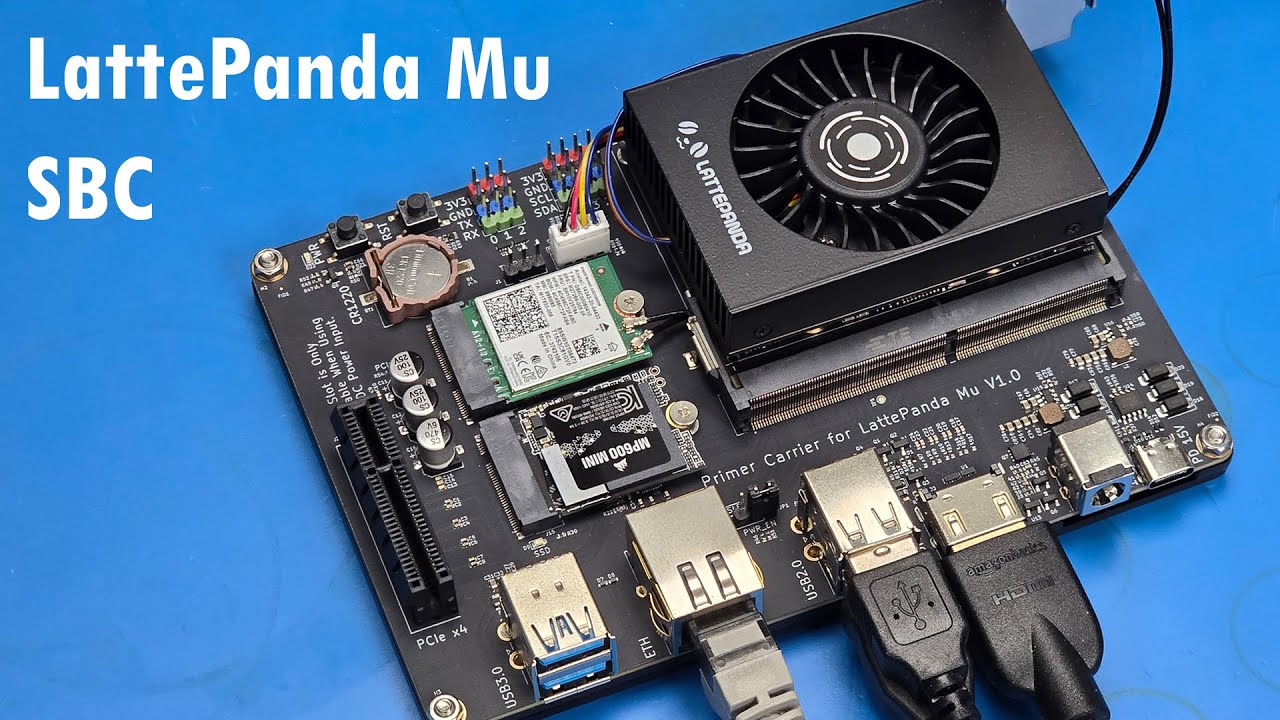
SDG #346 LattePanda Mu Small Board Computer
Hands-on with the LattePanda Mu compute module and carrier board: Intel N100, 8GB LPDDR5, PCIe x4, power draw tested and Raspberry Pi 5 compared.