SDG #045 Surge Protection Devices - BS7671 18th Edition
The 18th Edition of BS7671 moved surge protection devices from an obscure extra to something UK installers now have to consider on most consumer unit jobs, and that has created a wide gap between brand name parts sold through wholesalers and cheap imports sold online. This teardown puts two of them side by side: the BG CUSPDT21, a Type 2 DIN rail module intended for a domestic board, and the TOMZN TZG40-B, a much cheaper generic alternative bought from an online marketplace.
Both devices work the same way in principle. A metal oxide varistor clamps transient overvoltages, a thermal disconnect mechanism removes the varistor from circuit when it degrades or overheats, and a mechanical status flag changes colour so that the SPD can be inspected visually without instruments. The interesting question is how well each manufacturer executes that disconnect mechanism, because a varistor that fails without disconnecting cleanly is a fire risk rather than a safety device.
Opening the cases shows where the money goes: varistor size and construction, the quality of the spring loaded disconnect and solder joint, terminal and busbar substance, plastic housing quality, and how plausible the printed ratings look next to what is actually inside. Markings claiming particular In and Imax surge current ratings are only as trustworthy as the certification behind them, which is the practical concern with unbranded units on a notifiable installation.
For anyone specifying an SPD, the conclusion is that internal build and traceable certification matter more than headline kA figures on the label, and that a cheap module may be acceptable on a hobby project while being hard to justify on a domestic distribution board.
More Product Reviews

Festive Free Coupons and PCB Upgrades #electronicscreators #3dprinting #pcb
A quick look at December PCB fabrication offers: free pink, purple or matte black solder mask upgrades, half price 3D printing, and coupon codes.
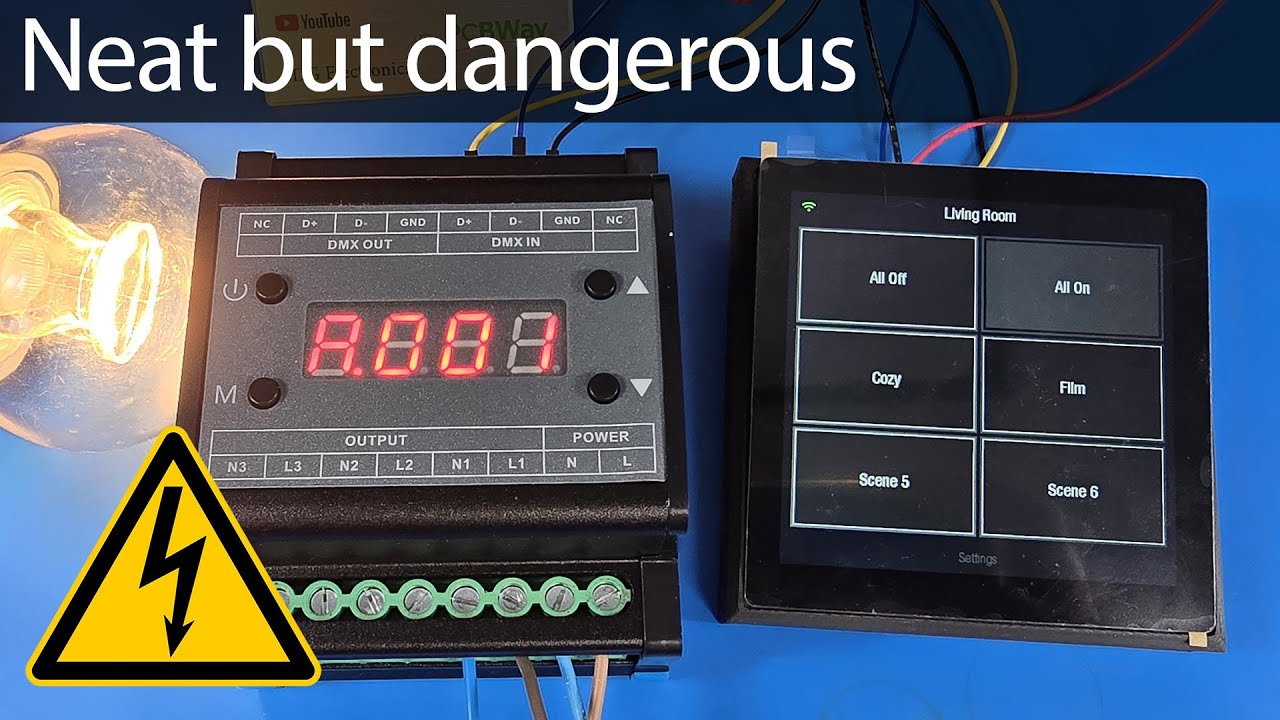
SDG #359 Dodgy AliExpress MOSFET-based multichannel AC Dimmer
Teardown and testing of a 3-channel DMX512 MOSFET AC trailing edge dimmer from AliExpress. Good circuit design, but the PCB isolation is a serious safety fail.
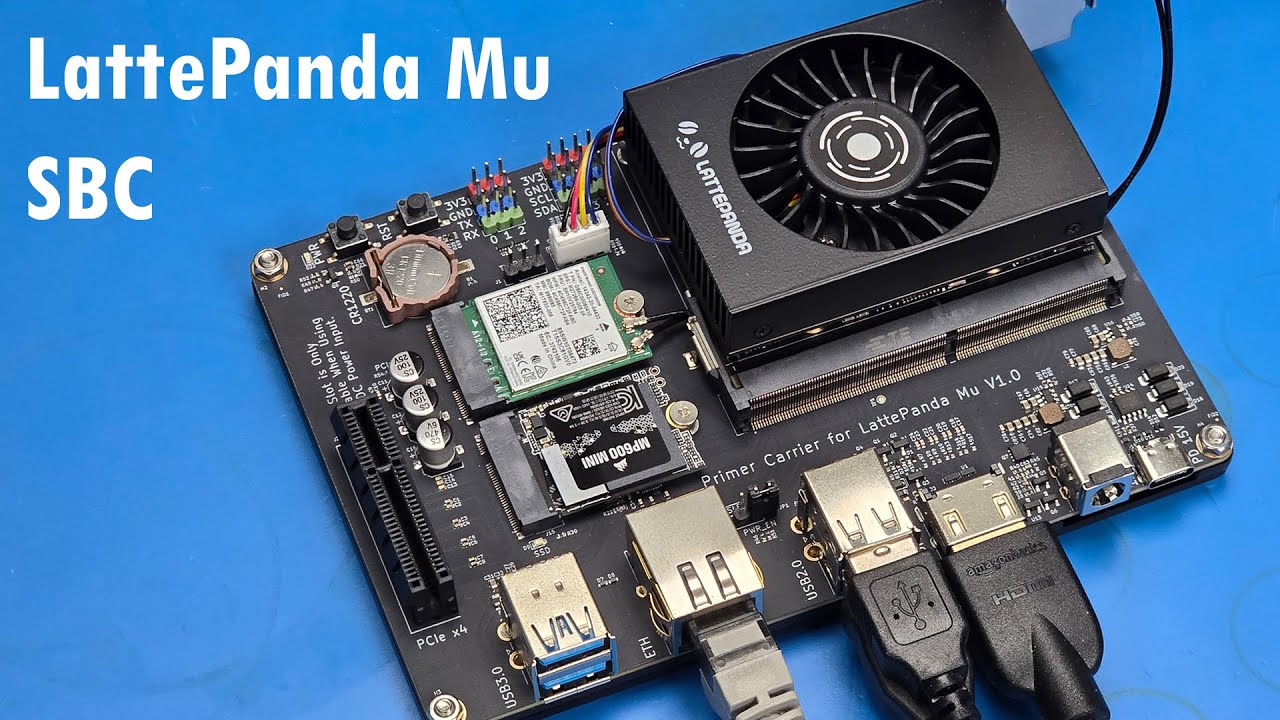
SDG #346 LattePanda Mu Small Board Computer
Hands-on with the LattePanda Mu compute module and carrier board: Intel N100, 8GB LPDDR5, PCIe x4, power draw tested and Raspberry Pi 5 compared.